
Content Menu
● What It Means To Make Your Own Bobblehead
● Understanding Bobblehead Structure And Balance
● StepByStep: DIY Clay Bobblehead At Home
>> Planning Your Bobblehead Concept
● Using Kits Or “Blank” Bobbleheads
● Designing Your Own Bobblehead Through Custom Services
>> How PhotoBased Custom Bobbleheads Work
● Creative Ideas For Your Own Bobblehead
>> Make A Bobblehead Of Yourself
>> Couple And Family Bobbleheads
>> Mascot And Team Bobbleheads
● Where To Display Your Own Bobblehead
● Common Mistakes When Making A Bobblehead
● FAQ
>> 1. Do I need artistic skills to make a Bobblehead?
>> 2. What materials are best for a DIY Bobblehead?
>> 3. How long does it take to make a Bobblehead by hand?
>> 4. Is it better to DIY or order from a custom Bobblehead service?
>> 5. How can I keep my Bobblehead in good condition?
Can I Make My Own Bobblehead? Yes, you can make your own Bobblehead, either completely by hand using clay, a spring, and some basic tools, or by “designing” your own Bobblehead through an online custom service that turns your photos into a nodding figurine. Both options let you create a personalized Bobblehead that reflects your face, style, and personality, turning a simple toy into a unique keepsake or gift.

Making your own Bobblehead can mean two different things:
- Fully DIY: You physically sculpt, assemble, and paint the Bobblehead at home.
- Custom design: You choose features and provide photos to a service that sculpts and manufactures the Bobblehead for you.
In both cases, the end result is a personalized Bobblehead that represents you, a friend, a partner, or even a mascot or character you've invented. You decide the pose, outfit, theme, and details that make the Bobblehead unique.
A classic Bobblehead uses a large, stylized head on a smaller body with a spring between them. When the base is tapped or the shelf moves, the head wobbles, giving the Bobblehead its funny, friendly motion. Understanding this basic structure is the first step in making your own.
To successfully create a Bobblehead, you need to think about structure and balance:
- The Bobblehead body and base must be stable enough not to tip over.
- The head should be relatively light but slightly oversized to create a fun look.
- The spring or connector must be strong enough to hold the head but flexible enough to move freely.
If the head is too heavy, the Bobblehead will lean or sag instead of nodding nicely. If the spring is too stiff, the head will barely move; if it's too weak, it might wobble too wildly or even break. The art of making a good Bobblehead lies in getting these elements to work together smoothly.
Before you touch any clay, decide what your Bobblehead will represent:
- Yourself as a Bobblehead
- A friend, family member, or partner Bobblehead
- A hobby or job Bobblehead (musician, gamer, engineer, athlete)
- A mascot or fictional Bobblehead character
Make a simple sketch from the front and side. Draw the head a little larger than normal and the body more compact. This sketch doesn't need to be perfect; it just guides you while sculpting.
For a basic DIY Bobblehead, you typically need:
- Airdry clay or polymer clay (for head and body)
- A small metal spring (or coiled wire)
- A base (wood disk, thick plastic, or sturdy cardboard)
- Sculpting tools (simple clay tools, toothpicks, or craft knives)
- Strong glue or epoxy for attaching the spring and base
- Acrylic paints and fine brushes for details
- Optional clear varnish or sealant
Airdry clay is convenient and doesn't require an oven, while polymer clay offers extra durability if properly baked. Choose whichever fits your workspace and experience level.
Start with the Bobblehead body and base:
1. Shape a solid torso with legs or a single pillar that flares slightly at the bottom for stability.
2. Attach the body firmly to your base so it stands upright on its own.
3. Add basic arms and clothing shapes (jacket, dress, shirt folds) without worrying about tiny details yet.
4. Flatten the top of the neck area so the spring can sit securely later.
Check that the body Bobblehead stands straight and doesn't wobble on the base. This stability is essential before you add a moving head.
Next, sculpt the Bobblehead head:
1. Roll a ball of clay slightly larger than a realistic head—exaggeration is part of the Bobblehead charm.
2. Rough in the nose, cheeks, and jawline first, then refine lips, nostrils, and chin.
3. Add ears and hair volume, paying attention to typical hairstyle and parting.
4. Create an opening or shallow socket at the bottom where the spring will attach.
Try to keep the head somewhat hollow or at least not extremely thick, so it stays light. A lighter head makes it easier for the Bobblehead to move properly on the spring.
Let the clay dry or bake it following the instructions:
- Airdry clay: allow enough time for full curing—often 24–48 hours, depending on size and humidity.
- Polymer clay: bake at the recommended temperature and duration, usually using a home oven.
After curing, lightly sand any rough spots. Ensure the neck platform on the body and the socket inside the head are smooth and firm for assembly.
Now you'll turn your sculpture into a real Bobblehead:
1. Glue one end of the spring to the center of the body's neck platform.
2. Glue the other end into the socket in the head.
3. Hold in place until the glue or epoxy sets, making sure the head hangs straight and has space to move.
Gently tap the base to test the Bobblehead motion. If the head hits the shoulders or leans too far forward, adjust the spring position or trim small areas of clay where necessary.
Once assembled and fully dry:
1. Paint the Bobblehead with base colors for skin, hair, and clothing.
2. Add details like eyes, eyebrows, lips, buttons, logos, and patterns.
3. Use thin brushes for fine lines and highlights around eyes and hair edges.
4. Seal the Bobblehead with a clear coat to protect the paint if desired.
Your fully DIY Bobblehead is now ready to display—complete with your own design choices from head to base.
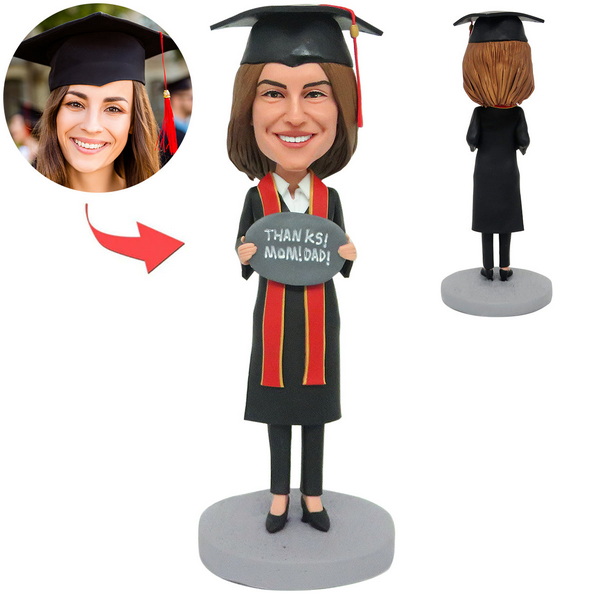
If sculpting from scratch feels too advanced, you can use blank Bobblehead forms or kits:
- Blank white Bobblehead bodies with large heads ready to be painted.
- Simple generic heads and bodies that you customize with paint and small added details.
With these, you don't handle structural design; instead, you focus on painting and minor reshaping. This lets you “make your own Bobblehead” visually without worrying about engineering the bobble mechanism.
You can paint the face to resemble yourself, add hair with sculpting material, and decorate clothing to match your style, job, or hobby. It's a good middle ground between full DIY and fully outsourced custom Bobblehead services.
Custom Bobblehead services allow you to “make your own Bobblehead” through design decisions instead of physical sculpting:
1. You choose a Bobblehead template (casual, suit, dress, sports, uniform, wedding, etc.).
2. You upload photos of your face from several angles.
3. You add notes about hair color, facial hair, glasses, skin tone, and preferred pose.
4. The company's artists sculpt and paint the Bobblehead following your instructions.
Some services send preview images of the unpainted head or 3D render so you can request adjustments before final production.
Typical customization choices include:
- Pose: standing, sitting, arms crossed, thumbsup, holding a prop.
- Clothing: everyday outfit, formal suit or dress, team jersey, uniform, or costume.
- Props: guitar, laptop, book, coffee cup, pet, sports equipment, tools.
- Base: simple or decorated, sometimes with text like your name, a date, or a short phrase.
By choosing these details, you effectively “design” your own Bobblehead, even if you don't sculpt it yourself. The finished figure still counts as your own Bobblehead because it reflects your choices and likeness.
Creating a Bobblehead of yourself is a fun way to celebrate milestones:
- Graduation Bobblehead with cap and gown.
- New job Bobblehead in your professional outfit.
- Hobby Bobblehead showing you as a gamer, musician, or artist.
Seeing yourself as a Bobblehead on your desk can be a daily reminder of achievements or goals.
You can also design:
- Couple Bobblehead sets with both partners on one base, each head nodding.
- Family Bobblehead groups where parents and children are stylized as nodding figures.
These custom Bobblehead sets make charming gifts for weddings, anniversaries, housewarmings, and family celebrations.
For clubs, offices, or sports teams, you can create a mascot Bobblehead:
- A cartoon version of the team logo as a Bobblehead.
- A simplified Bobblehead of a founder or leader.
- A group of matching Bobblehead figures representing different departments.
These Bobblehead designs support branding in a playful way and can be used as giveaways or awards.
Once your Bobblehead is finished—whether handmade or customproduced—you can place it in multiple spots:
- On your work desk as a conversation starter.
- On a bookshelf alongside framed photos and souvenirs.
- On a bedside table as a fun, personal decoration.
- In a hobby corner near your instruments, gaming setup, or creative tools.
- In a display cabinet if you plan to collect more Bobblehead figures over time.
Visible placement helps you enjoy the Bobblehead daily and share your creation with visitors.
When people first try to make a Bobblehead, they often:
- Make the head too heavy, causing poor motion or instability.
- Use glue that is too weak for the spring joint.
- Place the spring offcenter so the head leans permanently.
- Skip sanding or smoothing, making painting more difficult.
Avoiding these mistakes leads to a smoother, more satisfying Bobblehead result. Taking time at each step—sculpting, balancing, and assembling—pays off in better motion and appearance.
If you've ever wondered, “Can I make my own Bobblehead?”, the answer is definitely yes—and you have more options than you might think. You can sculpt and assemble a fully DIY Bobblehead from clay and a spring, customize a blank Bobblehead form, or design a personalized Bobblehead through a custom service using your photos and ideas. Each approach lets you control how the Bobblehead looks, moves, and tells your story.
By understanding basic Bobblehead structure, planning your design, and choosing materials or services that fit your skills and schedule, you can turn your imagination into a nodding figure that sits on a shelf or desk and quietly celebrates who you are. A selfmade Bobblehead is more than decoration—it's a small, wobbling reminder of your creativity and identity.
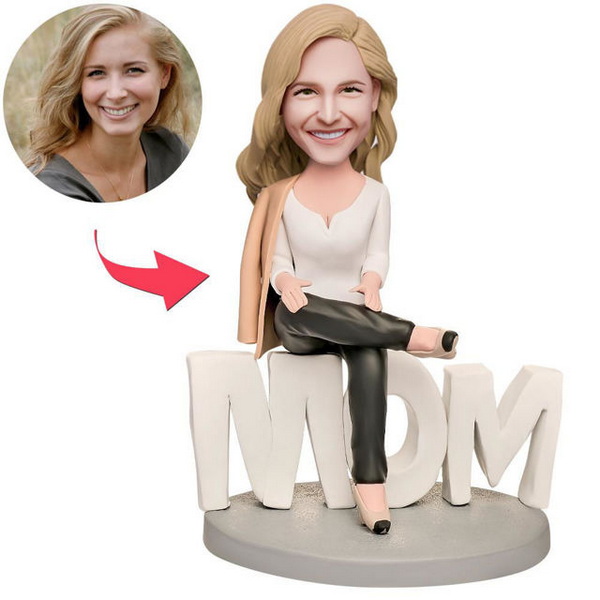
You don't need advanced artistic skills to make a simple DIY Bobblehead, especially if you use basic shapes and a cartoon style. However, sculpting realistic faces and fine details does require practice. If you're not confident in your sculpting, you can still “make your own Bobblehead” by customizing a kit or using a custom service where professionals handle the sculpting.
Airdry clay and polymer clay are both popular choices for DIY Bobblehead projects. Airdry clay hardens without baking, which is convenient for beginners, while polymer clay offers extra durability if baked properly. A sturdy metal spring, strong glue, and acrylic paints complete the basic material set you need.
Handmaking a Bobblehead can take anywhere from a few days to a couple of weeks, depending on your pace and the materials. You need time for planning, sculpting, drying or baking, assembling the spring, and painting. If you're working with airdry clay, drying alone may require a day or more before assembly and painting.
DIY Bobblehead projects are better if you enjoy crafting and want full control over the process, often at a lower material cost. Custom Bobblehead services are better if you want highly detailed, professional results without sculpting yourself. The choice depends on whether you prefer handson making or convenience and polish.
To keep your Bobblehead in good condition, display it on a stable surface away from direct sunlight and extreme heat. Dust it gently with a soft brush or cloth, and avoid pulling or twisting the head too hard so the spring stays secure. A clear sealant over the paint can help protect colors from fading or chipping over time.


