
Content Menu
● What Exactly Is a Bobblehead?
● Essential Tools and Materials for a Bobblehead
>> Materials
>> Tools
● Step-by-Step Guide to Building a Bobblehead
>> Step 1: Create a Design or Concept
>> Step 5: Baking or Drying the Clay
>> Step 6: Painting the Bobblehead
>> Step 7: Attach the Head to the Body
>> Step 8: Mount on a Base and Final Touches
● Optional: Making Molds for Replication
● Professional Manufacturing Process of Bobbleheads
● Creative Uses for Custom Bobbleheads
>> 4. Pop Culture Collectibles
● Maintenance and Storage Tips
● FAQ
>> 1. How long does it take to complete a custom Bobblehead?
>> 2. What materials are best for beginners?
>> 3. Can I make a Bobblehead using 3D printing?
>> 4. How do I ensure the head wobbles smoothly?
>> 5. Are Bobbleheads suitable for commercial production?
Creating a Bobblehead from scratch is one of the most enjoyable ways to combine art, craft, and creativity. Whether your goal is to craft a personalized gift, launch a custom figurine product line, or simply bring your imagination to life, making a Bobblehead teaches patience, craftsmanship, and design precision. In this comprehensive guide, we'll go step by step through designing, sculpting, painting, assembling, and finishing a Bobblehead, with professional tips on materials, techniques, and even mass-production options. By the end, you'll understand not only how to make one but also how to bring your idea to life like a professional artist.

A Bobblehead, also known as a “wobbler” or “nodder,” is a small figurine featuring an enlarged head connected to the body using a spring or flexible joint. The result is the iconic head movement, or “bobbling,” that gives the figure its charm.
Traditionally made from ceramic or paper-mâché, modern Bobbleheads are now created using durable materials such as resin, polymer clay, or high-grade plastic. They can represent almost anything — a sports star, a pet, a friend, or even a fictional superhero.
Before diving into the creative process, gather the following essential materials and tools. Using the right supplies ensures a smoother workflow and higher-quality result.
- Polymer clay or air-dry clay
- A small spring (preferably stainless steel or lightweight metal)
- Aluminum wire (for structural armature)
- Acrylic paints (matte and gloss finishes)
- Primer and varnish spray
- Epoxy glue or strong resin adhesive
- Wooden or acrylic base for mounting
- Sculpting knife and loop tools
- Fine paint brushes in multiple sizes
- Rolling pin or smooth stick for flattening clay
- Needle or pin tools for fine details
- Sandpaper or nail buffer for smoothing
- Safety gloves, mask, and apron
Organize your workspace before starting; dust-free, well-ventilated areas yield the best painting and detailing results.
Every successful Bobblehead project begins with a strong concept. Think of who or what you are building — a family member, pop culture figure, or pet. Sketch your Bobblehead's proportions and expression from different angles.
The head should be roughly 1.5 to 2 times larger than the body for the classic Bobblehead effect. Simplify body proportions like a caricature; exaggeration adds charm.
If you're creating a business or promotional figure, include brand-related details such as uniforms, colors, or logos.
The armature is the skeletal foundation of the Bobblehead, providing stability and structure. This wire frame keeps the figure balanced and prevents cracking during the sculpting process.
1. Cut aluminum wire to form the torso, legs, and arms.
2. Twist smaller wires to reinforce the backbone and neck area.
3. Leave an extended wire at the neck to attach the spring later.
4. Optionally, add foil padding to reduce clay usage and make the figure lighter.
The resulting structure should be firm yet flexible enough to allow adjustments as you sculpt.
The head is the defining feature of any Bobblehead, demanding extra attention and creativity. Start by forming a rough sphere using clay, slightly larger than what seems necessary — you will refine it later.
1. Model facial contours such as cheekbones, chin, and jawline.
2. Use loop tools to define eyes, nose, lips, and ears.
3. For hair or hat detailing, apply separate thin clay strips rather than carving them in.
4. To save weight, hollow out the center by carefully scooping clay, leaving about 0.5 cm wall thickness.
Allow the clay to partially dry before refining finer details like eyebrows or wrinkles.
Sculpt the Bobblehead's body separately using a simpler, cartoon-like design. Keep the body short and the limbs minimally detailed, as the focus remains on the expressive head.
- Add simple folds for clothing instead of real fabric replicas.
- Ensure feet are wide enough to create balance once mounted.
- Carve any brand logos or symbols if making a company mascot.
Once finished, attach the sculpted body to the wire armature. Position arms naturally to avoid fragile thin sections.
Proper curing ensures your Bobblehead lasts long and maintains detail.
For polymer clay, bake in an oven at 110–130°C for 30–45 minutes, depending on size.
For air-dry clay, allow it to dry naturally in a shaded, ventilated area for two days.
Avoid using high heat or sunlight, which can cause cracks. After drying, sand the surface lightly for a smooth finish.
Painting transforms your sculpt into a lifelike miniature. Acrylic paint is highly recommended for its vivid color and quick dry time.
1. Apply a thin layer of white primer — this improves paint adhesion.
2. Begin with the base color (skin tone, clothing, hair).
3. Add shading to give the figure depth and realism.
4. Use a fine brush for features like eyes, eyebrows, and thin outlines.
5. Finish with a layer of matte or glossy varnish for color protection.
Let each paint layer dry completely before adding the next. Mixing paint with a tiny drop of water can help achieve smooth blending.
Connecting the head is the most satisfying part — it brings your Bobblehead to life.
- Glue one end of the spring inside the head cavity using epoxy or strong resin adhesive.
- Glue the other end onto the neck stub of the torso.
- Hold both pieces upright until the adhesive sets.
Check the mobility of the head. It should wobble freely but not detach. If your spring feels stiff, shorten it slightly or use a lighter one.
Mount your assembled Bobblehead onto a small platform or decorated base. Bases made of wood, acrylic, or resin look professional and add stability.
Personalize your base with a label, engraving, or company logo — especially useful for promotional items. For added flair, you can incorporate themed props, such as a small plaque, ball, or accessory linked to your character.
After mounting, inspect your Bobblehead under good lighting. Retouch any paint smudges or glue marks. Once satisfied, your handmade Bobblehead is complete and ready for display!
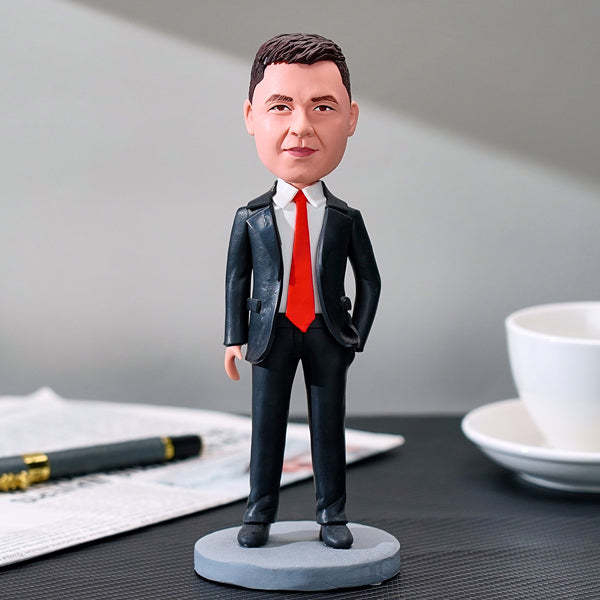
If your design will be produced in large quantities, create a mold to duplicate your Bobblehead efficiently.
1. Cover the prototype with silicone molding compound to capture every detail.
2. Once cured, carefully remove the prototype, forming a negative cavity.
3. Pour resin or polymer material into the mold to create identical copies.
4. Trim, sand, and paint each replica as desired.
This process is widely used in professional Bobblehead manufacturing — from promotional giveaways to collector-grade models.
Many commercial producers, particularly in China, specialize in high-volume Bobblehead production using state-of-the-art equipment. Here's an overview of how factories transform digital designs into finished figures:
1. 3D Modeling: Artists create digital 3D models based on photos.
2. 3D Printing Prototype: A physical master model is printed using SLA printers.
3. Mold Making: Silicone molds are produced for resin casting.
4. Casting and Cleaning: Resin is poured, cooled, and trimmed.
5. Hand Painting: Skilled artisans hand-paint each unit for precision.
6. Quality Control and Packaging: Finished units are inspected before shipping.
Partnering with professional Bobblehead factories ensures consistent quality and efficiency, suitable for global wholesalers or collectible retailers.
Custom Bobbleheads are more than decorative toys – they serve multiple personal and business purposes:
Make birthdays, anniversaries, or weddings unforgettable with a Bobblehead version of the honoree.
Companies use brand-themed Bobbleheads during product launches or business events to attract attention.
Fans cherish Bobblehead versions of their favorite athletes, often used as stadium giveaways.
Movie and game characters in Bobblehead form have become timeless collectibles.
Pet lovers create Bobbleheads of their cats or dogs — adorable companions that never age.
To ensure your Bobblehead lasts for years, follow these maintenance guidelines:
- Keep it away from direct sunlight and excessive humidity.
- Clean dust gently with a soft brush or microfiber cloth.
- Avoid bending the spring or tilting the head excessively.
- Display inside glass cases for protection against accidental damage.
Proper care preserves both paint color and mechanical flexibility.
When crafting Bobbleheads, always prioritize safety — especially when using adhesives, paints, and polymer materials. Work in a ventilated environment, wear gloves, and avoid direct skin contact with uncured resin or paint solvents. Keep materials out of children's reach since small parts or sharp tools can be hazardous.
Making a Bobblehead is a journey of creativity, patience, and craftsmanship. From designing and sculpting to painting and assembling, each stage teaches the importance of precision and imagination.
The joy of seeing your creation's head bob gently for the first time is truly rewarding. Whether you're working on a one-of-a-kind gift, designing a collectible series, or partnering with a professional manufacturer, the process connects art with engineering in a delightful way.
With consistent practice and attention to detail, you can transform simple clay and wire into expressive, animated miniatures that entertain and inspire. Start your creative project today — because a custom Bobblehead always brings a smile to anyone who sees it.
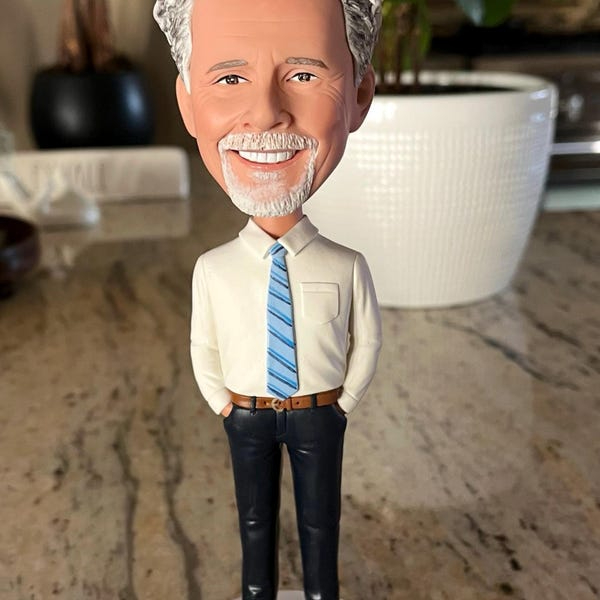
A handmade Bobblehead typically takes three to five days to complete, including drying and painting. Beginners may need up to a week for complex designs.
Air-dry clay is easiest for beginners. It doesn't require baking and can be smoothed easily before painting.
Yes. 3D printing allows precise modeling and easier replication. After printing, parts are painted and assembled like hand-sculpted ones.
The key is using a light spring and maintaining even head weight. Check that the head doesn't touch the shoulders and that the spring isn't too tight.
Absolutely. Many companies use Bobbleheads as marketing collectibles or limited-edition promos. Working with experienced manufacturers ensures quality and consistency.


