
Views: 222 Author: Mia Publish Time: 2026-01-05 Origin: Site
Content Menu
● Why Age Matters in MLB Bobblehead Collecting
● The Evolution of MLB Bobbleheads
>> The 1970s – Transition to Plastic
>> The 2000s–Present – Precision and Popularity
● How to Tell the Age of an MLB Bobblehead
>> Step 1: Identify the Material
>> Step 2: Inspect Markings and Labels
>> Step 3: Analyze the Design and Craftsmanship
>> Step 4: Check the Packaging
>> Step 5: Cross-Reference with Event History
>> Step 6: Observe Signs of Wear and Material Aging
>> Step 7: Consult Collectors and Databases
● Assessing Market Value Based on Age
● Preserving and Displaying Your Bobblehead Collection
● Common Mistakes Collectors Make
● The Role of Technology in Modern Bobblehead Dating
● FAQ
>> 1. How can I spot a fake vintage MLB Bobblehead?
>> 2. What material indicates an older Bobblehead?
>> 3. Are all stadium giveaway Bobbleheads valuable?
>> 4. Can I restore a damaged vintage Bobblehead?
>> 5. How should I store vintage Bobbleheads safely?
Collecting MLB Bobbleheads is one of the most beloved traditions among baseball fans. From limited-edition stadium giveaways to rare vintage releases, each Bobblehead captures a moment in baseball history — a player, a championship, or a celebration. For some, it's a nostalgic hobby; for others, it's a serious investment.
But one question often puzzles both casual fans and expert collectors: How can you tell the age of an MLB Bobblehead? Dating a Bobblehead requires a keen eye for detail, knowledge of materials, and an understanding of manufacturing history. As the designs, technologies, and production methods have evolved over the decades, each era has left its own distinct fingerprint.
This article provides a complete guide to identifying the age of your MLB Bobblehead, including historical context, practical steps, and expert insights into how collectors authenticate and value their pieces.

An MLB Bobblehead is a figurine designed to represent a baseball player, team mascot, or other personalities connected to Major League Baseball. Its characteristic feature is an oversized head that bobbles or nods on a spring mechanism. These collectibles have been distributed for decades as stadium giveaways, promotional merchandise, and commemorative keepsakes.
The earliest MLB Bobbleheads emerged in the early 1960s, modeled after beloved players and simple team mascots. Back then, figurines were made from papier-mâché or ceramic — elegant, but fragile. Over time, materials shifted to plastic and resin, allowing manufacturers to create detailed, durable, and lifelike designs.
Today, MLB Bobbleheads represent more than souvenirs; they are cultural icons celebrating America's pastime. Fans display them as artwork, collectors trade them as investments, and teams use them to connect generations of supporters.
Understanding the age of a Bobblehead is crucial for several reasons. Vintage pieces often indicate higher rarity and value, while modern versions may represent specific promotional events.
Knowing when a Bobblehead was produced can help you:
- Verify authenticity: Many replicas flood the market; age indicators can expose counterfeits.
- Estimate market value: Early editions tend to appreciate over time, especially from the 1960s–1970s.
- Understand manufacturing trends: Identifying an era reveals technological and artistic evolution.
- Preserve accuracy in collections: Organizing by decade enhances a collector's historical archive.
Whether you're preserving heritage or confirming a rare find, identifying a Bobblehead's age is essential.
The first wave of MLB Bobbleheads debuted during the 1960 World Series. Made primarily from papier-mâché in Japan, these early versions were hand-painted and fragile. They usually featured generic faces and team uniforms, as the focus was on promotion rather than individuality. If your Bobblehead is made from lightweight ceramic or papier-mâché, it likely belongs to this era.
By the mid-1970s, manufacturers began switching to plastic materials. While more durable, these figures maintained relatively simple designs, often distinguished by glossy paint and thicker neck springs. Many had “Made in Hong Kong” or “Made in Taiwan” embossed on the base — clear signs of production dates from this transitional decade.
During the 1980s, Bobblehead production slowed significantly. Teams focused more on cards and posters than on figurines. Any Bobblehead from this period is considered rare, often recognizable by its limited run and basic paint style.
The 1990s saw a major Bobblehead revival. Sports merchandising surged, and collectors began demanding player-specific figurines with resin modeling technology. The 1999 Willie Mays Bobblehead, released by the San Francisco Giants, is credited with reigniting the craze — its promotion inspired nearly every MLB team to follow suit.
The 21st century has become a golden age for MLB Bobbleheads. Teams now design hyper-detailed resin figures using 3D modeling, complete with facial likenesses, uniforms, and even miniature trophies. Stadium Giveaway (SGA) editions dominate the market, often commemorating anniversaries or player milestones.
Modern Bobbleheads are sturdy, collectible, and produced in mass quantities — but limited editions can still become extremely valuable when tied to iconic players or historical events.

Dating a Bobblehead requires observation and comparison. Below are practical methods used by professional appraisers and long-time collectors.
The material composition often reveals the manufacturing era:
- Papier-mâché: 1960s. Light, delicate, and cracks easily.
- Plastic: Late 1970s to 1980s. Notice smooth surfaces and thick joints.
- Resin/Polyresin: 1990s to present. Heavier, finely sculpted, realistic details.
Weight and texture are good indicators — vintage Bobbleheads feel lighter and more brittle, while modern ones are solid and well-balanced.
Most genuine MLB Bobbleheads include markings under the base or on the neck joint. Check for:
- “Made in Japan” or “Made in Hong Kong” – usually 1960s–1970s.
- “MLB Official Licensed Product” hologram – post-1990s authenticity seal.
- Manufacturer labels such as Forever Collectibles (FOCO), Bobble Dobbles, or Stadium Promotions – 2000s onward.
Such details narrow production windows significantly. For example, the presence of MLBPA (Players Association) branding means it's post-1995, when licensing became standardized.
Every Bobblehead tells its age through design language:
- Vintage: Cartoonish round faces, static stances, hand-painted eyes.
- Modern: Realistic facial modeling, varied postures, 3D textures, and painted shadows.
- Team Logos: Early editions show decal stickers; modern ones feature embossed or printed logos.
Pay special attention to the base: circular or square bases with plain logos point to older eras, whereas sculpted bases or event-branded plaques suggest recent releases.
Packaging offers valuable dating evidence. Early Bobbleheads came in thin cardboard boxes or tissue wrapping. In contrast, newer figures come in printed boxes displaying full-color graphics, player stats, and holographic tags.
A box with outdated team branding or discontinued sponsors can also hint at an earlier release.
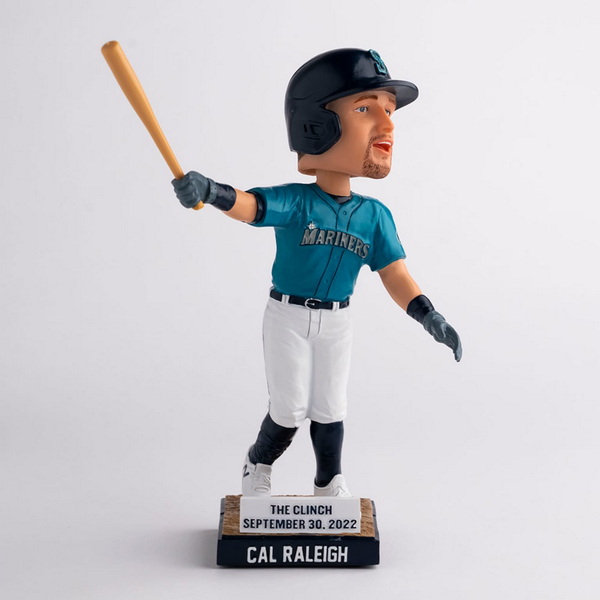
Many MLB Bobbleheads commemorate specific events, seasons, or player records. Check team schedules or promotional calendars online — for example, the Dodgers and Yankees maintain archives listing every Bobblehead giveaway with corresponding dates and player names.
If your Bobblehead features a celebration pose or championship logo, verifying the event can help pinpoint the release year precisely.
Over time, materials degrade and finishes fade. Subtle wear indicators include:
- Color fading: Older paint oxidizes under light exposure.
- Rust on springs: Indicates decades of storage or humidity.
- Cracking or yellowing: Common in papier-mâché figures from the 1960s and 1970s.
Modern resin designs typically resist decay, making visible wear a good sign of age for collectors.
If identification remains uncertain, online databases and collector groups are invaluable. Forums such as PSA Collectors Universe or Bobblehead Hall of Fame archives list release years, materials, and edition sizes. Upload photos of your figure to get professional input.
Collectors often recognize subtle mold patterns or base details that indicate production periods overlooked by casual observers.
The value of a Bobblehead often increases with age, rarity, and condition. A mint-condition 1960s papier-mâché Bobblehead can sell for over $500, while limited-edition SGA releases featuring legends like Derek Jeter or Barry Bonds have auctioned for several hundred dollars.
Condition remains the most significant factor — figurines with original packaging, intact springs, and unchipped paint command premium prices. Signed versions or first-edition releases from notable games enhance collectibility further.
In general:
- 1960s–1970s: High collector value.
- 1980s–1990s: Growing interest with nostalgia appeal.
- 2000s–present: Affordable, but some exclusive editions gain rapid appreciation.
Once you've determined your Bobblehead's age, proper maintenance ensures longevity and value retention.
- Store away from direct sunlight to prevent UV fading.
- Keep humidity between 40–60% to avoid spring corrosion.
- Display in glass or acrylic cases to protect from dust and accidental impact.
- Use a soft brush or dry microfiber cloth.
- Avoid harsh chemicals or alcohol-based cleaners.
- For sticky residues, use mild soap on a cotton swab, then dry thoroughly.
Maintain records with information like release date, team, player name, and production type. Photos and receipts document authenticity for insurance and resale purposes.
Even passionate collectors can misjudge their figurines' ages. Avoid these common errors:
- Assuming weight equals vintage: Some reproductions intentionally mimic old designs using lightweight resin.
- Overlooking base details: Reissue models may share the same pose but include different base stamps.
- Forgetting packaging importance: Original boxes often contain date codes and manufacturer IDs.
- Believing myths: Not every cracked or faded Bobblehead is “old.” Sometimes damage results from storage, not age.
Thorough research and patient observation distinguish experts from amateurs in this hobby.
Advancements in digital scanning and historical archiving have made Bobblehead dating far easier. Collectors now use smartphone apps that recognize models by uploading an image, automatically matching visual attributes to known releases.
Teams and manufacturers also use serial numbers, QR codes, and NFC chips to track authenticity. These identifiers can be verified online, eliminating doubts about production year or counterfeit risk.
As digital tools expand, determining the age of an MLB Bobblehead continues to evolve, preserving both transparency and collector trust.
Identifying the age of an MLB Bobblehead goes far beyond curiosity — it's a deep dive into baseball history, design evolution, and collector culture. Each era of these nodding figurines reflects its time's artistic style and industry technology, from the fragile papier-mâché mascots of the 1960s to today's hyper-detailed resin showpieces.
By studying materials, markings, packaging, and wear patterns, you can confidently determine your collectible's age and significance. Whether you're appraising a rare find or organizing your collection, every clue — from a base logo to a faded paint hue — is a piece of its story.
A Bobblehead isn't just a toy; it's a silent witness to decades of baseball heritage, connecting fans across generations through craft, character, and motion. With thoughtful care and research, your MLB Bobblehead will remain a treasured piece of sports history for years to come.
Look for authentic logos, manufacturer stamps, and consistent paintwork. Counterfeits often use cheap materials, have uneven surfaces, or lack original packaging.
Papier-mâché and ceramic generally point to the 1960s, while plastic suggests the 1970s–1980s and resin or polyresin points to post-1990s editions.
No. While some SGA editions appreciate quickly, most gain value when tied to iconic players, record-breaking events, or limited prints.
Minor repairs like paint touch-ups are possible, but professional restoration is recommended for valuable older pieces to retain authenticity.
Keep them in a dry, temperature-stable environment, preferably in original packaging or enclosed cases to prevent dust and UV degradation.


