
Content Menu
● Factors That Affect Bobblehead Manufacturing Cost
>> Design Complexity And Sculpting
>> Quantity And Minimum Order Requirements
● The Complete Bobblehead Manufacturing Process
>> Step 1: Concept And 3D Design
>> Step 2: Sculpting And Prototype Approval
>> Step 4: Casting And Assembly
>> Step 5: Hand-Painting And Polishing
>> Step 6: Quality Control And Packaging
● How Location Affects Bobblehead Costs
● Extra Features That Influence Price
● Lead Time & Shipping Considerations
>> Scenario 1: Custom Personal Bobblehead
>> Scenario 2: Small Business Promotional Order
>> Scenario 3: Corporate Mascot Mass Production
● How To Save Money Without Losing Quality
● Marketing Applications Of Bobbleheads
● Environmental Considerations In Bobblehead Production
● Trends Shaping The Bobblehead Industry
● FAQ
>> 1. How long does it take to make a bobblehead?
>> 2. What is the best material for durability?
>> 3. Can I order just one personalized bobblehead?
>> 4. Are there hidden costs in production?
>> 5. How do I find a reliable supplier?
Custom bobbleheads have become a fun and creative way to express personality, promote brands, and celebrate special occasions. Whether for birthdays, sports teams, marketing campaigns, or collector editions, these little nodding figures bring joy and entertainment while serving as memorable keepsakes.
But before starting your own bobblehead project, the first question most people ask is: how much does it cost to make a bobblehead? The answer isn't simple—pricing varies widely depending on material, design, order size, and customization level.

A bobblehead is a small figurine with an oversized head that moves or “bobbles” when touched. The head is typically connected to the body by a spring or hinge mechanism that allows it to bounce whimsically.
Originally developed as novelty toys in the early 20th century, bobbleheads gained global popularity in sports promotions and pop culture collectibles. Today, they are customizable gifts, corporate giveaways, and even artistic sculptures celebrating famous figures, cartoon characters, or real people.
Bobbleheads have stayed relevant for decades because they combine humor, craftsmanship, and emotional connection. Their appeal includes:
- Personalization: You can turn anyone into a mini figurine version of themselves.
- Memorability: Ideal for awards, celebrations, or souvenirs.
- Collectibility: Bobbleheads often come as limited editions with increasing value.
- Marketing potential: Companies use bobbleheads for branding and promotional merchandising.
A personalized bobblehead can tell a story, reflect a profession, commemorate an event, or simply amuse people with a nodding head that never stops smiling.
Many elements influence the cost to make a bobblehead. Understanding each factor helps you better plan and manage expenditures.
The choice of material directly affects durability, appearance, and price:
- Polyresin: Offers a premium, detailed finish and feels solid. Ideal for high-end or collectible pieces.
- PVC (Plastic): More affordable and flexible for mass production, especially suitable for giveaways or large sets.
- Ceramic or Porcelain: Elegant finish for luxury keepsakes, but heavier and fragile.
- 3D Printed Resin: Perfect for short runs or fully custom creations with advanced digital sculpting.
Manufacturers often suggest polyresin for mid-to-high quality bobbleheads due to its balance between cost and detail precision.
The design process is one of the most important cost factors. Each bobblehead begins with sculpting, either by hand or digitally:
- Basic face template (using pre-determined mold): lower cost.
- Fully custom sculpt (from photos): higher cost due to design labor and mold preparation.
- Accessories & props: Each additional element—like a hat, guitar, or logo—raises both sculpting and painting expenses.
High realism and detailed texture come with extra work hours, which can increase the price per unit by 20–40%.
Painting gives each bobblehead its life and personality. Artists apply several layers of paint to achieve skin tone, clothing color, and expression.
- Basic models might use 3–5 standard colors.
- Premium versions often involve complex shading, multiple hues, and glossy top coats.
- Factories may charge extra for hand-painted logos or metallic finishes.
Better finishing ensures longevity and vibrancy, making the final product look professionally polished and visually captivating.
One common misconception is that ordering fewer pieces costs less overall. In fact, while total cost drops, unit cost rises significantly.
Mold creation, setup, and painting processes have fixed expenses. Bulk orders distribute those costs across more units, reducing the per piece price. For example:
- Single custom bobblehead: around $90–$150
- 10–50 pieces: $35–$70 each
- 100–500 pieces: $20–$35 each
- 1000+ pieces: as low as $10–$20 each
Therefore, companies planning promotional events can achieve strong cost efficiency through high volume orders.
While often overlooked, packaging influences perception and adds value. Printing your company logo or personalized message on each box transforms a simple figurine into a thoughtful, branded gift.
Options include:
- Printed cardboard boxes with foam inserts
- Transparent display cases
- Eco friendly packaging made from recycled paper
- Custom labels and holographic seals for authenticity
Packaging typically costs $1–$5 per piece depending on customization.
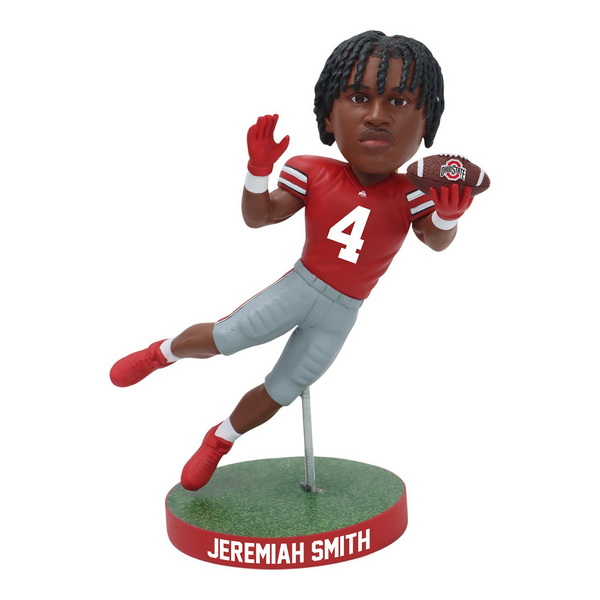
Understanding how a bobblehead is made provides insight into pricing decisions and quality standards.
Everything begins with an idea. Customers provide photos, sketches, or even 3D scans of the subject. Designers then create digital 3D models using CAD or sculpting software.
During this stage:
- Revisions may occur several times until the client approves the design.
- Complexity determines both design lead time and cost.
Once approved, the model is sculpted into a physical prototype. Polyresin or clay is shaped carefully to define features like facial expressions, uniforms, or accessories. After inspection, the prototype becomes the master mold.
The master mold is used to produce silicone or rubber molds for mass production. This step ensures consistency in shape across hundreds or thousands of units. Mold cost depends on the number of cavities and scale of production.
Liquid resin or melted PVC is poured into molds, cooled, and released as raw forms. Then, artisans assemble parts—mainly connecting the head and body using a spring for the signature “bobbing” motion.
Painters use fine brushes to add each small detail. Premium figurines undergo polishing, varnishing, and UV protection to enhance shine and durability.
Each piece passes a thorough inspection. Workers check for paint defects, cracks, or alignment issues. After approval, products are carefully packaged to avoid damage during transportation.
This detailed process shows why handmade bobbleheads require skilled craftsmanship and why customization often costs more.
Production country plays a major role in cost structure.
- China: Largest global producer; offers balanced pricing, high precision, and experienced manufacturers exporting worldwide.
- USA/Europe: Higher labor and material costs but shorter shipping times for local buyers.
- Southeast Asia: Growing presence with competitive pricing but limited specialization in bobbleheads compared to Chinese factories.
When choosing a supplier, weigh price savings against delivery time, communication ease, and factory expertise.
Many clients request special touches to make their bobbleheads unique:
- Voice chips or sound effects: Adds $2–$5 per unit.
- Custom bases with engraved names or logos: $1–$3 each.
- Interchangeable heads or moving limbs: +10–15% on total cost.
- LED lights or motion sensors: For premium editions only, costing $5–$10 extra.
These elements enhance product appeal while slightly increasing cost per piece.
On average, full production—including design, molding, painting, and shipping—takes 3–6 weeks, depending on order size.
Shipping method also influences overall price:
- Air express: 7–10 days, ideal for small or urgent orders.
- Sea freight: 20–40 days, suitable for large quantities and lower cost per unit.
- Courier door-to-door: Convenient but typically more expensive.
Import duties, packaging, and insurance may add another 10–25% to total cost when shipping internationally.
Here are some sample cost scenarios to help you visualize pricing tiers:
- Quantity: 1 piece
- Material: Polyresin
- Custom sculpt + hand-painting
- Price range: $90–$150
- Quantity: 100 pieces
- Material: PVC
- Simplified design + 2D logo print
- Price range: $18–$25 each
- Quantity: 1,000+ pieces
- Material: Polyresin
- Branded box + mass painting batch
- Price range: $10–$18 each
These ranges highlight how economies of scale and simplified features greatly reduce per-unit prices.
To optimize your bobblehead budget:
1. Choose bulk orders for promotional campaigns.
2. Simplify the design—avoid extra accessories or complex patterns.
3. Reuse existing molds if the figure shape is similar.
4. Select PVC instead of resin for mass production.
5. Collaborate directly with verified Chinese manufacturers to cut agency commissions.
Consistency, clear instruction, and careful design approval will minimize revisions and time loss, helping you stay within budget.
Modern businesses embrace bobbleheads as powerful branding tools. These unique items attract attention and reinforce brand identity.
Common uses include:
- Corporate giveaways: Mascot bobbleheads at trade shows.
- Sports promotions: Athlete figurines distributed during matches.
- Employee appreciation gifts: Personalized versions of team members.
- Event souvenirs: Weddings, graduations, or anniversaries.
When used creatively, bobbleheads create strong emotional connections, helping customers remember your company long after the event.
Sustainability is now part of manufacturing discussions. Many factories are switching to eco-friendly resins and non-toxic paints to reduce carbon footprints. Packaging is evolving toward recyclable corrugated fibers and soy-based ink printing.
If environmental responsibility matters for your brand, select suppliers who provide certificates ensuring compliance with RoHS, REACH, or ISO14001 standards.
The bobblehead market continues to evolve beyond nostalgia. Future growth trends include:
- 3D printing customization platforms: Online design tools allowing customers to upload selfies and modify designs instantly.
- Smart features: Some bobbleheads now incorporate motion sensors, Bluetooth speakers, or digital sounds.
- Limited NFT-linked collectibles: Physical-digital hybrid models targeting tech-oriented collectors.
- Cultural diversification: Expanding designs to include global celebrities and local cultural icons.
These innovations will further expand the bobblehead's reach into both consumer gifts and high-end collectible markets.
The cost of creating a bobblehead varies depending on design details, materials, quantity, and supplier expertise. A single handmade custom piece can cost around $100, whereas large-scale corporate orders might drop to $15 or less per unit.
Understanding how different factors affect price—from sculpting complexity to production location—helps you plan effectively and avoid surprises. For businesses, investing in bulk custom bobbleheads can deliver strong returns through brand recognition and customer engagement. For individuals, a custom bobblehead remains a heartfelt, lasting gift that captures life's memorable moments.
Ultimately, making a bobblehead is not just about price—it's about creating something that nods with personality, joy, and craftsmanship.
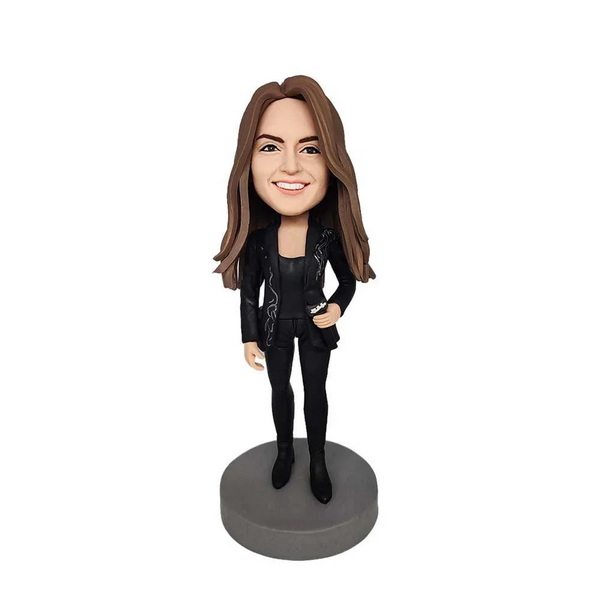
Typically 2–4 weeks for custom designs and up to 6 weeks for bulk orders, including mold production, painting, and shipping.
Polyresin offers the ideal balance of durability, texture, and finish. PVC is good for economical, lightweight mass production.
Yes, most manufacturers accept individual custom orders, though higher design and setup fees apply.
Consider mold fees, packaging, and shipping costs, which can add 10–30% depending on complexity and destination.
Look for professional manufacturers with export experience, online portfolios, customer reviews, and clear sample approval policies before production.


