
Content Menu
● The Popularity And Cultural Appeal Of Bobbleheads
● Materials Used To Make A Bobblehead
● Step-By-Step: How To Create A Bobblehead
>> Step 1: Planning And Concept Development
>> Step 2: Digital 3D Modeling
>> Step 5: Casting And Assembly
>> Step 6: Hand-Painting And Customization
>> Step 7: Drying, Quality Control, And Repair
>> Step 8: Packaging And Shipping
● The Business Side Of Bobblehead Manufacturing
● Common Challenges In Bobblehead Production
● Technology Advancements In Bobblehead Creation
● Cost Factors When Creating A Bobblehead
● Improving Efficiency For Large Orders
● Environmental Responsibility In Bobblehead Manufacturing
● The Creative Artistry Behind Each Bobblehead
● FAQ
>> 1. How long does it take to create a custom bobblehead?
>> 2. Which material is best for professional bobbleheads?
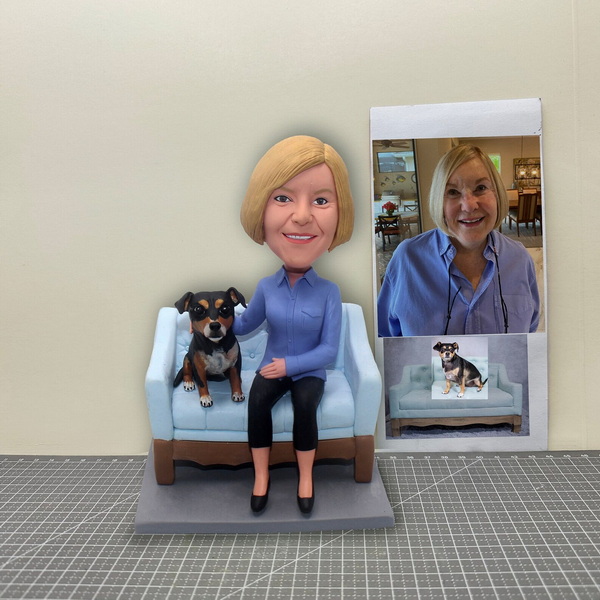
>> 3. Can bobbleheads be made directly from customer photos?
>> 4. What are common quality issues in bobblehead production?
>> 5. How can businesses reduce costs on bulk orders?
Creating a bobblehead is one of the most fascinating processes in the world of collectible manufacturing. Whether you are designing a personal bobblehead for fun or producing large-scale promotional items for a brand, the creation process combines artistic skill, material science, and manufacturing know-how.
From concept sketches to polished painted figures, making a bobblehead requires attention to detail at every stage. In this article, we'll explore exactly how a bobblehead is created, what materials are used, how factories manufacture them in bulk, and what it takes to guarantee quality results.

A bobblehead (sometimes known as a “nodder” or “wobbler”) is a small figurine with an oversized head attached by a spring or flexible joint, allowing the head to “bobble” when moved. This entertaining design has turned these figurines into beloved collectibles worldwide.
Bobbleheads appear in many forms — professional athletes, superheroes, business mascots, or personalized portraits. The motion of the nodding head adds amusement, while customization creates strong sentimental or marketing value.
The reason bobbleheads remain an enduring trend is that they bridge playfulness with personalization. Sports fans display them proudly on desks, collectors hunt for rare editions, and companies use them as branded gifts.
Modern 3D technologies have made customizing a bobblehead easier than ever. Anyone can upload a photo, choose body styles, outfits, and accessories, and receive a fully customized miniature version. On the industrial side, manufacturers mass-produce thousands of identical bobbleheads for campaigns, events, and merchandise.
Every bobblehead starts with the right material. Choosing the correct one affects durability, weight, and overall quality.
- Polyresin: The industry standard for detailed, high-quality bobbleheads. It's heavy, smooth, and allows intricate sculpting.
- PVC (Plastic): Lightweight, flexible, and ideal for mass production runs.
- Ceramic: Provides a glossy, premium feel but can be fragile.
- 3D Printing Resin: Used primarily for modern small-scale custom projects due to setup flexibility.
Each material brings different production costs and aesthetic advantages. Polyresin dominates high-end markets, while PVC is preferred for promotional or children's bobbleheads where durability matters most.
The journey from concept to finished product involves multiple precise phases. Understanding each stage helps balance creativity, cost, and production timing.
Every great bobblehead begins with a clear concept. Determine the character or subject, decide whether it's a caricature, mascot, or realistic portrait, and define the purpose — gift, collectible, or marketing product.
Reference photos should include front, side, and back views to help sculptors capture accurate features. If it's a corporate project, branding elements like logos or uniforms must be specified at this stage. Good planning reduces design revisions and production delays.
Skilled artists use 3D modeling software such as ZBrush, Blender, or Maya to sculpt the digital figure. The process involves shaping the head, body, and accessories separately for easier modification.
Facial likeness is the most time-consuming part, requiring attention to symmetry, proportion, and personality. Modern factories often use 3D scanning or AI-assisted design to speed up facial modeling without losing detail.
Digital modeling has many benefits:
- Enables quick design changes.
- Provides accurate previews before physical prototypes.
- Helps customers visualize the final product.
Once approved, the digital file transitions into the physical creation phase.
After 3D design, the prototype (often called the “master sample”) is produced through resin casting or 3D printing. The prototype allows customers and manufacturers to evaluate proportion, surface detail, and “bobbling” functionality.
This stage defines quality. Adjustments are easier to make here than later in mass production. Factories may run several prototypes to perfect spring strength and head-body balance.
When the prototype receives approval, mold-making begins. Specialized technicians create silicone or metal molds depending on the material being used.
Silicone molds capture fine details and are perfect for polyresin casting. Metal molds, usually for PVC injection, are more durable and can produce hundreds of consistent copies.
The mold precisely determines shape replication and eliminates variations, ensuring uniformity across all bobbleheads.
Liquid resin or melted PVC is poured into the mold cavities, cooled, and demolded. The main components — head, body, and base — are formed separately.
Artisans then clean, sand, and polish raw pieces to remove edges or air bubble marks. Assembly begins with connecting the head and body using a metal spring or connector rod to achieve smooth motion.
Proper connection ensures that the head nods fluidly without falling off or becoming stiff. A well-balanced bobblehead requires just the right tension between spring flexibility and gravity.
Once assembled, artisans paint the figurines by hand. Painting transforms the blank surface into a colorful and expressive bobblehead.
They use layered and detailed techniques involving:
- Base coat application.
- Shading for depth and skin tone variation.
- Detail work for eyes, hair, and accessories.
- Protective varnish for gloss and durability.
Unlike mass toys, every bobblehead receives a degree of individual attention. Hand painting gives each piece a unique charm even within large batches.
After painting, pieces move into drying chambers or air-cure stations. Once dry, inspectors examine each figure to confirm:
- Paint precision and color uniformity.
- Smooth surface finish with no cracks or rough spots.
- Stable head movement with proper bounce range.
Defective items are either retouched or discarded depending on severity. Leading factories adhere to ISO9001 or SGS-certified quality standards for export shipments to ensure global compliance.
Packaging must protect delicate details and convey brand identity. Typical packaging types include:
- Custom-designed display boxes with clear windows.
- Foam or sponge inserts for shock absorption.
- Cardboard sleeves printed with company logos.
For international shipments, bobbleheads are bulk-packed into large cartons, each separated by protective dividers to prevent accidental damage during transit.
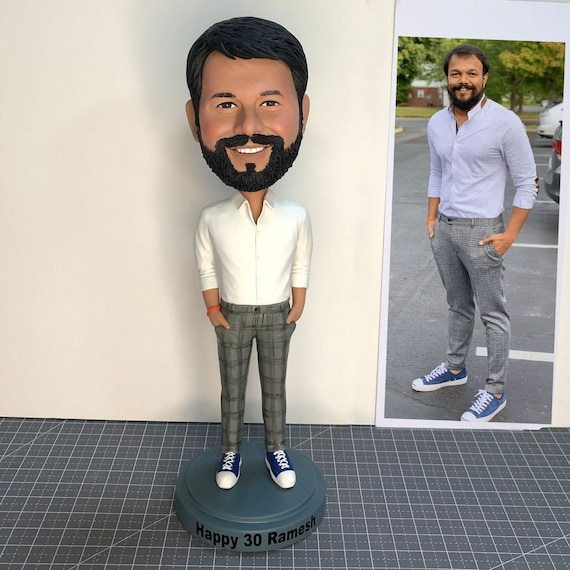
Bobbleheads are not just novelty gifts; they represent an entire industry combining craftsmanship and branding.
Companies use them to:
- Celebrate anniversaries or corporate milestones.
- Reward employees or customers.
- Promote mascots, characters, or product launches.
- Sell as merchandise at events.
A well-designed bobblehead strengthens brand image and builds emotional connection with audiences. For exporters, the global appeal of personalized figurines offers steady revenue streams, particularly in North America and Europe.
Even experienced factories face certain challenges in production:
1. Maintaining facial accuracy: Translating 2D photos into 3D without distortion requires skilled digital sculptors.
2. Balancing head-to-body ratio: Oversized heads may wobble unevenly or cause tipping issues.
3. Preventing paint inconsistency: Hand-painting needs trained artists to maintain color precision.
4. Minimizing mold defects: Air bubbles or uneven resin flow can affect surface texture.
5. Managing delivery deadlines: Handmade work demands both speed and careful attention, sometimes extending timelines.
Professional manufacturers mitigate these issues through process automation, multi-stage inspections, and effective production management systems.
Modern manufacturing continues to evolve with new tools and automation. Technologies now influencing bobblehead production include:
- 3D printing: Enables rapid prototyping and affordable one-off designs.
- AI facial recognition: Speeds up portrait creation and improves accuracy.
- Laser engraving: Adds intricate logos or names to the base without manual carving.
- Eco-friendly materials: Developments in biodegradable resins are reducing plastic usage.
These innovations not only make production more efficient but also attract environmentally conscious customers and collectors.
Bobblehead production cost depends on a combination of key factors:
- Material type.
- Design complexity.
- Order quantity.
- Mold and painting labor.
- Packaging customization.
An individual custom piece typically costs $80–$150, reflecting detailed labor and prototype costs. In contrast, mass-produced bobbleheads for corporate campaigns cost around $10–$30 per unit. Ordering in bulk dramatically reduces per-unit pricing.
Shipping and customs costs, when producing overseas, should also be factored into final budgets.
Manufacturers aiming for higher volume optimize the process with:
- Batch painting lines and conveyor drying systems.
- Trained teams for assembly and QC.
- Centralized digital design databases for uniform models.
- Streamlined logistics using containerized freight.
These measures cut lead times while maintaining consistent quality, crucial for exporters serving multiple global distributors.
Sustainability has become a rising concern in the collectible industry. Eco-conscious factories now prioritize:
- Low-VOC (volatile organic compound) paints.
- Water-based varnishes.
- Energy-efficient curing ovens.
- Reusable packaging solutions.
Some manufacturers even offer “green edition” bobbleheads made of recycled resin or plant-based polymers. Such initiatives enhance brand reputation and align with international environmental standards.
Behind the machines and workflows lies artistry. Sculptors, painters, and designers bring soul to each piece. They interpret subtle facial expressions, adjust poses, and decide how the “nod” reflects personality.
It's this human touch that sets a custom bobblehead apart from mass toys. Each nod represents character and individuality — a blend of humor and craftsmanship that turns an ordinary product into something memorable.
Creating a bobblehead requires a fascinating balance between creativity and technology. From conceptual sketches and 3D design to precise mold making, casting, and detailed painting, every stage matters. Whether for personal gifts or large-scale promotions, understanding the full process helps achieve better results in quality, timing, and cost.
Professional bobblehead manufacturing blends art, engineering, and production discipline. The final figure, cheerful and nodding, represents far more than a decorative object: it embodies craftsmanship, joy, and lasting connection. When made carefully, a bobblehead becomes not just a collectible, but a miniature work of art.
Production generally takes 3–5 weeks, including design approval, molding, painting, and shipping. Large corporate orders may require extra time.
Polyresin offers the most detailed and durable quality, while PVC works best for affordable mass production.
Yes. Factories use photo references or 3D scans to model accurate facial expressions and poses.
The most frequent issues include uneven paint, surface bubbles, or weak head springs. Reputable manufacturers inspect and correct these defects before shipment.
Order larger quantities, simplify coloring, reuse existing molds when possible, and work directly with experienced Chinese bobblehead manufacturers for competitive pricing.


