
Content Menu
● Understanding The Structure Of A Bobblehead
● Tools And Materials You Need
● Step-By-Step: How To Fix A Bobblehead
>> Step 1: Examine And Assess The Damage
>> Step 3: Repairing A Detached Head
>> Step 4: Fixing A Loose Or Weak Spring
>> Step 5: Mending Cracks And Chips
>> Step 6: Restoring Paint And Color
>> Step 7: Fixing Stiff Or Jammed Movement
● Advanced Restoration Techniques
● Tips To Prevent Future Damage
● Upgrading And Reinforcing Bobbleheads
● Restoring Limited-Edition And Electronic Bobbleheads
● Recycling Broken Bobbleheads
● Why Quality Manufacturing Matters
● The Joy Of Restoring A Bobblehead
● FAQ
>> 1. What glue is best for fixing a broken bobblehead?
>> 2. How can I fix my bobblehead if the spring is completely broken?
>> 3. Can I repaint a bobblehead after repairing cracks?
>> 4. How do I prevent my bobblehead's head from leaning sideways?
>> 5. What's the best way to store bobbleheads safely?
A bobblehead may look cheerful and indestructible, but these collectible figures are more delicate than their playful design suggests. Over time, accidents can happen — a loose spring, a broken head, or chipped paint can ruin the charm of your favorite figurine. Fortunately, repairing a bobblehead isn't complicated once you understand how it's built.
In this comprehensive guide, we will take you through how to fix a bobblehead, including identifying damage, using the right tools, and restoring both structure and appearance. Whether you're repairing a resin figure that fell off your shelf or restoring a rare collector's edition, you'll find professional techniques you can use at home.

Before beginning repairs, it helps to know how a bobblehead functions. These figures have three main components:
- Head – Usually oversized and hollow, connected with a spring that allows it to move.
- Body – Serves as the sturdy base, often made of one solid piece.
- Spring Connector or Joint – The flexible link that creates the classic “bobbling” effect.
Damage can occur in any of these parts. If the spring is weak, the nodding motion becomes lopsided. If the head cracks or detaches, the entire upper structure loses balance. Understanding which section is damaged dictates the best repair strategy.
Even the best-quality bobbleheads experience wear with age or rough handling. Here are the most frequent issues collectors and manufacturers encounter:
1. Loose or detached spring: The head wobbles excessively or falls off completely.
2. Cracked or chipped resin: High-impact drops cause surface breakage, especially in polyresin types.
3. Broken neck joint: Often from transportation or mishandling during storage.
4. Faded or damaged paint: Exposure to sunlight or improper cleaning removes color layers.
5. Stiff or jammed head motion: Accidental glue leakage can block spring movement.
Each of these issues can be resolved with a specific method — some quick DIY, others requiring fine restoration work.
To fix a bobblehead, preparation is key. Assemble all necessary tools before you begin:
- Precision glue (cyanoacrylate or two-part epoxy)
- Tweezers or needle-nose pliers
- Small screwdriver set
- Cotton swabs
- Rubbing alcohol or acetone (for cleaning old glue)
- Sandpaper (fine grit, 500–1000)
- Paintbrushes and acrylic paints
- Epoxy putty or modeling clay
- Microfiber cloth
By keeping these tools handy, you'll be able to repair everything from cracked resin to broken joints without rushing each step.
Below is a detailed, step-by-step process for bobblehead repair. Take your time and follow each section carefully to achieve professional results.
Start by inspecting your bobblehead under bright lighting. Look for cracks, missing pieces, or sections that may have separated. If any small fragments are loose, collect them in a secure container so they can be reattached later.
Try lightly shaking or moving the head to see where the connection has weakened. Avoid pulling on the spring — excessive force can tear internal resin or expand the joint hole, making future repairs harder.
Before gluing or repainting, gently clean all surfaces around the damaged area. Use a cotton swab dipped in acetone or rubbing alcohol to remove old adhesive residue, dust, or oils. Allow it to dry completely. This ensures the glue bonds properly and lasts longer.
If the figure is particularly dusty, wipe it down with a microfiber cloth before starting the repair work.
A detached or broken head is one of the most common bobblehead problems. To fix it:
1. Align the head and spring carefully with the neck area.
2. Apply a small amount of two-part epoxy to the connector or around the internal rim of the spring cavity.
3. Reconnect gently, ensuring the spring stays centered.
4. Hold the head upright until the glue begins to harden.
Leave the figure untouched for at least 24 hours to let the adhesive cure fully. Once dry, the head should regain stable bobbling motion with natural flexibility.
A spring that's loose or stretched results in unstable movement. You can fix it without replacing the entire connector:
- Use pliers to slightly compress the spring coils.
- Apply a thin layer of adhesive on both attachment points (head and body).
- Reconnect firmly, keeping the head balanced.
If the spring is rusted or cracked, replace it with a new one of similar size and thickness. Replacement springs are available at art supply shops and online hobby stores.
For polyresin bobbleheads, cracks often form around the neck or body. To restore:
1. Mix epoxy putty or use resin filler to fill small gaps.
2. Once hardened, sand the repaired surface gently until smooth.
3. Paint over with acrylics that match the surrounding color.
If large sections broke away, glue them back before applying filler. Avoid applying too much adhesive at once — thin layers bond better and dry faster.
A major challenge in bobblehead repair is repainting. The goal is to match the original color and texture. Follow these steps:
1. Mix colors gradually until they match the unbroken area.
2. Apply several thin coats rather than one thick layer.
3. Let each coat dry before adding another to prevent streaks.
4. Finish with a clear gloss or matte varnish spray for protection.
This process restores the figurine's appearance without altering its original design. Quality paints can also revive old or faded bobbleheads affected by sunlight.
If the bobblehead doesn't bobble properly, the spring may be blocked or over-glued.
- Detach the head gently.
- Clear any hardened glue within the cavity or joint using a toothpick.
- Add a light drop of silicone lubricant or sewing machine oil.
- Reattach the head and test its motion carefully.
Properly fixed bobbleheads should move smoothly in all directions without friction or twisting noise.
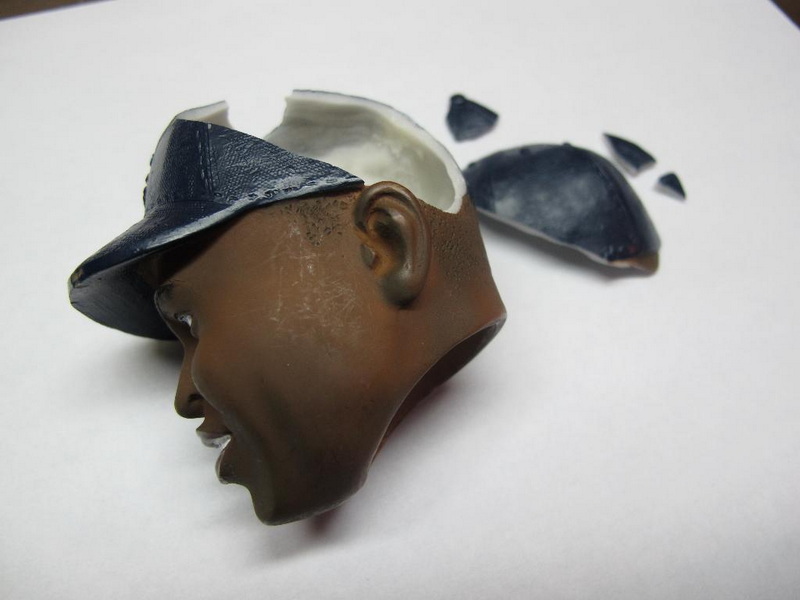
For valuable or antique bobbleheads, basic DIY fixes may not suffice. Advanced restoration involves structural reconstruction and color grading performed by skilled artisans.
Professional restorers can:
- Recreate missing fragments using molding resins.
- Repaint faded sections using airbrush blending techniques.
- Replace damaged connectors with new metal components.
- Polish or refinish surfaces to regain original factory shine.
Collectors often hire these experts for rare bobbleheads with high sentimental or monetary value.
Repairing is helpful, but prevention is always better. To keep your bobblehead collection safe:
1. Handle carefully: Always lift your figure by its base. Avoid grabbing the head.
2. Display steadily: Place bobbleheads on flat, vibration-free surfaces.
3. Avoid direct sunlight: UV rays fade paint and weaken adhesive bonds.
4. Keep away from humidity: Moisture can soften resin or rust springs.
5. Regular cleaning: Dust with a soft cloth rather than chemical sprays.
Taking simple precautions extends your bobblehead's lifespan and minimizes repair needs.
If you want to strengthen older bobbleheads or prepare new ones for long-term display, try the following upgrades:
- Replace weak springs with stainless steel connectors for corrosion resistance.
- Apply clear UV-protective coating over painted surfaces.
- Mount fragile figures on acrylic stands to prevent tipping.
- Add soft rubber pads under the base to reduce vibration from shelving.
These small improvements prevent future repairs and enhance visual appeal.
High-end bobbleheads sometimes include lights, sound chips, or motion sensors. Repairing these requires cautious electronic care.
- For light-up versions, check mini batteries or LED bulbs. Replace with identical types.
- For sound or motion bobbleheads, reseat internal wiring or solder loose connections.
- Never apply glue or lubricant near electrical components.
Because miniature circuits are sensitive, factory technicians or specialized electronics repairers should handle advanced fixes.
Sometimes, a bobblehead is beyond full restoration. Even then, creative reuse can give it a second life.
- Convert the figure base into a desk ornament or paperweight.
- Repurpose parts — heads, props, or bases — for craft projects.
- Combine damaged parts into mixed-media art for a fun display.
Such recycling reduces waste and celebrates the charm of these collectibles in a new and creative form.
Preventing damage in the first place often comes down to production quality. Reputable bobblehead manufacturers, especially specialized exporters in China, use advanced molding technologies, non-toxic paints, and stronger springs to produce durable figurines.
Working with a high-quality supplier ensures:
- Smooth, balanced motion.
- Proper head-to-body proportion.
- Scratch-resistant paint coatings.
- Secure packaging for international shipping.
When ordering custom or promotional bobbleheads, always evaluate factory capabilities, sample quality, and exported customer feedback before confirmation.
Fixing a bobblehead isn't just about repair—it's about renewal. Watching a broken figure return to its trademark nodding motion brings satisfaction and pride. These collectibles often represent memories, achievements, or affection toward famous icons, so restoring them preserves emotional value as well as craftsmanship.
Patience is key. Each carefully applied brush stroke or adjusted spring brings life back to your bobblehead's playful personality, ensuring it continues to nod with character for years ahead.
Repairing a bobblehead blends art, patience, and precision. Whether you're realigning a crooked spring, gluing broken parts, or touching up faded paint, each step celebrates craftsmanship and creativity.
Understanding your bobblehead's structure allows you to restore its charm safely and effectively. Applying careful maintenance and professional-quality adhesives can extend its life significantly, making it wobble with spirit once again.
In short, a well-repaired bobblehead is more than a restored collectible — it's a tribute to patience, nostalgia, and attention to detail that transforms simple figurines into lasting symbols of joy.
Use two-part epoxy or super glue specially formulated for resin or plastic. They provide strong, long-lasting bonds suitable for small, detailed parts.
Replace it with a matching metal spring. Insert one end into the head and the other into the body, reinforcing with epoxy to secure the connection.
Yes, you can repaint the repaired areas using fine acrylic paint and seal them with clear varnish to match the original finish and protect from fading.
Ensure the spring or connector is centered when gluing. Minor imbalances can be corrected by reinforcing one side of the spring with a small drop of epoxy.
Keep bobbleheads in dust-free display cases, avoid direct sunlight, and ensure stable temperature and humidity levels. Always hold them by the base when handling.


