
Views: 222 Author: Mia Publish Time: 2026-01-11 Origin: Site
Content Menu
● Typical Problems With a Stretched Bobblehead
>> Tilted or Off Center Bobblehead Head
>> Loose or Overly Wobbly Bobblehead Neck
>> Broken or Detached Bobblehead Spring
● Tools and Materials for Bobblehead Repair
● Step By Step: Shortening a Stretched Bobblehead Neck
>> Step 1: Compare and Inspect the Bobblehead
>> Step 2: Twist the Bobblehead Head to Shorten the Spring
>> Step 3: Test the Bobble and Check Clearances
● Fixing a Tilted Bobblehead Head
>> Step 1: Gently Lift or Remove the Bobblehead Head
>> Step 2: Add Support Material Inside the Head
>> Step 3: Reattach and Fine Tune the Bobblehead Position
● Tightening a Loose Bobblehead Neck
>> Alternative Spacers for Bobblehead Stability
● Replacing or Re Gluing a Bobblehead Spring
>> Step 1: Remove the Damaged Spring
>> Step 2: Prepare and Position the New Spring
● Safety Tips When Repairing a Bobblehead
● Preventing Future Bobblehead Damage
● Using Bobblehead Repairs to Customize Pose and Style
● FAQ
>> 1. How do I fix a Bobblehead that has a very long stretched neck?
>> 2. My Bobblehead head is leaning to one side; how can I straighten it?
>> 3. What can I do if my Bobblehead neck is too loose and wobbly?
>> 4. How do I replace a broken Bobblehead spring?
>> 5. Is it safe to use hot water when repairing a Bobblehead?
A stretched Bobblehead can ruin the look and balance of your favorite collectible, but in most cases it can be repaired at home with a few tools and some patience. Whether your Bobblehead neck looks too long, the spring is stretched, or the Bobblehead head is leaning awkwardly, there are safe ways to restore a normal bobble without damaging the paint or the body. This guide explains multiple Bobblehead repair methods, recommended materials, and practical tips you can use to keep every Bobblehead in your collection looking sharp on the shelf.

A Bobblehead usually consists of a hollow head, a body with a neck post, and a metal spring that connects the two parts. Most modern collectible Bobblehead designs use a screwlike spring that threads into the neck post on the body and into a plug or socket hidden inside the head. When that Bobblehead spring is correctly sized and correctly seated, the head sits at a natural height and moves freely without scraping the shoulders.
- The spring controls how far the Bobblehead head sits above the body and how much it moves when tapped.
- The head plug inside the Bobblehead holds the top of the spring in place and supports the plastic shell.
- The neck post or spindle on the body holds the bottom of the Bobblehead spring and must be straight to avoid leaning or twisting.
When the Bobblehead spring is overtwisted, pulled, or deformed during shipping or handling, the neck can stretch, tilt, or even stop bobbling correctly. Understanding this simple structure makes it easier to see why most stretched Bobblehead problems can be solved by carefully adjusting the spring, the plug, or the space around them.
One of the most common complaints collectors have is the “giraffe neck” Bobblehead, where the head sits far too high and a long section of spring is clearly exposed. This usually appears when the Bobblehead has been twisted repeatedly or pulled upward, which gradually works the spring out of the neck connection. The result is a Bobblehead that looks odd next to other figures from the same series.
Signs that your Bobblehead has this stretchedneck issue include:
- The Bobblehead's neck is noticeably taller than other similar figures.
- The Bobblehead spring is nearly fully extended and vibrates wildly when tapped.
- The Bobblehead head feels unstable and may spin a full circle with almost no resistance.
The encouraging part is that a “giraffe neck” Bobblehead can often be repaired simply by twisting the head in the opposite direction so the spring screws itself back into place.
Another frequent problem is a Bobblehead head that permanently leans to one side, points upward, or angles downward as if the character is staring at the floor. In this case, the Bobblehead spring might not be stretched much, but it may be twisted or compressed unevenly, or the weight distribution inside the head may be off.
You might notice that:
- The Bobblehead seems to be looking to the side when all the others face forward.
- Turning the Bobblehead head by hand does not fix the tilt for more than a moment.
- The Bobblehead head touches the shoulder, hair, or an accessory sculpt on one side.
By adjusting the spring position and adding small amounts of padding inside the head, you can usually line the Bobblehead back up with the rest of the display.
Sometimes the Bobblehead issue is not a long spring or a tilt, but a droopy or overly loose head that never stays facing forward. This happens when there is extra space in the neck socket, so the Bobblehead's head cannot grip the peg or spring firmly. The figure still bobbles, but it looks sloppy and unstable on the shelf.
You may see that:
- Lightly touching the Bobblehead head causes it to sag or settle into an odd angle.
- The Bobblehead never stops perfectly straight after bobbling.
- There is visible play between the spring or peg and the neck opening.
This kind of Bobblehead problem can often be corrected by filling the gap with soft material such as cotton or foam to tighten the joint.
In more serious cases, the Bobblehead spring may crack, snap, or tear free from either the head or the body. When that happens, the Bobblehead head may fall off completely or hang by a tiny piece of metal. Although this looks dramatic, it is still possible to repair the Bobblehead by replacing or regluing a new spring.
Symptoms include:
- The Bobblehead head no longer bobbles and hangs at an odd angle or drops off.
- A piece of spring is visible sticking out of the Bobblehead neck or head.
- Twisting or pushing the Bobblehead head does nothing because the connection is gone.
With careful handling and the right adhesive, a broken Bobblehead spring can be replaced and the figure can return to regular display.
Before starting any Bobblehead repair, set up a small, clean workspace where you will not drop small parts or accidentally scratch the figure. Preparing the right tools makes the whole Bobblehead process smoother and safer.
Useful tools and materials include:
- Needlenose pliers for gripping and adjusting the Bobblehead spring or plug.
- A soft cloth or towel to protect the Bobblehead paint from scratches.
- Cotton swabs or cotton balls to tighten a loose Bobblehead neck or pack the head cavity.
- Bubble wrap or small foam pieces to correct a leaning Bobblehead head from the inside.
- Strong, cleardrying adhesive for broken Bobblehead springs or neck stands.
- A small bowl of hot (not boiling) water and kitchen tongs if you plan to soften stiff Bobblehead plastic joints.
Optional but helpful:
- Nitrile gloves to keep oils from your hands off the Bobblehead paint.
- A magnifying glass or strong desk light for detailed Bobblehead work on small springs.
- Painter's tape or masking tape to hold a Bobblehead head in position while glue cures.
Having these items within reach lets you focus entirely on the Bobblehead repair steps instead of searching for tools in the middle of the job.
Begin by comparing the problem Bobblehead with a reference, such as product photos or another figure from the same line. This helps you decide how much shorter the Bobblehead neck should be and what “normal” looks like.
Check the following details:
- Is the Bobblehead spring straight or bent in one area?
- Is the neck post on the Bobblehead body perfectly upright or slightly tilted?
- Does the Bobblehead head currently face forward or is it already rotated?
Make mental notes or take a quick picture so you can see the beforeandafter difference once your Bobblehead repair is complete.
On many designs, the Bobblehead spring is threaded so that turning the head in one direction tightens the connection and turning it the other way loosens it. To fix a stretched Bobblehead neck, you want to twist in the tightening direction.
Follow these steps:
1. Hold the Bobblehead body firmly with one hand, using a soft cloth if the finish is glossy.
2. With your other hand, gently grip the Bobblehead head close to the neck, not on delicate accessories.
3. Rotate the Bobblehead head slowly in small quarterturns in the direction that pulls the head downward.
4. After each twist, check the Bobblehead neck length and compare it with your reference.
Stop as soon as the Bobblehead head sits at a natural height and the spring is no longer fully exposed. Forcing extra turns may overcompress the spring or twist it in a way that later causes a lean.
Once the Bobblehead neck is shorter, tap the head gently and watch how it moves. A welladjusted Bobblehead should:
- Bob freely without hitting the shoulders, chest, or hair sculpt.
- Return to a roughly forwardfacing position when it stops.
- Show only a small, neat section of Bobblehead spring.
If the Bobblehead head now scrapes the body, gently twist it back a fraction until there is just enough clearance. If the Bobblehead still appears too tall, repeat the twisting process, but always work slowly to avoid damaging the spring.
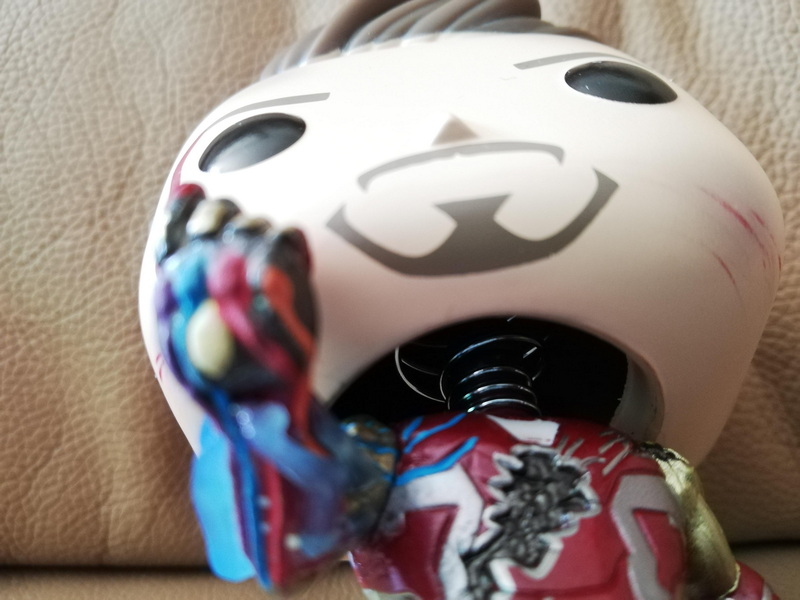
When the main issue is a leaning Bobblehead head or one that constantly looks away from the viewer, the most effective solution is usually to adjust the internal support around the spring.
Some Bobblehead heads can be carefully pulled upward to create a small gap at the neck, while others can be fully removed from the spring and neck post. How far you go depends on the design and how tight the factory connection is.
- Hold the Bobblehead body securely.
- Grip the Bobblehead head with both hands and slowly lift while rocking very slightly.
- Stop if you feel strong resistance that could crack the plastic; in that case, work only with the small gap you can safely open.
If the joint is extremely stiff, some hobbyists dip just the neck area of the Bobblehead briefly in hot water to soften the plastic before pulling, but this should be done carefully and only if you are comfortable with the risk of warping.
Once you can see or access the inside of the Bobblehead head around the spring, you can change its resting angle by packing soft material in the right place.
For example:
- If the Bobblehead is leaning forward (looking down), place small pieces of bubble wrap or cotton toward the front interior of the head to push it back.
- If the Bobblehead leans left, add padding to the left inner side so the head is nudged to the right.
- If the Bobblehead tilts backward, pack material behind the spring to bring the face downward slightly.
Always start with very small pieces and test frequently. The goal is to support and guide the Bobblehead head, not to cram the cavity so full that bobbling stops completely.
After inserting the support material, press or twist the Bobblehead head back down onto the neck post until it feels seated. Then:
- Tap the Bobblehead head and observe the motion and final resting angle.
- If the Bobblehead is still leaning, add or shift a little more material on the low side.
- If the Bobblehead barely moves, remove some padding to restore a pleasant bobble.
With a bit of trial and error, you can usually find a sweet spot where the Bobblehead stands straight for display but still has a nice, gentle wobble.
A floppy Bobblehead neck is frustrating because the figure never stays in a consistent pose. Fortunately, this is one of the easiest Bobblehead problems to fix.
1. Carefully remove the Bobblehead head from the neck post if the design allows it.
2. Tear off a tiny piece of cotton ball or a small strip of foam.
3. Place the material into the neck cavity or around the base of the Bobblehead spring.
4. Press the Bobblehead head back onto the neck, compressing the material inside.
The added material fills the extra space and creates friction, which keeps the Bobblehead head from swinging too freely. If the Bobblehead becomes too stiff, remove a bit of cotton and try again until the movement feels right.
Some collectors experiment with other spacers inside the Bobblehead, such as:
- Thin silicone rings or rubber washers that slip over the neck post.
- Small plastic caps trimmed to fit inside the Bobblehead head.
- Lightweight foam discs stacked under the Bobblehead spring.
Whatever solution you choose, the key is to use something lightweight and compressible so the Bobblehead still has room to move.
When a stretched Bobblehead has a damaged or detached spring, tightening and packing will not be enough; the spring connection itself must be restored.
Use needlenose pliers to carefully extract the old Bobblehead spring:
- If one end is lodged deep inside the head plug, gently twist and pull with the pliers until it loosens.
- If the spring is broken in the middle, remove both leftover sections so the cavity is clean.
- Inspect the inside of the Bobblehead head and the neck post to ensure there are no sharp fragments remaining.
Work slowly to avoid gouging the plastic or chipping the paint around the Bobblehead neck.
Select a replacement spring that is similar in thickness and length to the original Bobblehead spring. Then:
1. Dryfit the spring over the neck post to confirm it sits snugly without bending.
2. Apply a thin, even layer of strong adhesive around the lower coils where they contact the Bobblehead neck post.
3. Slide the spring into place and hold it steady for the adhesive's initial set time.
4. Once the bottom is secure, add a small amount of glue to the upper coils and carefully position the Bobblehead head so the spring aligns with the internal plug.
Use painter's tape to keep the Bobblehead head in the desired orientation while the adhesive fully cures. After curing, remove the tape and gently test the bobbling action.
Although Bobblehead repairs are generally simple, a few basic safety guidelines will protect both you and your collection.
- Avoid excessive force when twisting or pulling a Bobblehead head; if it does not move with moderate pressure, reassess your method.
- If using hot water to soften Bobblehead joints, keep the figure in the water only briefly and always handle it with tongs or gloves.
- Use adhesives in a wellventilated area, following the manufacturer's instructions for cure time before handling the Bobblehead again.
- Keep sharp tools, glues, and very hot water away from children who may be drawn to the Bobblehead characters.
By combining patience with gentle, deliberate movements, you can dramatically extend the life of every Bobblehead in your display.
Repairing a stretched Bobblehead is satisfying, but preventing future damage is even better. A few simple habits will reduce the chance of needing another Bobblehead repair later.
Practical prevention tips:
- Avoid repeatedly twisting Bobblehead heads just for fun; constant twisting can pull springs loose or stretch them.
- When dusting, support the Bobblehead body and lightly hold the head so it does not snap back and forth violently.
- Display Bobbleheads away from direct sunlight and extreme heat, which can soften plastic and make springs shift over time.
- When transporting Bobbleheads, wrap each figure with soft material and pack them upright so the heads are not crushed or pulled.
These small habits protect the Bobblehead spring, plug, and neck post from unnecessary stress.
Once you are comfortable working with Bobblehead springs and internal supports, you can go beyond simple repairs and start doing mild customization.
Possible custom adjustments:
- Slightly tilting a Bobblehead head to one side on purpose to give the character more personality.
- Reducing the bobble range of a particularly sensitive Bobblehead so it moves less in a hightraffic area.
- Swapping compatible Bobblehead heads and bodies for creative display combinations, as long as springs and posts align.
When customizing, always remember that excessive force can damage the Bobblehead and may reduce resale value, so any modifications should be reversible whenever possible.
A stretched or tilted Bobblehead may look dramatic, but in most situations the figure is far from ruined. By understanding how the Bobblehead spring, head plug, and neck post work together, it becomes clear that most problems come from extra space, uneven pressure, or a misaligned spring rather than from irreversible damage. With simple tools, patience, and the techniques described here—twisting to shorten a stretched Bobblehead neck, packing the head to correct a lean, tightening a loose joint with cotton, or replacing a broken Bobblehead spring—you can restore both the aesthetic and the playful motion of your favorite collectibles. Whether you are maintaining a single desk Bobblehead or an entire wall of Bobblehead figures, these methods will help you keep every Bobblehead looking balanced, stable, and ready to bobble for years.
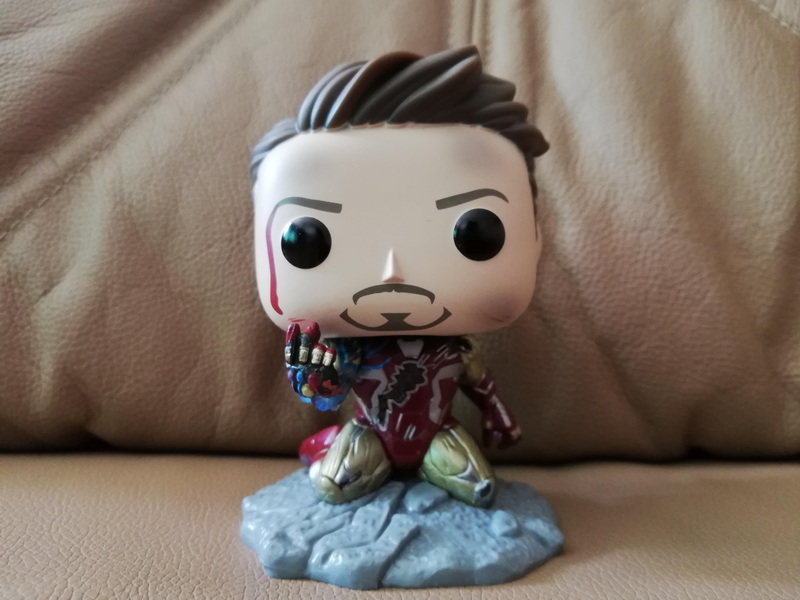
To repair a Bobblehead with a long stretched neck, hold the body firmly and slowly twist the head in the direction that tightens the spring and pulls the head downward. Work in small increments, checking the Bobblehead neck height after each turn, and stop as soon as the spring is mostly hidden and the head no longer scrapes the shoulders.
If your Bobblehead head leans, gently lift or partially remove the head and insert soft material such as bubble wrap, cotton, or foam inside the head on the low side. This added support nudges the Bobblehead head back toward the center; reattach the head and adjust the amount of material until the Bobblehead stands straight while still bobbling.
For a loose Bobblehead neck, remove the head and place a small piece of cotton or foam inside the neck cavity or around the base of the spring, then press the head back into position. The material reduces the gap, tightens the joint, and helps the Bobblehead return to a stable forwardfacing pose after each bobble.
To replace a broken Bobblehead spring, carefully pull out the damaged spring with needlenose pliers, ensuring no fragments remain in the head or neck. Then glue a new, similarsized spring to the neck post and to the head plug with strong adhesive, holding the Bobblehead head in the desired position with tape until the glue fully cures so the figure can bobble normally again.
Hot water can be used safely on many Bobbleheads to soften tight joints, but it must be done cautiously. Dip only the neck area in hot (not boiling) water for a short time, handle the Bobblehead with tongs or gloves, and allow the figure to cool and dry completely before reassembling or displaying it so the plastic does not warp and the paint stays intact.


