
Views: 222 Author: Site Editor Publish Time: 2026-01-13 Origin: Site
Content Menu
● Common Reasons a Bobblehead Stops Bobbling
● Choosing a Stable Display Spot for Your Bobblehead
● Protecting Your Bobblehead from Sun and Dust
● How to Clean a Bobblehead Without Hurting the Bobble
● Adjusting a Twisted or Stuck Bobblehead Head
● Strengthening the Spring Connection so Your Bobblehead Keeps Bobbling
● DIY Bobblehead Spring Optimization for More Motion
● Protecting Bobbleheads Used as Car Dashboard Ornaments
● How to Repair a Broken Bobblehead Without Killing the Bobble
● Mistakes That Make a Bobblehead Stop Bobbling
● Extending the Life of Your Entire Bobblehead Collection
● FAQ
>> 1. Why did my Bobblehead suddenly stop bobbling?
>> 2. How can I fix a crooked Bobblehead head and get the bobble back?
>> 3. What is the best glue to repair a broken Bobblehead without losing the bobble?
>> 4. Will putting my Bobblehead in a display case reduce its bobbling?
>> 5. Is it safe to put a Bobblehead on a car dashboard if I want it to keep bobbling?
Keeping a Bobblehead bobbling smoothly is all about protecting its spring, stabilizing its base, and preventing cracks, warping, or dust buildup over time. With a little care, the right display environment, and some simple Bobblehead maintenance tricks, your favorite Bobblehead can keep nodding happily for many years.[1][2][3][4]
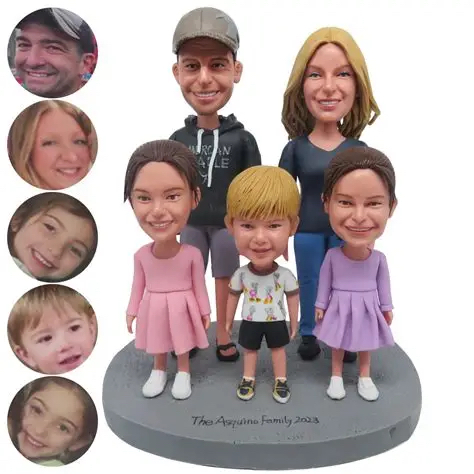
A Bobblehead works because a light, hollow head is connected to the body with a flexible spring that allows controlled wobbling when touched or moved. When the Bobblehead is shaken, the spring flexes and returns to its resting position repeatedly, creating the classic head-bobbing motion.[3][1]
- The Bobblehead spring is usually glued into a small cavity in the head and seated into a hole or post on the body.[1][3]
- If the Bobblehead head becomes too heavy, the spring gets bent, or the glue fails, the bobbling motion becomes weak, uneven, or stops entirely.[5][1]
Understanding why a Bobblehead stops bobbling is the first step toward fixing it and keeping that classic nodding motion.
- The Bobblehead spring can deform, twist, or shift from its original position after rough handling or falls.[6][5]
- Heat, sunlight, and physical stress can warp resin or plastic Bobblehead parts, causing the head to rub against the body or base.[2][7]
Where you place your Bobblehead has a huge impact on how smoothly it will bobble and how long it will last.
- Displaying a Bobblehead on a stable, level shelf away from high-traffic areas reduces accidental bumps that could bend the spring or knock the figure over.[2]
- Keeping a Bobblehead away from direct sunlight and excessive heat prevents fading, discoloration, and material fatigue that can stiffen or crack parts.[4][2]
A dusty, sun-exposed Bobblehead will not bobble as smoothly or look as good as a clean, protected one.
- UV-protected display cases and UV-filtering glass help shield Bobblehead surfaces from fading and material degradation.[4][2]
- Dust on the head and spring area adds friction and can make Bobblehead movements sluggish, so regular gentle cleaning is important.[2]
Cleaning the Bobblehead correctly keeps the bobbling motion light and free.
- For most resin or plastic Bobblehead figures, soft-bristle brushes or makeup brushes are ideal for removing loose dust from small details without scratching.[2]
- Avoid soaking the Bobblehead or spraying aggressive cleaners directly on the spring, since moisture and chemicals can corrode metal components and affect glue joints.[2]
If a Bobblehead head is twisted too far or sits at a strange angle, gentle adjustment of the spring can restore proper bobbling.
- Collectors often suggest carefully turning the Bobblehead head back the other way to undo a twist, as long as the spring is not deformed.[5]
- When a Bobblehead spring is badly bent, some repair tutorials show removing the head by softening the inner plug in hot water so the spring can be repositioned.[6]
A weak or loose spring makes the Bobblehead wobble strangely or causes the head to sag.
- Repair guides for Bobblehead figures recommend choosing a spring size that fits tightly around the body spindle and gluing it with strong craft adhesive like E6000.[9][1]
- Letting the Bobblehead spring glue cure fully, often for about 24 hours, helps the head stay in the right spot and bobble smoothly instead of drooping.[1]
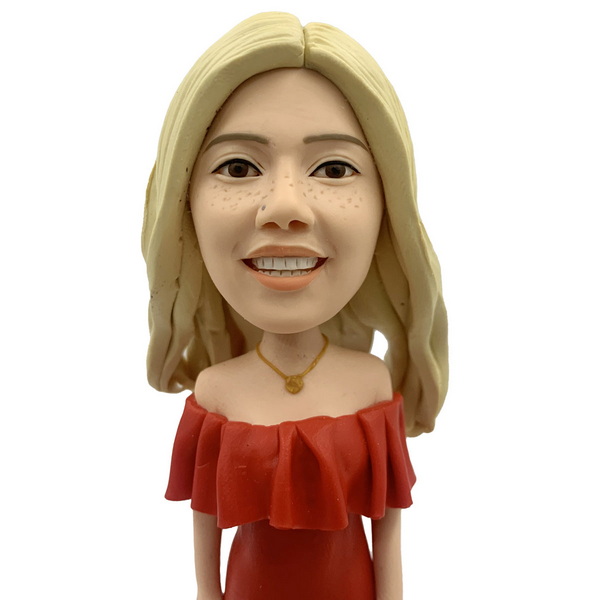
If your Bobblehead barely bobbles, optimizing the spring and head cavity can increase movement.
- In 3D printed Bobblehead designs, tutorials recommend carefully sizing the cavity and holes for the spring so there is enough clearance around the neck for free bobbling.[3]
- Getting the spring seated straight and using small shims when necessary keeps the Bobblehead head upright while still allowing good bobble amplitude.[3]
Many people place a Bobblehead on a car dashboard to enjoy bobbling while driving, but this exposes it to shaking, heat, and sunlight.
- To keep a car Bobblehead bobbling, collectors often recommend UV-protected films on the windshield or using UV-protected clear coats to slow fading and material breakdown.[7][4]
- The Bobblehead should be attached firmly with adhesive pads or non-permanent glue that holds the base without pulling it apart during strong vibrations.[9][4]
Sometimes a Bobblehead leg, arm, or even neck breaks, but careful repair can preserve bobbling.
- Hobbyists and collectors often use cyanoacrylate (super glue) or permanent craft adhesives to reattach broken Bobblehead parts and restore stability.[10][9]
- For Bobblehead repairs around the neck or spring area, gluing only structural parts while keeping the spring free is crucial to preserve the bobbling action.[3][1]
Avoiding a few common mistakes will greatly extend the bobbling life of any Bobblehead.
- Overfilling the head cavity with foam, cotton, or bubble wrap can stabilize the head but also reduce or completely stop its bobbling motion.[11][8]
- Using thick paint layers or heavy accessories on the head can make the Bobblehead top-heavy and strain or deform the spring.[3]
To keep many Bobbleheads bobbling in a collection, it helps to think about long-term preservation.
- Displaying Bobbleheads in UV-protected cases, rotating figures occasionally, and using gentle dusting routines can maintain both appearance and bobbling performance.[4][2]
- For rare or signed Bobblehead pieces, avoiding hot attics, direct sun, and damp basements reduces the risk of cracking, warping, or mold that could freeze or weaken the bobble action.[4][2]
A Bobblehead is more than just a static figurine; it is designed to move, and that signature bobbling motion depends on a healthy spring, a clean cavity, and a safe display environment. By keeping your Bobblehead away from direct sunlight, using UV protection, dusting gently, and securing the base, you reduce strain on the materials and protect the delicate mechanisms that make a Bobblehead nod. When a Bobblehead does start to wobble less, simple steps like realigning the head, reinforcing the spring with proper adhesive, or optimizing the 3D printed cavity can restore the movement and keep your Bobblehead bobbling for years.[1][4][2][3]
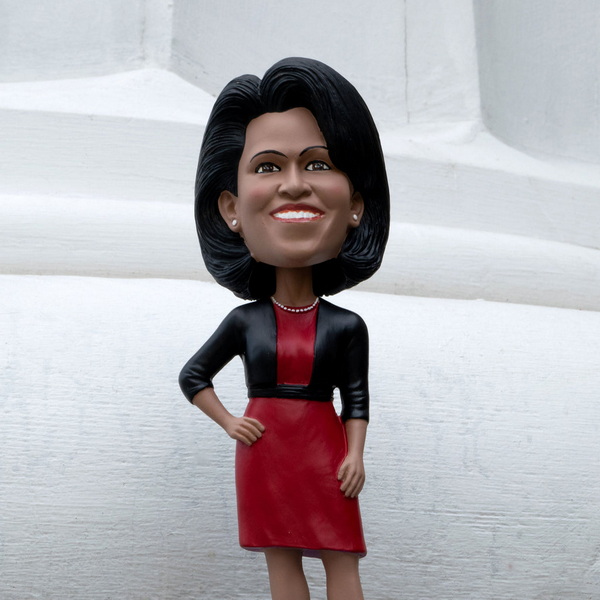
A Bobblehead often stops bobbling because the spring has twisted, bent, or shifted, or because the head now rubs against the body or base. Heat, falls, or long-term display in a bad position can deform parts so the Bobblehead loses its free movement and needs adjustment or repair.[5][6][2]
For many Bobbleheads, gently turning the head back toward the correct position can untwist the spring and restore movement as long as the metal is not badly deformed. If the Bobblehead spring is damaged or the head plug is stuck, tutorials recommend softening the head in hot water and carefully resetting or replacing the spring.[8][6][5]
Collectors frequently use strong craft adhesives such as E6000 or cyanoacrylate (super glue) to reattach broken Bobblehead parts while leaving the spring free. When repairing a Bobblehead neck or head, apply glue to structural surfaces only and avoid the spring area so bobbling action remains smooth.[10][9][1]
A display case will not stop a Bobblehead from bobbling; it simply protects it from dust, UV light, and accidental hits that can damage the spring. As long as there is enough clearance around the head inside the case, you can still tap the Bobblehead and enjoy normal bobbling motion.[4][2]
A Bobblehead can bobble on a car dashboard, but constant vibration, heat, and sunlight can fade colors and stress materials over time. Using UV-protective film on the windshield, securing the Bobblehead base firmly, and rotating figures occasionally helps the Bobblehead keep bobbling longer in this harsh environment.[7][4]
[1](https://www.youtube.com/watch?v=b_FrrllTHqs)
[2](https://grainraincraft.com/tips-to-protect-resin-figurine-crafts-collectibles/)
[3](https://www.instructables.com/3D-Printed-Bobblehead/)
[4](https://www.pioneerplastics.com/blog/protect-your-memorabilia-with-uv-protected-display-cases/)
[5](https://www.reddit.com/r/funkopop/comments/3za7xh/how_do_i_fix_a_pop_bobblehead_that_got_twisted_so/)
[6](https://www.facebook.com/groups/634332759991554/posts/24122239017440931/)
[7](https://www.reddit.com/r/lego/comments/113dm3l/made_these_guys_my_dash_ornament_any_ideas_on_how/)
[8](https://www.youtube.com/watch?v=x8Jt8TQzOZo)
[9](https://www.facebook.com/groups/realseattlemarinersfans/posts/3865794297017192/)
[10](https://thwack.solarwinds.com/discussion/31673/i-broke-my-bobbleheads-leg)
[11](https://funkofunatic.com/viewtopic.php?t=49732)
[12](https://www.reddit.com/r/funkopop/comments/3jlxyv/how_to_make_bobble_heads_not_bobble/)
[13](https://www.youtube.com/watch?v=74L-B_oSaX0)
[14](https://www.facebook.com/groups/144288959710590/posts/2040831683389632/)
[15](https://www.tiktok.com/@blakesilva/video/7125176979300683054)


