
Views: 222 Author: Site Editor Publish Time: 2026-01-26 Origin: Site
Content Menu
● Understand Your Broken Bobblehead Before You Start
● Tools and Materials for Broken Bobblehead Repair
>> Basic Tools for a Broken Bobblehead
>> Glues and Fillers for a Broken Bobblehead
● Step 1: Inspect and Organize the Broken Bobblehead Parts
● How To Repair a Broken Bobblehead Head
>> Cleaning Broken Bobblehead Surfaces
>> Reattaching a Broken Bobblehead Head With Spring Intact
>> Repairing a Cracked or Broken Bobblehead Head Shell
● How To Fix a Loose, Bent, or Broken Bobblehead Spring
>> Removing the Spring From a Broken Bobblehead
>> Straightening a Bent Bobblehead Spring
>> Reinstalling or Replacing the Bobblehead Spring
● How To Repair a Broken Bobblehead Base or Body
>> Pinning and Gluing a Broken Bobblehead Joint
>> Filling Gaps and Restoring Broken Bobblehead Details
● Repairing Chips, Scratches, and Missing Paint on a Broken Bobblehead
>> Preparing Bobblehead Surfaces for Paint
>> Color Matching and Layering Paint on the Bobblehead
>> Sealing the Repaired Bobblehead Paint
● Strengthening and Protecting a Repaired Bobblehead
>> Letting the Broken Bobblehead Cure Fully
>> Choosing a Safe Display Location for a Repaired Bobblehead
>> Handling a Repaired Bobblehead With Care
● DIY vs. Professional Repair for a Broken Bobblehead
● FAQ
>> 1. What glue is best for repairing a broken Bobblehead?
>> 2. Can I fix a broken Bobblehead spring, or do I need a new one?
>> 3. How do I repair a broken Bobblehead arm or leg?
>> 4. My broken Bobblehead is ceramic. Is the repair process different?
>> 5. How can I prevent my Bobblehead from breaking again after repair?
A broken Bobblehead can feel like a disaster, especially when it is a rare stadium giveaway, a custom Bobblehead, or a signed Bobblehead with deep personal value. A broken Bobblehead head, cracked Bobblehead base, loose Bobblehead spring, or shattered Bobblehead arm does not necessarily mean the figure is beyond saving. With the right tools and methods, you can repair a broken Bobblehead and restore both its appearance and its signature bobbling motion.
This guide explains how to repair the most common types of broken Bobblehead damage: detached heads, loose or bent springs, broken Bobblehead bases and bodies, and chipped or missing details. You will learn step-by-step Bobblehead repair procedures, which glues actually work on resin and plastic Bobblehead materials, and how to protect your Bobblehead after repair so it stays intact and keeps bobbing for years.

Before repairing any broken Bobblehead, you need to understand what it is made of and how it originally moved. Most modern Bobblehead figures are cast from resin, PVC, ABS plastic, ceramic, or a combination of these materials. Older or special Bobblehead pieces sometimes include metal parts, wooden bases, or polymer clay details. Knowing the materials helps you choose the right adhesive and repair method for each broken Bobblehead.
The typical Bobblehead design includes a base and body, a neck peg or cavity, a metal spring, and a hollow head. When a Bobblehead is broken, one or more of these components has failed: the spring may have pulled out, a joint may have cracked, or a piece of the Bobblehead body may have snapped off. Identifying all damage points before you begin makes the repair smoother and prevents frustrating surprises later.
Having the right tools at hand makes repairing a broken Bobblehead safer and more effective. You do not need a professional workshop, but you do need precision and patience when working on a broken Bobblehead.
- Needle-nose pliers for gripping Bobblehead springs and tiny fragments
- Craft knife or hobby blade for trimming glue and cleaning broken Bobblehead edges
- Pin vise or mini hand drill to create holes for pins inside broken Bobblehead joints
- Tweezers for handling small Bobblehead parts
- Soft microfiber cloth or towel to protect the Bobblehead surface on the work area
- Small clamps, rubber bands, or supports to hold parts of the Bobblehead while glue cures
- Two-part epoxy resin glue for strong structural Bobblehead joints
- Cyanoacrylate (super glue) for quick, small broken Bobblehead repairs
- Epoxy putty for filling gaps and sculpting missing Bobblehead sections
- Acrylic paints and small brushes for touching up repaired Bobblehead areas
- Sandpaper (around 400–1000 grit) for smoothing joints and putty on the Bobblehead
- Cotton swabs, toothpicks, and alcohol for cleaning and precise Bobblehead glue application
Always work on a clean, flat surface and place a soft towel underneath so a small broken Bobblehead piece will not bounce away if it slips from your fingers.
Spread a white sheet of paper or a tray on your work table and place all broken Bobblehead pieces on it. Look carefully for tiny fragments, such as fingers, small decorative parts, or bits of the Bobblehead base. Group parts by area: head, neck, spring, body, base, and accessories, so you know exactly what you need to reattach.
Take photos of the broken Bobblehead from multiple angles before you start gluing anything. These reference images will help you match the original pose, angle, and orientation of the Bobblehead head and limbs. If the Bobblehead is part of a series, you can also look up images online to see how it should look when fully assembled. This visual checklist makes it easier to spot if any piece of the broken Bobblehead is still missing.
A detached or cracked Bobblehead head is the most common type of break. Sometimes the spring is still attached to the body, sometimes it is stuck in the head, and sometimes it is bent or broken. The goal is to clean, align, and reattach the Bobblehead head so it looks natural and bobbles correctly.
Use a cotton swab dipped in rubbing alcohol to clean the inside of the Bobblehead head cavity and the neck area where the head attaches. Remove dust, old glue, and oils, then let the surfaces dry fully. If there are loose chips around the broken Bobblehead edge, gently remove them or save them for later reattachment.
On resin or plastic Bobblehead parts, lightly roughen the hidden surfaces that will be glued using fine sandpaper. This gives epoxy or super glue more grip and helps the broken Bobblehead joint resist future shocks. Do not roughen visible painted areas on the outside of the Bobblehead unless you plan to repaint them.
If the spring is still firmly connected to the Bobblehead body and only pulled out of the head, dry-fit the head onto the spring to test alignment. Turn the head in small increments until the Bobblehead face looks centered and the gap between the head and shoulders is even.
Once you are satisfied, remove the head again, apply a small amount of epoxy or super glue to the inside of the head cavity (on the contact area around the spring), and press the head back on. Hold the Bobblehead head in position for several minutes, then support it carefully while the glue cures fully. After curing, gently tap the head to confirm the broken Bobblehead has recovered its bobble and still points in the correct direction.
If the head shell itself is broken or cracked, treat it like a small hollow statue. Align the cracked Bobblehead edges without glue to make sure they fit, then apply a thin line of epoxy along the inside of the crack and press the pieces together. You can add a strip of thin plastic or paperclip pins across the inside of large cracks to reinforce the broken Bobblehead head from within.
Once the epoxy is hard, fill any visible gaps on the outside with a small amount of epoxy putty, sand smooth, and repaint the repaired area to match the rest of the Bobblehead head. Blend the paint carefully so the repaired Bobblehead looks as close to original as possible.
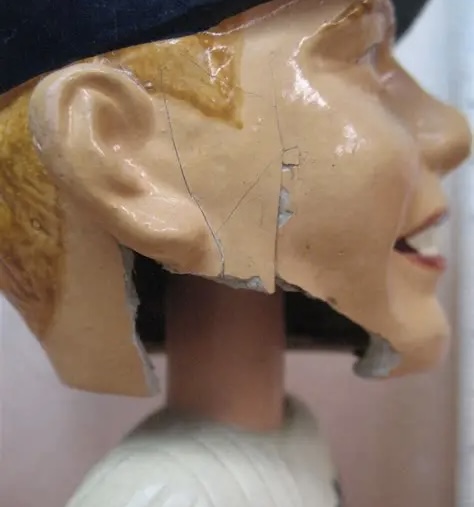
The spring is the heart of the Bobblehead and often gets bent, stretched, or detached when a Bobblehead falls. Fixing or replacing a broken Bobblehead spring is delicate but manageable with patience.
Carefully unscrew or twist the Bobblehead head off the spring if possible. You may need to use needle-nose pliers to grab the spring inside the head and twist gently until it loosens. Remember which end of the spring attached to the head and which to the body, as some Bobblehead springs have a narrower end that fits the neck plug more securely.
If the spring is lodged tightly, warm the area slightly with your hands to make the plastic more flexible and try again with gentle twists rather than forceful pulls. Take your time so you do not crack the Bobblehead head further or deform the spring more than necessary.
To straighten a bent Bobblehead spring, hold it at eye level and look for the coil that causes the curve. Use needle-nose pliers to pinch that ring and carefully bend it in the opposite direction. Work slowly and avoid over-bending; metal fatigue can cause the spring to snap if you flex it repeatedly.
After straightening, test the spring by holding it upright and letting it dangle. If the Bobblehead spring now hangs mostly straight, it is ready to be reinstalled. If it still looks distorted or feels weak, consider replacing it with a new spring of similar size and stiffness.
Twist the narrow end of the Bobblehead spring onto the neck peg or into the body cavity first. Then twist the other end into the head cavity until it seats firmly. The head should float above the shoulders with a small gap and move freely when tapped.
If you are installing a new spring in a broken Bobblehead, secure the body end with epoxy and let it cure before attaching the head. Then use a small amount of super glue on the head end to hold the spring in place. Check orientation and bobble height before the glue sets, and adjust by slightly rotating the spring if the head appears crooked or too low.
A broken Bobblehead base or body can cause instability, leaning, or difficulty in standing the Bobblehead upright. Structural body repairs usually benefit from reinforcement with pins and strong epoxy.
For breaks at the ankles, legs, or torso of a Bobblehead, pinning is one of the strongest ways to repair them. Use a pin vise to drill matching holes into both sides of the broken Bobblehead joint. Cut short pieces of paperclip or brass rod to use as pins, and test-fit them to ensure the figure lines up correctly.
Mix epoxy and apply it into the drilled holes and along the break line. Insert the pins and push the Bobblehead pieces together. Align the figure so it stands naturally on its base and then hold or clamp it in position until the epoxy begins to set. Wipe away any excess glue before it hardens so the repaired Bobblehead joint remains neat.
After the main broken Bobblehead joint is solid, examine the repair for gaps, pits, or missing material. Mix epoxy putty and press it into gaps, smoothing it with a sculpting tool or a damp finger to mimic the original Bobblehead contours. For folds in clothing, muscles, or decorative edges on the Bobblehead base, gently carve these shapes into the putty before it cures.
Once the putty is fully cured, sand the repaired areas with fine sandpaper until they are smooth and flush with the original Bobblehead surface. Then reapply paint to match the surrounding areas. This step transforms an obvious broken Bobblehead repair line into a nearly invisible seam.
Even if a broken Bobblehead is structurally repaired, chips and scratches in the paint can keep it from looking complete. A careful repaint finishes the restoration and hides many repair lines.
Clean the chipped or scratched Bobblehead area with a cotton swab and alcohol to remove dust and oils. If the chip exposes a different color underneath, lightly sand the edges so the transition is smooth. For deep broken spots, fill with a tiny amount of epoxy putty and sand flush once cured.
Avoid sanding across printed logos or autographs on the Bobblehead. Mask those areas with tape if necessary to keep them safe while you work nearby. Gentle preparation here means your paint will sit smoothly and blend better with the original Bobblehead finish.
Use high-quality acrylic paints and mix colors until they match the original Bobblehead surface as closely as possible. Test your mix on scrap plastic or paper and compare it in natural light. Start with a base color, then add lighter or darker tones in thin layers to imitate shading on the Bobblehead.
Apply several thin coats instead of one thick coat, allowing each layer to dry completely. This prevents raised spots and helps your repair blend with the original Bobblehead finish. Take your time, especially on facial areas and logos, so the broken Bobblehead looks clean and natural once finished.
When you are satisfied with the color, apply a clear matte, satin, or gloss varnish depending on the original Bobblehead sheen. A clear coat protects the new paint, evens out slight differences in gloss, and makes the repaired Bobblehead easier to dust and clean without wearing away your touch-up work.
Repairing a broken Bobblehead is only half the job; protecting it afterward ensures your work lasts. A freshly repaired Bobblehead is more vulnerable to stress, especially around previous break lines.
Whether you use super glue, epoxy, or epoxy putty, respect the full curing time stated by the manufacturer. A broken Bobblehead joint that feels dry after one hour may still be weak internally. Avoid handling, bobbling, or displaying the Bobblehead until at least 24 hours have passed, and longer if the joint is thick or load-bearing.
Place the repaired Bobblehead on a stable, flat surface away from the edge of shelves and out of high-traffic areas. Consider a display case or acrylic cover to shield the Bobblehead from accidental bumps, dust, and curious hands. For heavy or top-heavy Bobblehead figures, you can add non-slip pads or museum putty under the base to prevent sliding or tipping.
Always pick up your repaired Bobblehead by the base or solid body section, not by the head or fragile repaired areas. Avoid aggressive shaking or forcing the head to turn; let it bobble naturally with light taps. Treat every repaired Bobblehead as a fragile collectible, and your restoration work will remain strong and attractive for years.
Not every broken Bobblehead needs a professional restorer, but some do. Knowing which is which can save you time, money, and potential damage.
DIY repair is usually appropriate when the broken Bobblehead is common, inexpensive, or has simple breaks you can access easily, such as a detached head or small chips. If you are comfortable using tools, glue, and paint, a careful DIY job can restore the Bobblehead to a satisfying condition and teach you valuable skills for future Bobblehead repairs.
Professional restoration is worth considering when the broken Bobblehead is rare, expensive, signed, or heavily damaged with multiple shattered parts or complex paintwork. A professional Bobblehead restorer has the experience to handle delicate materials, rebuild missing sections, and match factory paint and finishes very closely. For very valuable Bobblehead pieces, a professional repair may protect long-term value better than a risky experiment.
Repairing a broken Bobblehead takes patience, but it is absolutely possible to bring a damaged Bobblehead back to life. By inspecting all broken Bobblehead parts, cleaning and preparing surfaces, choosing the right adhesives, and reinforcing key joints with pins and epoxy, you can restore both the strength and the appearance of your favorite Bobblehead. Reattaching broken heads, straightening or replacing springs, repairing cracked bases, and touching up paint all play a role in a complete Bobblehead restoration.
Once the broken Bobblehead is repaired, careful curing, smart display choices, and gentle handling will help ensure the Bobblehead stays intact and continues to bobble for many years. Whether you are fixing a nostalgic childhood Bobblehead or a valuable collector's Bobblehead, the techniques in this guide give you a clear path from broken to beautifully restored, and let you enjoy your Bobblehead collection with confidence.
Contact us to get more information!
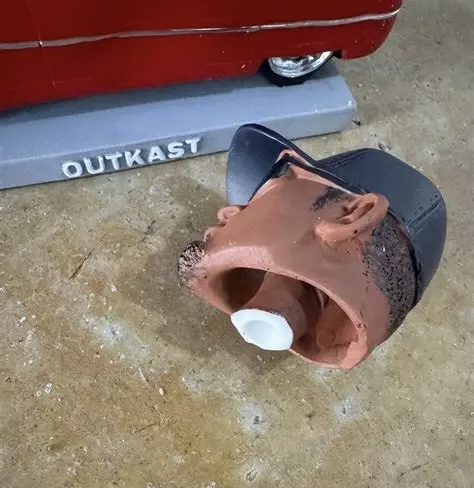
For most broken Bobblehead repairs, two-part epoxy is the strongest option for major joints, and cyanoacrylate super glue works well for small, clean breaks. Epoxy is ideal for reattaching a broken Bobblehead head or base, while super glue is great for tiny chips and accessories. Always check that the glue is compatible with resin or plastic and follow the curing instructions carefully so the repaired Bobblehead joint reaches full strength.
A slightly bent or stretched Bobblehead spring can often be straightened with needle-nose pliers and reused. If the spring is badly twisted, cracked, or broken, replacing it with a new spring of similar size and thickness is safer. After reinstalling, make sure the broken Bobblehead's head sits level and bobbles freely before gluing anything permanently, and adjust the spring position if needed.
For a broken Bobblehead arm or leg, clean the break, then drill small holes into both sides of the joint and insert metal pins (such as pieces of paperclip). Use epoxy to bond the pins and parts together, align the Bobblehead limb naturally, and let it cure. Fill any gaps with epoxy putty, sand smooth, and repaint to blend the repaired Bobblehead area with the original figure so the repair is barely noticeable.
A ceramic Bobblehead can be repaired similarly, but you must use glue specifically designed for ceramic or glass, often a strong epoxy or specialized ceramic adhesive. Ceramic breaks are usually sharp and clean, so precise alignment is essential. Take extra care when drilling or pinning ceramic Bobblehead parts, as the material can chip or crack more easily than resin, and work slowly to avoid new damage.
To protect a repaired Bobblehead, let all adhesives and paints cure fully, display the Bobblehead on a stable surface away from edges and high-traffic areas, and avoid rough handling. Use a display case or protective cover if possible, and always lift the Bobblehead by the base, not the head. Regular gentle dusting and avoiding direct sunlight and extreme temperatures will also help keep your repaired Bobblehead in good condition and reduce the risk of future breaks.
1. https://funkofunatic.com/viewtopic.php?t=58586
2. https://www.reddit.com/r/howto/comments/1f9zfmy/fix_my_bobblehead/
3. https://www.ennasgifts.com/a-news-what-kind-of-glue-to-use-on-resin-statue.html
4. https://forums.kitmaker.net/t/gluing-resin-together-so-that-it-stays-together/18737
5. https://www.loctiteproducts.com/ideas/fix-stuff/repairing-a-figurine.html
6. https://www.youtube.com/watch?v=x8Jt8TQzOZo
7. https://www.youtube.com/watch?v=b_FrrllTHqs
8. https://www.youtube.com/watch?v=TljlSfWta-A


