
Content Menu
● Planning Your Bobblehead Project
>> Decide the Style and Scale of the Bobblehead
>> Gather Reference Photos for the Bobblehead
● Choosing Materials and Tools for Bobblehead Sculpting
>> Recommended Materials for a Sculpted Bobblehead
>> Basic Sculpting Tools for a Bobblehead
● Building the Armature for the Bobblehead Body
>> Create a Simple Bobblehead Armature
>> Bulk Out the Bobblehead Body With Foil or Clay
● Sculpting the Bobblehead Head
>> Forming the Basic Bobblehead Skull Shape
>> Sculpting Facial Features on the Bobblehead
>> Hollowing and Structuring the Bobblehead Head
● Shaping and Detailing the Bobblehead Body
>> Defining the Bobblehead Torso and Limbs
>> Adding Clothing and Accessories to the Bobblehead
● Designing and Preparing the Bobblehead Spring Mechanism
>> Selecting or Making a Bobblehead Spring
>> Planning the Bobblehead Neck and Spring Connection
● Baking and Hardening the Bobblehead
>> Baking Polymer Clay Bobbleheads
>> Sanding and Smoothing the Bobblehead After Baking
● Installing the Spring and Assembling the Bobblehead
>> Attaching the Spring to the Bobblehead Body
>> Attaching the Bobblehead Head to the Spring
● Painting and Finishing the Sculpted Bobblehead
>> Priming the Bobblehead for Paint
>> Painting Skin, Hair, and Clothing on the Bobblehead
>> Sealing the Painted Bobblehead
● Displaying and Caring for Your Sculpted Bobblehead
>> Choosing a Base and Display Location
>> Cleaning and Handling the Bobblehead
● FAQ
>> 1. What is the best clay for sculpting a Bobblehead?
>> 2. How big should a Bobblehead head be compared to the body?
>> 3. Do I need a special spring for a Bobblehead, or can I use any spring?
>> 4. Can I sculpt a Bobblehead without an armature?
>> 5. How long does it take to sculpt and finish one Bobblehead?
Sculpting a Bobblehead is a fun way to turn a person, pet, or character into a playful, collectible figure with its own personality. A wellsculpted Bobblehead combines caricature, proportion, and simple engineering so the Bobblehead head moves freely while the Bobblehead body stays strong and stable. Whether you are a beginner working with clay or an experienced artist looking to add motion to your sculptures, learning how to sculpt a Bobblehead from scratch will open a whole new creative path.
In this guide, you will learn how to plan, sculpt, and assemble a Bobblehead step by step: from choosing materials and building the Bobblehead armature, to sculpting the Bobblehead head and body, installing the Bobblehead spring, and adding paint and finishing touches. By the end, you will understand the complete workflow behind a handmade Bobblehead and feel confident starting your own custom Bobblehead project.

Before you touch the clay, you should have a clear idea of what kind of Bobblehead you want to sculpt. Planning your Bobblehead design first will save time and prevent structural problems later.
Start by deciding whether your Bobblehead will be realistic or a caricature. A caricature Bobblehead exaggerates key features like the nose, hairstyle, or glasses, while a realistic Bobblehead aims for a closer likeness but still fits the bobble style. Think about the personality you want the Bobblehead to convey: serious, funny, sporty, or elegant, and choose a pose that matches that feeling.
Next, choose the scale. Many handsculpted Bobblehead figures are around 6–8 inches tall from base to top of the head. The Bobblehead head is usually larger than natural proportion, often about onethird to onehalf of the total Bobblehead height. This oversized head gives the Bobblehead its charm and ensures there is enough space inside for the spring cavity and bobble mechanism.
If you are sculpting a custom Bobblehead of a person, collect clear photos from the front, side, and threequarter angles. Pay attention to characteristic features that will make the Bobblehead recognizable: hairline, eyebrows, nose shape, jawline, beard, glasses, or accessories. For a sports Bobblehead, reference the uniform, team logo, and pose so you capture the energy of the character in Bobblehead form.
Print or display these references near your workspace so you can constantly compare your Bobblehead sculpture to the real subject. The more you study the references, the easier it will be to push the Bobblehead likeness in the right direction while still keeping the style playful and exaggerated.
The quality and durability of your Bobblehead depend heavily on the materials and tools you choose. Most artists use polymer clay or airdry clay for sculpting a Bobblehead, combined with a metal spring and simple hardware.
- Polymer clay for sculpting the Bobblehead head and body
- Aluminum or steel wire for the Bobblehead body armature
- Metal spring (or 3Dprinted spring) for the Bobblehead mechanism
- Epoxy or strong multisurface glue to secure the Bobblehead spring
- Acrylic paints for coloring the Bobblehead
- Matte, satin, or gloss varnish to seal the Bobblehead surface
- Wooden or resin base to support the finished Bobblehead
Polymer clay is popular because it stays workable until baked, gives fine detail for a Bobblehead face, and can be sanded and painted afterward. Airdry clay can also be used for a Bobblehead, but it may be more fragile and must dry slowly and evenly to avoid cracking.
- Clay knives and metal sculpting tools for shaping Bobblehead features
- Ball stylus tools for eyes, dimples, and small Bobblehead details
- Loop tools for hollowing out the Bobblehead head and body
- Rolling pin or pasta machine for flattening clay sheets
- Sandpaper and needle files for smoothing cured Bobblehead surfaces
- Small drill or pin vise to create holes for the Bobblehead spring and pins
Having a compact, sharp tool set will let you capture subtle wrinkles, hair textures, and clothing folds in your Bobblehead, which all help the final figure feel lively and expressive.
A good Bobblehead starts with a stable internal structure. The armature is a wire skeleton that supports the clay and defines the Bobblehead pose.
Cut lengths of wire to create a basic stick figure for your Bobblehead: one vertical wire for the spine and legs, and one horizontal wire for the shoulders and arms. Twist these wires together at the torso area to form a sturdy cross. Leave extra length at the bottom so you can anchor the Bobblehead armature into the base later.
Bend the arms into the desired pose: hands on hips, holding a bat, folded across the chest, or pointing. Make sure the Bobblehead body stance is balanced, with the feet roughly under the center of gravity. The head will be attached separately via the Bobblehead spring, so you do not need wire running up into the head itself.
Wrap the armature with aluminum foil to bulk out the core shapes of the Bobblehead body: chest, hips, and upper legs. This saves clay, reduces weight, and helps the Bobblehead bake evenly. Leave enough space at the shoulder and neck area where the Bobblehead spring will attach later.
Then, cover the foil with a thin layer of polymer clay, forming a basic body shape for the Bobblehead. At this stage, focus on proportions and silhouette rather than details. The Bobblehead body should look solid, slightly stylized, and big enough to visually support the oversized Bobblehead head.
The Bobblehead head is the star of the sculpture. It must be expressive, slightly exaggerated, and structurally designed to house the bobble mechanism.
Roll a ball of clay slightly larger than you think you need for the Bobblehead head. Flatten it lightly at the bottom where it will sit over the neck. Use your reference photos to compare the overall skull shape: is it round, oval, or more angular? Remember that a Bobblehead usually has a bigger head than the real person, so allow room for stylization and internal hollowing.
Lightly mark a vertical centerline and a horizontal eye line around the Bobblehead head. These guide lines help keep the eyes, nose, and mouth aligned as you sculpt. At this stage, the head should look like a smooth sphere or egg with simple guide marks.
Start by defining the nose and brow ridge. Add small bits of clay to build up the nose on the Bobblehead rather than carving it inward, which keeps the head stronger. Then gently press in the eye sockets using a ball stylus and add small clay spheres or ovals for the eyeballs if you want raised Bobblehead eyes.
Next, sculpt the mouth, cheeks, and jawline. For a caricature Bobblehead, exaggerate features slightly: a bigger smile, stronger jaw, fuller cheeks, or pronounced dimples. Add ears in the correct vertical range, usually between the eye line and the base of the nose. Constantly compare your Bobblehead to the reference to maintain likeness.
Finally, create the hairstyle or headgear. For hair, block out the major masses first, then add texture lines with a needle or rake tool. For a hat, helmet, or cap on the Bobblehead, pay attention to how it sits on the head and how it frames the face, because it will be a major part of the Bobblehead silhouette.
To make room for the Bobblehead spring and to prevent cracking during baking, the head must be hollow. Carefully slice off the bottom portion of the Bobblehead head and use a loop tool to scoop out clay from the interior, leaving walls roughly 5–8 mm thick. Remove enough clay so the Bobblehead head is lighter but still sturdy.
Inside the hollow head, create a shallow cavity or step where the Bobblehead spring will later attach. You can simply leave a deeper central hollow or plan to drill a specific hole after baking. The key is to ensure there will be enough space for the spring to move and for the Bobblehead head to tilt slightly in all directions.
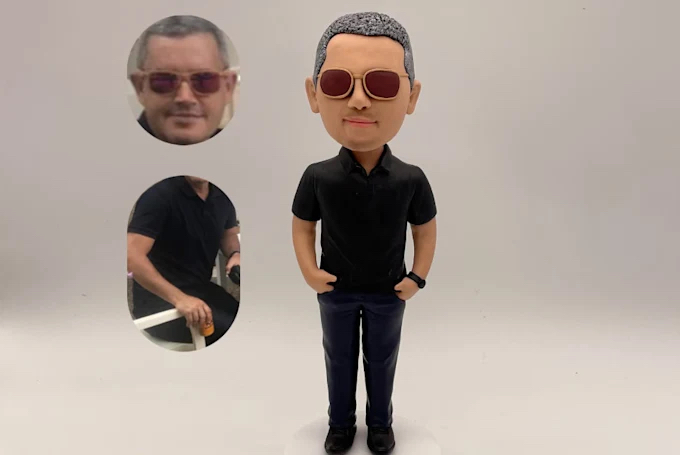
Once the head is shaped, return to the Bobblehead body and refine its forms and clothing. The body should complement the large head and support the overall character.
Use clay to refine the chest, waist, and hips of the Bobblehead. Decide on the clothing style: business suit, casual outfit, sports uniform, or costume. Sculpt broad shapes first, such as the jacket torso, sleeves, pant legs, or skirt, then add creases where fabric bends at elbows, knees, and the waist.
For arms and hands on the Bobblehead, keep proportions slightly simplified and sturdy, since thin, fragile fingers are more likely to break. Hands can be sculpted as closed fists, simple mitten shapes, or slightly detailed hands depending on your Bobblehead style. Make sure both arms support the pose and balance of the figure.
Add details like collars, cuffs, belts, pockets, buttons, and shoe soles to the Bobblehead body. For sports Bobbleheads, sculpt or plan to paint team logos, numbers, and stripes. Accessories such as microphones, balls, tools, guitars, or bags can help tell the story of your Bobblehead and strengthen its personality.
When adding accessories, consider how they attach. Build thicker connection points and avoid long, thin pieces that might snap. Everything on the Bobblehead should feel solid enough to survive gentle handling and movement.
The signature movement of a Bobblehead comes from its spring mechanism, which connects the head and body. A welldesigned spring allows the Bobblehead head to bobble smoothly without wobbling too wildly or hitting the shoulders.
You can purchase metal springs in various sizes, use a 3Dprinted bobble spring, or customwind a spring from appropriate wire. The spring must support the weight of the Bobblehead head while still flexing easily. If the spring is too stiff, the Bobblehead barely moves; if it is too soft, the head may sag or bounce excessively.
Test different springs with a similar weight (like a clay ball) to see how they behave. Aim for a spring that returns the Bobblehead head to center smoothly after a tap, without violent shaking or sluggish movement.
You need matching attachment points on both the Bobblehead body and the Bobblehead head. On the body, sculpt a short neck post or recessed cup where the spring will sit. On the head, ensure there is a compatible cavity or hole that grips the top of the spring.
Before baking, you can press a rod or temporary dowel into the neck area and head cavity to mark these positions. Remove the rod before curing the clay. After baking, refine the holes with a drill or sculpting tool so the Bobblehead spring fits snugly and aligns the head vertically over the body.
Once you are happy with the overall sculpt of the Bobblehead head and body, it is time to cure the clay so it becomes solid and ready for assembly.
Follow the manufacturer's instructions for your polymer clay, usually baking at a specified temperature for a certain time per millimeter of thickness. It is usually safest to bake the Bobblehead head and body separately so each piece bakes evenly and you can adjust them independently afterward.
Place the Bobblehead pieces on a baking tray lined with parchment paper or a ceramic tile, supporting fragile areas with scrap clay or fiber so they do not sag. Avoid overheating, which can darken the clay and weaken the material. Once baking is complete, let the Bobblehead parts cool slowly inside the turnedoff oven or at room temperature to reduce internal stress.
After the Bobblehead clay is fully cured and cooled, inspect the surface for rough patches, seams, and fingerprints. Use fine sandpaper and files to smooth these spots on the Bobblehead head and body. Work gently to avoid flattening sharp details.
If you notice small pits or defects on the Bobblehead, fill them with a tiny amount of epoxy putty or a patch of clay (if you plan to rebake), then sand again once cured. The smoother your Bobblehead surface is at this stage, the cleaner your paint job will look.
With the head and body sculpted and cured, you can now install the spring and bring your Bobblehead to life.
Refine the neck cavity in the Bobblehead body so it holds the bottom of the spring snugly. Add a small amount of epoxy or strong glue into the cavity and press the spring into place, keeping it straight and upright. Hold or support the Bobblehead body carefully until the adhesive begins to set.
When the glue has fully cured, test the spring by gently moving it with your fingers. It should be firmly anchored at the base and snap back to center without wobbling side to side in the body.
Align the top of the spring with the cavity inside the Bobblehead head. Testfit without glue to check height and freedom of movement. The Bobblehead head should hover above the shoulders with a small gap and be able to tilt slightly in all directions without scraping.
Once the fit is correct, apply a small amount of glue at the top of the spring or inside the head cavity, then press the Bobblehead head onto the spring. Hold the head facing straight forward while the glue grabs. Set the assembled Bobblehead aside in a safe, stable position while the adhesive cures fully.
When everything is cured, gently tap the Bobblehead head from different directions. It should bobble smoothly, return to center, and not collide with the body or base.
A wellsculpted Bobblehead comes to life with color. Painting adds realism, character, and detail to your Bobblehead sculpture.
If the clay color is uneven or if you have patched areas, apply a thin primer coat to the Bobblehead head and body. Primer creates a uniform surface and helps acrylic paint adhere better. Use a primer that is compatible with both polymer clay and your paint brand.
Allow the primer to dry thoroughly before moving on. Avoid heavy primer layers that might soften crisp Bobblehead details.
Begin with base colors: skin tone on the Bobblehead face and hands, primary clothing colors on the body, and basic hair color on the head. Work in thin acrylic layers, gradually building opacity. Use smaller brushes for Bobblehead eyes, eyebrows, lips, and fine lines.
Add shading and highlights to give volume to the Bobblehead: darker tones in eye sockets and under the chin, lighter tones on cheeks, nose bridge, and raised clothing folds. For sports or branded Bobbleheads, carefully paint logos, names, and numbers with a fine brush or paint pen, using your reference images as a guide.
Once the paint is completely dry, protect the surface with a clear varnish coat. Choose matte, satin, or gloss depending on the effect you want for the Bobblehead. Matte gives a natural look, satin adds a soft sheen, and gloss can make details like helmets, shoes, or accessories pop.
Spray or brush on the varnish in light coats, letting each layer dry before adding another if needed. This final seal helps protect the Bobblehead from dust, fingerprints, and minor scuffs during handling and display.
Your sculpted Bobblehead is now complete, but how you display and care for it will determine how long it stays in great condition.
Mount your Bobblehead on a stable base if you have not already. The base can be a simple wooden block, a themed platform, or a custom stand with engraved text or logos. Ensure the Bobblehead is securely attached so it does not topple when someone taps the head.
Display the Bobblehead away from direct sunlight, excessive heat, and moisture. These conditions can fade paint, warp materials, and weaken glue over time. A display case or glass cabinet offers extra protection for your Bobblehead against dust and accidental bumps.
Dust your Bobblehead regularly with a soft brush or microfiber cloth. Do not use harsh cleaners, strong solvents, or abrasive pads, as these can damage the paint and surface. When handling the Bobblehead, pick it up by the base or solid body, not by the head or spring, to avoid stressing the bobble mechanism.
With gentle care, a handsculpted Bobblehead can last many years as a unique piece of art, a personalized gift, or a memorable display item in your collection.
Learning how to sculpt a Bobblehead gives you the power to transform any person, pet, or idea into a playful, threedimensional character. By planning your design carefully, choosing the right clay and tools, building a solid armature, and patiently sculpting the Bobblehead head and body, you create a strong foundation for the bobble mechanism. Adding a properly sized spring, assembling the parts with care, and finishing with thoughtful painting and sealing completes the transformation from raw clay to expressive Bobblehead sculpture.
Once your Bobblehead is finished, proper display and gentle maintenance will preserve both the artwork and the bobbling motion. With practice, you will be able to sculpt Bobbleheads that capture likeness, personality, and humor, turning your sculpting skills into memorable gifts, unique collectibles, or even a small business built around custom Bobblehead art.
Contact us to get more information!
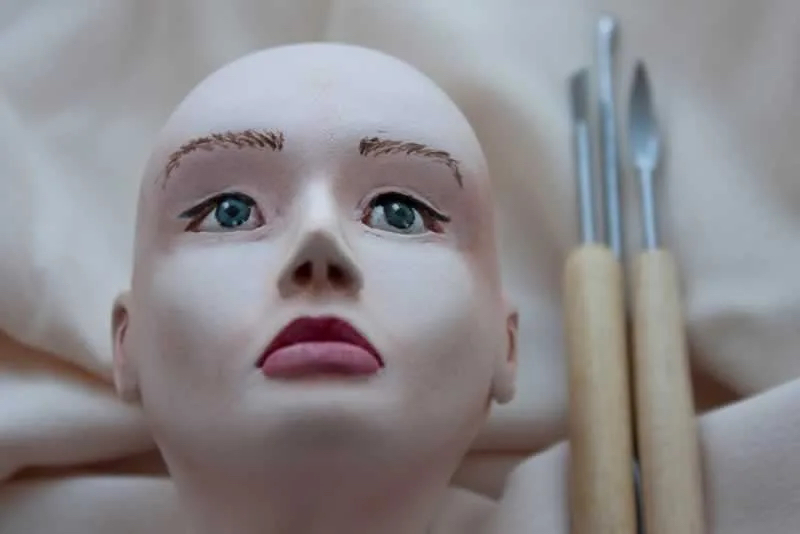
Polymer clay is generally the best choice for sculpting a Bobblehead because it holds fine details well, stays workable until baked, and becomes strong once cured. Brands designed for sculptors offer a good balance between firmness and flexibility. Airdry clay can also be used, but polymer clay gives more control for detailed Bobblehead faces and small accessories.
Most Bobblehead heads are intentionally oversized compared to the body to emphasize the bobble effect and the character's likeness. A common proportion is a head that is roughly onethird to onehalf of the total Bobblehead height. This allows enough space inside the head for the spring cavity while keeping the overall figure visually balanced and fun.
You do not need a brandname spring, but you do need a spring that matches your Bobblehead's size and weight. The spring must be strong enough to support the head while flexible enough to allow noticeable movement. Many artists test a few different springs with a clay test head until they find a spring that lets the Bobblehead move smoothly without sagging or hitting the body.
For very small Bobbleheads you might manage without an armature, but for most fullsize Bobbleheads an armature is strongly recommended. The armature supports the clay, prevents sagging during sculpting and baking, and helps the Bobblehead stand securely on its base. A simple wire skeleton inside the Bobblehead body makes the sculpture stronger and less likely to crack or break later.
The time required to sculpt a Bobblehead depends on your experience and the complexity of the design. A relatively simple Bobblehead might take several hours spread over a few days, including sculpting, baking, installing the spring, painting, and sealing. Highly detailed custom Bobbleheads with complex poses, accessories, and precise likeness can take significantly longer, but you will become faster and more confident with each Bobblehead you create.


