
Views: 222 Author: Mia Publish Time: 2026-02-15 Origin: Site
Content Menu
● The Earliest Roots of the Bobblehead
● Who Really “Invented” the First Bobblehead?
● The First Written Reference to a Bobblehead Like Figure
● From German Nodders to Modern Bobbleheads
● The Rise of Sports Bobbleheads
● How Bobbleheads Are Made Today
● Why Bobbleheads Are So Popular
● Collecting and Caring for Bobbleheads
● FAQ
>> 2. Who invented the first Bobblehead?
>> 3. When did Bobbleheads become popular in sports?
>> 4. What materials are used to make Bobbleheads today?
>> 5. Are Bobbleheads valuable collectibles?
The story of the Bobblehead does not begin with a single inventor but with centuries of evolving “nodding” figures that slowly became the modern Bobblehead we know today. From temple nodders in Asia to German ceramic figurines to Major League Baseball promotions, the Bobblehead is the result of global craftsmanship rather than one person's patent.
Throughout this article, the word Bobblehead will be used frequently to help collectors, fans, and search engines more easily find this guide on Bobblehead history and culture. At the same time, the goal is to keep the reading experience smooth, natural, and informative for anyone who wants to understand how the Bobblehead transformed from a simple nodding figure into a worldwide collectible phenomenon.

The roots of the modern Bobblehead go back to “temple nodders” created in Asia during the 17th and 18th centuries, often depicting Buddha or other religious figures with heads that gently nodded when moved. These early nodding figures were designed to appear almost alive, placed in temples and palaces where even small vibrations would make the head move and create a calming, rhythmic motion.
In many of these early designs, the head of the figure was larger than the body and attached by a hidden mechanism, allowing it to sway, tilt, or nod in response to movement or air currents. This basic mechanical concept is still at the heart of every modern Bobblehead. Although these ancient temple nodders were not called Bobbleheads at the time, they clearly established the idea of a decorative object whose charm lies in its animated, nodding head.
By the mid 18th century, European artisans had already begun copying these Asian nodding figures. Meissen and other porcelain factories in Germany and France produced luxury “nodders,” bringing the ancestor of the Bobblehead into aristocratic homes and royal collections. These porcelain nodders were often beautifully painted and finished with great detail, showing that even early versions of the Bobblehead concept involved fine craftsmanship and careful design.
Because nodding figures existed long before modern patents, branding, and global marketing, there is no single, named inventor of the first Bobblehead. Instead, historians usually point to several key milestones when discussing who “invented” the Bobblehead as we understand it today. The Bobblehead, in this sense, is not a sudden invention but the result of many small innovations over a long period.
One important group of early Bobblehead like creations came from temple artisans in China and other parts of Asia, who produced nodding religious figures in the 17th century. These objects used internal weights, joints, or balanced heads to create subtle, continuous motion. Another milestone appears in the late 18th and 19th centuries, when German workshops produced ceramic nodding dolls and animals that are widely considered direct ancestors of the modern Bobblehead.
A third major milestone occurred in the 20th century, when sports organizations, especially in the United States, began turning the Bobblehead into a mass market promotional item. In this sense, the people who “invented” the modern Bobblehead are the designers, marketers, and manufacturers who transformed a traditional nodding figurine into a recognizable and branded Bobblehead collectible, particularly in the world of professional baseball.
So, when someone asks “Who invented the first Bobblehead?”, the most accurate answer is that the Bobblehead emerged from a long evolution of nodding figures across cultures rather than from a single inventor. The Bobblehead is best understood as a shared creation shaped by artisans, factories, and brands over hundreds of years.
One of the oldest known written references to a Bobblehead style figure appears in the 1842 Russian short story “The Overcoat” by Nikolai Gogol. In this story, Gogol describes a character's neck as being like the necks of plaster cats that wag their heads, which scholars often recognize as an early description of a nodding figure similar to a Bobblehead.
This literary reference is important because it proves that Bobblehead like objects were already familiar enough to be used as a comparison in everyday language by the early 19th century. Even though the modern term Bobblehead was not used in the text, the image of a figure with a loose, wagging head shows that the basic idea was well known to readers of that time.
It also shows that the idea of a humorous or slightly ridiculous nodding figure has been part of popular culture for nearly two centuries. Long before sports teams handed out Bobbleheads at stadiums, the image of a nodding figure was already associated with lightheartedness, exaggeration, and character. In this way, Gogol's story connects the modern Bobblehead to a deeper literary and cultural tradition.
By the late 1700s and early 1800s, German factories were producing ceramic nodding animals and people for export, often called “nodders” or “bobbers” because of their distinctive movement. These early Bobblehead type figures were typically between 6 and 8 inches in height and used springs, hooks, or flexible connectors to let the head wobble freely above the body.
These nodders were popular as decorative objects and toys, featuring animals, children, clowns, and other playful characters. Some were produced in large quantities for export, making them an early example of how Bobblehead like figures became part of international trade and everyday home decoration. Collectors today often view these German nodders as highly desirable antiques and as important precursors to the modern Bobblehead.
In the 19th and early 20th centuries, German firms became particularly well known for whimsical nodding figurines, including children with oversized heads, teddy bears, Santa Claus figures, and other seasonal characters. These creations helped transform the Bobblehead concept from a religious or aristocratic novelty into a charming toy and decorative item for middle class households worldwide. When we look at a modern Bobblehead on a shelf today, we are seeing the continuation of this long tradition of playful nodding figures.
The true explosion of Bobblehead popularity occurred in the world of professional sports. Around 1960, Major League Baseball in the United States introduced a series of Bobblehead dolls made of papier mâché and imported from manufacturers in Asia. At first, these Bobbleheads represented each team with the same generic, cherubic face, simply changing the uniform colors and logos.
During the 1960 World Series, baseball launched some of the first player specific Bobbleheads for stars such as Mickey Mantle, Willie Mays, Roger Maris, and Roberto Clemente. Although these Bobbleheads still shared a similar face design, they featured different uniforms and details, allowing fans to recognize their favorite players. These early sports Bobbleheads quickly became cherished keepsakes and laid the foundation for the modern sports Bobblehead market.
As time passed, improvements in materials and production processes allowed Bobbleheads to become more detailed, durable, and expressive. By the late 1990s and early 2000s, many sports teams started to hold special Bobblehead giveaway nights, where fans could receive limited edition Bobbleheads as part of their ticket. This strategy turned the Bobblehead into a powerful promotional tool and reintroduced it to a new generation of fans.
Today, Bobbleheads are used across numerous sports, including baseball, basketball, football, and hockey. Teams and leagues produce Bobbleheads of star players, coaches, mascots, and historic moments. In many stadiums, Bobblehead nights are among the most popular promotions of the season, demonstrating just how deeply the Bobblehead has embedded itself in sports culture.
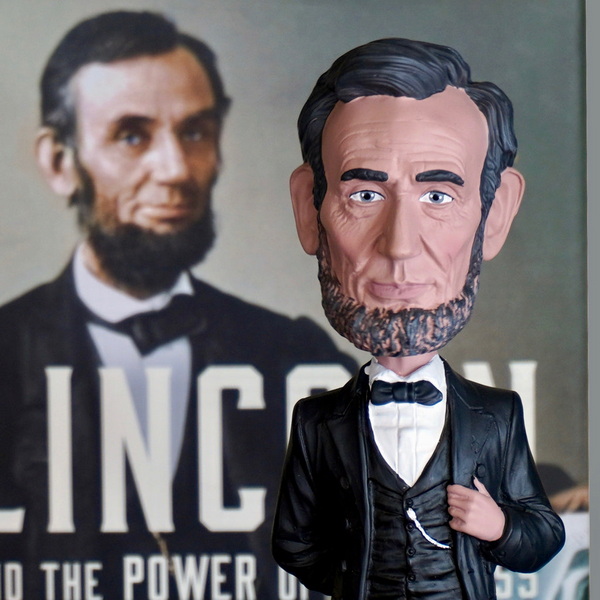
Modern Bobbleheads are typically produced using durable resins, plastics, or composite materials. These materials allow manufacturers to capture fine facial expressions, detailed uniforms, and intricate accessories while still preserving the classic bobbing head motion. The modern production process blends traditional sculpting skills with advanced industrial techniques.
In many cases, the process begins with a hand sculpted or digitally modeled prototype of the Bobblehead. Once the design is approved, molds are created so that multiple copies can be cast from resin or another base material. After casting, each Bobblehead figure is cleaned, sanded, and prepared for painting. Skilled workers then hand paint the Bobbleheads or use a combination of manual painting and automated methods to ensure accuracy and color consistency.
After painting, the head and body of the Bobblehead are assembled using a spring or flexible connector that allows the head to move. Quality control teams check each Bobblehead for defects in shape, paint, and movement. Finally, the finished Bobblehead is packaged for shipment, often in a protective box that includes branding, event details, or player information.
Modern Bobblehead factories frequently offer fully customized designs, allowing companies, clubs, and individual collectors to order Bobblehead versions of real people, mascots, or fictional characters. For industrial manufacturers and exporters, high precision molding, surface finishing, and quality control—similar to those used in other precise components—play an important role in achieving a smooth, consistent, and safe Bobblehead product.
Today's Bobblehead market is highly segmented, with many specialized niches that appeal to different audiences. Understanding these categories can help collectors choose their focus and help brands design Bobbleheads that resonate with their target customers.
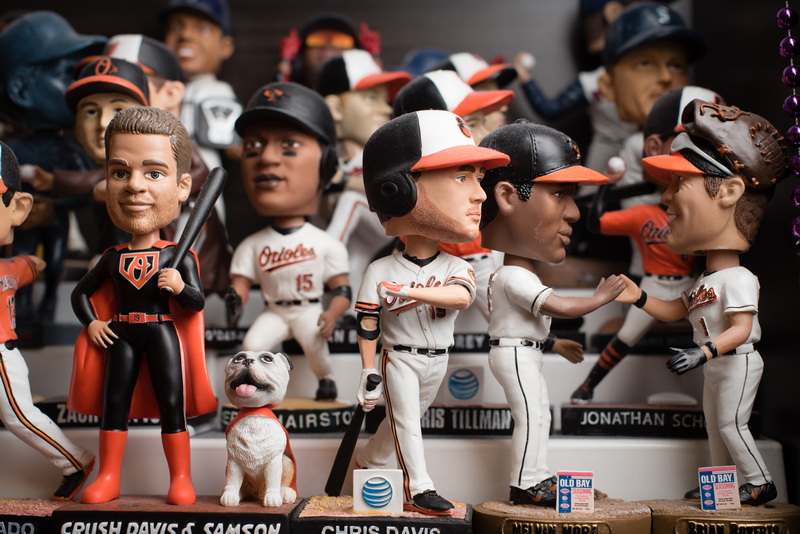
One of the most visible categories is the sports Bobblehead. Baseball, basketball, football, and hockey teams use Bobbleheads to celebrate star players, championship seasons, mascots, and historic plays. These Bobbleheads often become part of limited edition series that fans try to complete over many seasons.
Another major category consists of celebrity and musician Bobbleheads. Rock bands, movie characters, and television personalities frequently appear in Bobblehead form, making it easy for fans to display miniature versions of their favorite icons. These Bobbleheads may be sold at concerts, conventions, or online shops.
There is also a strong market for political and historical Bobbleheads. Political leaders, presidents, activists, and other historical figures are often turned into Bobbleheads for museums, campaigns, educational programs, and novelty gift shops. In these cases, the Bobblehead serves both as a collectible and as a conversation starter about history and public life.
Corporate and promotional Bobbleheads represent another growing category. Businesses across many industries commission custom Bobbleheads of founders, brand ambassadors, employees, or iconic products as promotional gifts or limited edition marketing tools. Finally, custom personal Bobbleheads have become extremely popular with individual consumers. By submitting photographs, customers can receive a Bobblehead that looks like themselves, a family member, or a friend, turning the Bobblehead into a unique personal gift.
The Bobblehead has a unique emotional appeal that combines humor, recognition, and collectability. When a fan holds a Bobblehead of a favorite athlete, celebrity, or character, the bobbing motion adds a lighthearted, almost interactive feeling that static figurines cannot match. The oversized head and simple movement give the Bobblehead an instantly recognizable and friendly personality.
Bobbleheads also work extremely well as limited edition giveaways and promotional items. Because each Bobblehead can be associated with a particular date, event, or milestone, fans often feel a sense of urgency to attend the event and secure their Bobblehead. This effect makes Bobbleheads a powerful marketing tool for sports teams, companies, and organizations of many kinds.
In addition, Bobbleheads have strong collectible value. Some collectors focus on one team or franchise, while others collect Bobbleheads from different sports, movies, or historical themes. Limited edition runs, serial numbers, and special variations all contribute to a vibrant secondary market in which certain Bobbleheads can become highly sought after.
From a design point of view, the Bobblehead offers a flexible platform. The same Bobblehead format can be used to represent a serious historical figure, a humorous caricature, or a cute mascot. This versatility, combined with the universal appeal of the bobbing motion, helps explain why the Bobblehead continues to thrive as a global collectible.
Serious Bobblehead collectors pay close attention to rarity, condition, authenticity, and packaging. Early sports Bobbleheads made of fragile papier mâché are especially prone to chipping and cracking, which makes well preserved examples much more valuable than damaged ones. In many cases, having the original box and packaging significantly increases the value of a Bobblehead.
To protect a Bobblehead collection, experts typically recommend displaying Bobbleheads away from direct sunlight, which can fade colors and damage certain materials. It is also wise to avoid excessive humidity or temperature swings that might cause warping, cracking, or mold. Shelves or display cases with stable surfaces help prevent Bobbleheads from falling and breaking.
Dusting Bobbleheads gently with a soft brush or cloth can keep them clean without damaging the paint. Harsh chemicals and rough cleaning tools should be avoided. For particularly valuable or fragile Bobbleheads, some collectors use display cases with glass doors or acrylic covers to reduce dust and accidental contact.
For enterprise buyers and brands, designing Bobblehead packaging that resists breakage is critical to preserve both the product and its collectible value. Sturdy boxes, internal supports, and carefully designed inserts help ensure that each Bobblehead arrives safely and can be stored long term without damage.
The modern Bobblehead does not have a single inventor but instead represents centuries of craftsmanship and creativity. From 17th century Asian temple nodders and European porcelain nodders to German ceramic figures and American sports promotions, the Bobblehead has evolved through many cultures, materials, and design approaches. Each stage of this journey contributed something new to the shape, movement, and meaning of the Bobblehead.
From the early literary reference in Gogol's “The Overcoat” to the 1960 Major League Baseball Bobbleheads and today's fully customized production lines, the Bobblehead has become a recognizable symbol of fandom, humor, and collectible culture. Whether used to honor athletes, portray historical figures, promote brands, or celebrate individual personalities, the Bobblehead continues to nod its way into homes and offices around the world.
For collectors, understanding this history adds depth and appreciation to every Bobblehead on the shelf. For manufacturers, marketers, and corporate buyers, it highlights why the Bobblehead remains such an effective and popular promotional item. In every case, the enduring appeal of the Bobblehead comes from a simple idea: a character brought to life by a gentle, unforgettable nod.
Contact us to get more information!
A Bobblehead is a figurine with an oversized head mounted on a spring or flexible connector so that the head “bobbles” or “nods” when touched or moved. Modern Bobbleheads typically depict athletes, celebrities, fictional characters, historical figures, or customized portraits and are widely collected as souvenirs, gifts, and promotional items.
There is no single known inventor of the first Bobblehead. Instead, Bobbleheads evolved from 17th century Asian temple nodders and 18th–19th century European and German ceramic nodders. The first widely recognized modern sports Bobbleheads appeared around 1960, when Major League Baseball commissioned team and player Bobbleheads that helped popularize the Bobblehead worldwide.
Bobbleheads first became a major sports phenomenon in 1960 when baseball teams introduced papier mâché Bobblehead dolls for each team and several star players. A second big wave of Bobblehead popularity occurred in the late 1990s and early 2000s, when teams relaunched Bobblehead giveaway nights with more detailed and durable designs, making Bobblehead events some of the most anticipated promotions of the season.
Most modern Bobbleheads are made from resin, plastic, or composite materials that allow precise sculpting and durable finishes. High volume Bobblehead production also involves metal springs, specialty coatings, and a combination of manual and automated painting technologies to maintain consistent quality, color accuracy, and long term stability.
Some Bobbleheads—especially early sports Bobbleheads, limited editions, stadium exclusive giveaways, or rare error versions—can be quite valuable among collectors. The value of a Bobblehead typically depends on rarity, condition, authenticity, character popularity, and demand for the specific event or figure represented. For many people, however, the personal or emotional connection to a Bobblehead is just as important as its market price.
1. https://www.bobbleheadhall.com/history/
2. https://en.wikipedia.org/wiki/Bobblehead
3. https://www.bobbleheads.com/history-of-bobbleheads
4. https://popculturespot.com/pages/history-of-bobble-heads
5. https://www.historyofdolls.com/history-of-famous-dolls/history-of-bobblehead/
6. https://www.creators.com/read/contemporary-collectibles/10/09/nodders-the-yes-men-of-the-doll-world
7. https://baseballhalloffame.ca/virtual-collection-bobblehead-dolls/
8. https://stuckeys.com/the-original-yes-men-a-brief-history-of-bobbleheads/
9. https://moorabool.com/2024/02/24/nod-if-you-like-antiques-a-collection-of-nodders-other-funny-things/
10. https://dollsmagazine.com/antique-qa-nodders/
11. https://www.smithsonianmag.com/travel/visit-worlds-only-bobblehead-hall-fame-and-museum-180972837/
12. https://www.overthemonster.com/red-sox-history/24480908/in-celebration-of-national-bobblehead-day-a-history-of-bobbleheads
13. https://www.nationalarchivesstore.org/collections/bobbleheads
14. https://jjpbr.tripod.com/id20.htm
15. https://www.youtube.com/watch?v=D9bKzvHcVVo


