
Views: 222 Author: Mia Publish Time: 2026-02-21 Origin: Site
Content Menu
● The First NBA Bobblehead: Chauncey Billups
● How Bobblehead Culture Came to the NBA
● Early NBA Bobblehead Giveaways: From Experiment to Trend
● How NBA Bobbleheads Are Manufactured
● The Role of Licensing and Major Manufacturers
● Why NBA Bobbleheads Became Status Symbols
● Collecting NBA Bobbleheads: Tips and Trends
● FAQ
>> 1. Who was the first NBA Bobblehead?
>> 2. Which team first used Bobblehead giveaways in the NBA?
>> 3. When did NBA Bobblehead giveaways become common?
>> 4. Are all NBA Bobbleheads officially licensed?
>> 5. What makes certain NBA Bobbleheads more valuable?
When fans ask “Who was the first NBA Bobblehead?”, they are usually surprised to learn that the answer is not Michael Jordan, Kobe Bryant, or another global superstar. The first officially documented NBA Bobblehead given away at an NBA game featured guard Chauncey Billups of the Minnesota Timberwolves, on December 7, 2000, in a matchup against the Washington Wizards. That promotion quietly marked the beginning of the NBA's Bobblehead era and paved the way for the massive Bobblehead culture that exists around basketball today.
Today, NBA Bobbleheads are an essential part of the league's fan experience. From classic stars to modern MVPs, from mascots to championship themes, the Bobblehead has become a key symbol of NBA fandom. To understand how this happened, we need to look at the first NBA Bobblehead, how NBA Bobblehead promotions spread, and how modern Bobblehead production and collecting work in the basketball world.

The honor of being the first NBA Bobblehead belongs to Chauncey Billups, then a guard for the Minnesota Timberwolves. On December 7, 2000, the Timberwolves hosted a Bobblehead giveaway night, handing out Billups Bobblehead dolls to fans attending the game against the Washington Wizards. At the time, Billups was not even the biggest star on the team—that role clearly belonged to Kevin Garnett—yet it was Billups who unintentionally made Bobblehead history.
In later interviews, Billups recalled that he had no idea this was the first NBA Bobblehead giveaway; he simply saw it as a sign that he was finally being appreciated by a team and a fan base. The original Billups Bobblehead featured a relatively simple design, and Billups even joked that he did not think the Bobblehead looked very much like him. Nevertheless, that small promotion marked the birth of NBA Bobblehead culture and showed how powerful a Bobblehead giveaway could be.
The Timberwolves went on to give away the first four player Bobbleheads in NBA history: Chauncey Billups, Terrell Brandon, Wally Szczerbiak, and Sam Mitchell. Kevin Garnett finally received his own Bobblehead in January 2001, slightly after those first four. From that point forward, Bobblehead nights slowly spread across the league as teams realized how much excitement and attention a single Bobblehead promotion could generate.
The NBA was not the first professional league to use Bobbleheads for promotions. Baseball teams led the way, especially after the success of the 1960s papiermâché Bobbleheads and the San Francisco Giants' 1999 Willie Mays Bobblehead giveaway, which is widely credited with launching the modern sports Bobblehead craze. These baseball promotions showed that fans would line up early, fill stadiums, and cherish Bobbleheads for years.
After observing how successful Bobblehead giveaways were in Major League Baseball, the Minnesota Timberwolves decided to experiment with their own Bobblehead promotions. They recognized that the Bobblehead could combine player recognition, team branding, and longterm fan engagement in a way that simple paper or fabric giveaways could not. The Chauncey Billups Bobblehead became the first test of this idea in the NBA.
Once teams saw that fans responded enthusiastically to Bobblehead nights, more franchises followed. Within a few seasons, Bobbleheads had become a standard part of the NBA's promotional toolkit, joining or replacing other giveaways like Tshirts, hats, and rally towels. The Bobblehead was unique because it combined branding, personality, and longterm presence; fans took their NBA Bobbleheads home, displayed them proudly, and often kept them for decades.
After the first Billups Bobblehead night in 2000, more NBA teams quickly joined the movement. Historical giveaway lists from team archives and Bobblehead museums show an increasing number of NBA Bobblehead promotions during the 2001–2002 season and beyond, with teams like the Denver Nuggets, Miami Heat, Utah Jazz, Indiana Pacers, Houston Rockets, Charlotte Hornets, and Phoenix Suns giving away Bobbleheads of players and coaches.
The Timberwolves built on the Billups giveaway with more Bobbleheads featuring Terrell Brandon, Wally Szczerbiak, and Sam Mitchell, while Kevin Garnett's first Bobblehead night became a significant event for fans. Other teams scheduled their own landmark NBA Bobblehead nights. The Indiana Pacers, for example, created Bobbleheads of Reggie Miller and coach Isiah Thomas, tying promotions to “Decade Games” and theme nights. The Denver Nuggets released Bobbleheads of franchise legends as they celebrated team history.
These early NBA Bobbleheads were relatively simple compared to today's detailed designs, but they achieved something important: they proved that basketball fans loved Bobbleheads just as much as baseball fans did. Over time, NBA teams refined their Bobblehead strategies, expanding from current players to mascots, retired legends, anniversary themes, and crosspromotional Bobbleheads with sponsors or charities.
Designing an NBA Bobblehead starts with a clear concept. It might be a current star, a retired legend, a mascot, or a special moment such as a championship, recordbreaking night, or jersey retirement. The design team begins with reference photos or video and creates a stylized representation of the player for the Bobblehead.
Most NBA Bobbleheads exaggerate the head slightly, giving it a larger size to emphasize facial features and enhance the Bobblehead effect. The body is sculpted in a recognizable basketball pose—shooting a jump shot, driving to the basket, dribbling, celebrating, or holding a trophy. Uniform details, including team colors and logos, must follow official NBA style guidelines supplied by the league and its licensing partners.
After initial sketches are approved, artists create a 3D model or a clay sculpt of the Bobblehead. This master sculpt is refined until it captures the likeness and style that both the team and the manufacturer want. During this stage, designers pay attention to details such as hairstyle, facial expression, jersey folds, sneaker designs, and even accessories like headbands or arm sleeves. Once approved, the sculpt is used to create molds for the head and body.
Specialedition NBA Bobbleheads sometimes include extra elements such as replica championship trophies, commemorative bases, arena backdrops, or lightup features. These design extras help distinguish premium or limitedrun NBA Bobbleheads from standard versions and can significantly increase collector interest.
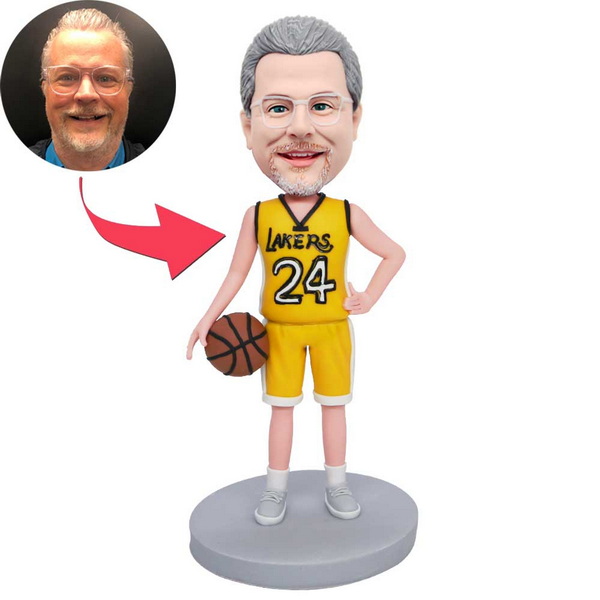
The manufacturing process for NBA Bobbleheads combines artistic craftsmanship with industrial efficiency. Once molds are ready, manufacturers cast the head and body in materials such as resin or plastic. Resin is especially popular because it captures fine detail, making it ideal for faces, uniforms, and accessories.
After casting, each Bobblehead piece is removed from the mold, cleaned, and sanded to remove seams or small defects. At this point, the unpainted NBA Bobbleheads already show their basic shape and pose, but they still lack the color and personality that fans recognize.
Painting is usually completed in several stages. First, base colors are applied to the uniform, skin, and shoes. Then, smaller details such as jersey numbers, team logos, hair, eyes, and tattoos are added by skilled painters using brushes, stencils, and sometimes padprinting techniques. Highquality NBA Bobbleheads show sharp lines, clear logos, and lifelike facial expressions.
Once painting is complete, the signature Bobblehead mechanism—usually a spring connecting the head and body—is installed. This connection is carefully adjusted so that the head can bob freely without being too loose or too stiff. Quality control teams then inspect the Bobbleheads, checking paint quality, structural stability, and bobble motion.
Finally, each NBA Bobblehead is packed in a protective box with internal supports to prevent damage during shipping and handling. Official NBA Bobblehead boxes often feature team artwork, player photos, logos, and event information, turning the package itself into part of the collectible experience. For limitededition NBA Bobbleheads, serial numbers or certificates of authenticity may be included.
Official NBA Bobbleheads are produced under license, which means manufacturers must sign agreements with the NBA, individual teams, or the players' association. These agreements govern how logos, wordmarks, and player likenesses can be used. They also ensure that a portion of the revenue returns to the league, the teams, and sometimes to charities endorsed by players.
Specialized sports merchandise companies produce many of the most popular NBA Bobbleheads, including championship Bobbleheads, mascot Bobbleheads, and special historical releases. The National Bobblehead Hall of Fame and Museum also collaborates with manufacturers to produce licensed NBA Bobbleheads that commemorate major milestones such as sixtime champions or anniversary teams. These partnership Bobbleheads often appeal to both team loyalists and Bobblehead collectors.
At the same time, there is a parallel market of custom and generic basketball Bobbleheads that do not use official NBA branding. These Bobbleheads may resemble basketball players in style and pose, but they avoid direct use of team logos or player names. They are popular for casual fans, youth teams, corporate events, and personalized gifts, though serious collectors usually focus on officially licensed NBA Bobbleheads for longterm value and authenticity.
Over time, NBA Bobbleheads have become more than just giveaways; they are now seen as status symbols within the league. When a player receives their first NBA Bobblehead, it often signals that they have reached a certain level of popularity or importance with their team's fan base. Many players view having their own Bobblehead night as a career milestone.
NBA Bobblehead nights are among the most anticipated promotional events of the season. Fans plan their schedules around these games, arrive early to secure their Bobbleheads, and share photos and videos on social media. Teams often design creative themes, such as retrouniform Bobbleheads, holiday Bobbleheads, or crossover Bobbleheads inspired by local culture. All of this contributes to a sense of hype and exclusivity.
Collectors view NBA Bobbleheads as a way to tell the story of a franchise. A shelf lined with Bobbleheads might represent decades of star players, coaches, mascots, and championship rosters. Limitededition NBA Bobbleheads, such as those tied to retired jerseys, playoff runs, or franchise anniversaries, often become centerpieces of a collection and carry emotional value far beyond their original retail price.
Collecting NBA Bobbleheads can be as simple as picking up a few favorite players or as complex as building a complete, erabyera history of the league in Bobblehead form. Many collectors begin with a Bobblehead from a memorable game they attended, then gradually add more NBA Bobbleheads from official team shops, online retailers, and secondary markets.
Several factors influence the value and appeal of an NBA Bobblehead:
- The popularity and legacy of the player or mascot
- The size of the production run and whether it was limited
- The condition of the figure and its original box
- The historical significance of the season or event it commemorates
- Whether the Bobblehead is part of a special series, such as championship sets or anniversary collections
To protect NBA Bobbleheads, collectors usually keep them away from direct sunlight and store them in stable, dustfree environments. Many collectors retain the original packaging, both to preserve the artwork and to maintain resale value. Shelving systems, glass cabinets, and themed displays help showcase NBA Bobbleheads while keeping them safe from falls or accidental damage.
In recent seasons, crossovers where NBA Bobbleheads are combined with other brands or cultural themes have further expanded the hobby. For example, teams may release superherothemed Bobbleheads, holiday editions, or collaboration Bobbleheads with local artists. These creative variations show how flexible the Bobblehead format can be and keep NBA Bobblehead collecting fresh and exciting.
The answer to “Who was the first NBA Bobblehead?” is clear: Chauncey Billups of the Minnesota Timberwolves, whose Bobblehead was given away on December 7, 2000, in the league's first official Bobblehead promotion. What began as a single giveaway in Minneapolis quickly evolved into a leaguewide phenomenon, turning NBA Bobbleheads into prized collectibles, powerful marketing tools, and symbols of player status and fan devotion.
From that first Billups Bobblehead to today's detailed, licensed NBA Bobbleheads celebrating stars, legends, and mascots, the Bobblehead has become an essential part of how basketball is celebrated and remembered. Each NBA Bobblehead carries a piece of league history and tells a story—of a player's impact, a team's success, or a special night at the arena.
Whether you are a casual fan with just one or two NBA Bobbleheads or a dedicated collector with shelves full of nodding figures, understanding the origins of the first NBA Bobblehead adds a deeper appreciation to every piece in your collection. As long as the game continues to thrill fans, NBA Bobbleheads will keep nodding along, season after season.
Contact us to get more information!
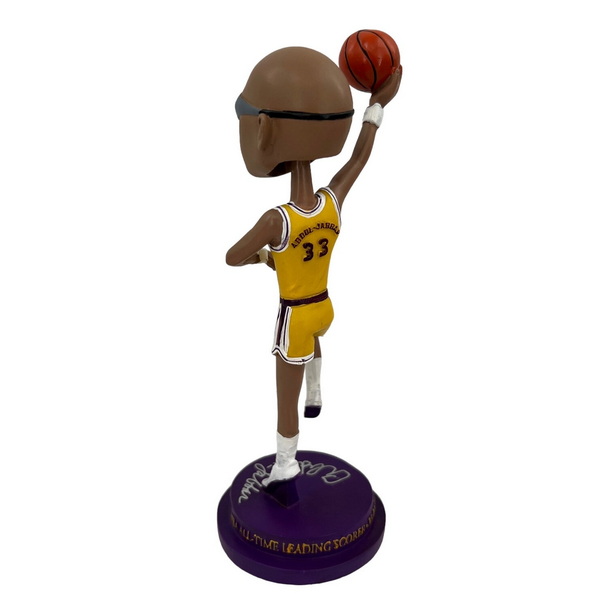
The first NBA Bobblehead given away at an NBA game featured Chauncey Billups of the Minnesota Timberwolves. The historic Bobblehead promotion took place on December 7, 2000, during a game between the Timberwolves and the Washington Wizards, making Billups the answer to “Who was the first NBA Bobblehead?”.
The Minnesota Timberwolves were the first NBA team to introduce Bobblehead giveaways, inspired in part by the success of Bobblehead promotions in Major League Baseball. After launching the Chauncey Billups Bobblehead, the Timberwolves also released Bobbleheads of Terrell Brandon, Wally Szczerbiak, and Sam Mitchell before other teams began adopting Bobblehead nights.
NBA Bobblehead giveaways increased rapidly after the 2000–2001 season. By the early 2000s, more teams were scheduling multiple Bobblehead nights each season. Historical giveaway lists show a growing number of NBA Bobblehead promotions involving stars such as Reggie Miller and other franchise icons by the 2001–2002 season and beyond.
Official NBA Bobbleheads are produced under license from the NBA, teams, or the players' association and feature authentic logos, uniforms, and player likenesses. However, there are also unlicensed or generic basketball Bobbleheads that do not use official team branding. Collectors who focus on authenticity and longterm value usually prioritize licensed NBA Bobbleheads from trusted manufacturers and official team stores.
Several factors influence the value of an NBA Bobblehead: limited production numbers, the popularity or legacy of the player, the importance of the event or season it represents, the condition of the figure and its box, and whether it was part of a special series or anniversary promotion. Early NBA Bobbleheads such as the Chauncey Billups giveaway, iconic stars, and championshipthemed Bobbleheads tend to be especially sought after by collectors.
1. https://www.espn.com/nba/story/_/id/28871258/bobbleheads-become-nba-biggest-little-status-symbol
2. https://www.bobbleheads.com/history-of-bobbleheads
3. https://www.bobbleheadhall.com/previous/
4. https://www.bobbleheadhall.com/chicago-bulls-six-time-nba-champions-bobblehead-unveiled/
5. https://en.wikipedia.org/wiki/National_Bobblehead_Hall_of_Fame_and_Museum
6. https://www.espn.com/mens-college-basketball/story/_/id/39350171/national-bobblehead-museum
7. https://cbs2iowa.com/amazing-america/bobbleheads-the-moving-history-of-these-curious-collectibles
8. https://wtov9.com/amazing-america/bobbleheads-the-moving-history-of-these-curious-collectibles
9. https://www.hotels4teams.com/the-fascinating-history-of-the-bobblehead-doll/
10. https://www.nba.com/pacers/news/pacers-announce-decade-games-bobbleheads
11. https://www.nba.com/pacers/news/fans-select-their-1990s-starting-five
12. https://www.edsullivan.com/nba-bobblehead-commercials-featuring-the-ed-sullivan-show/
13. https://www.youtube.com/watch?v=Uov4LtNkKZM


