
Views: 222 Author: Mia Publish Time: 2025-11-19 Origin: Site
Content Menu
>> Gathering Inspiration and References
>> Assembling Materials and Tools
● Step-By-Step Process for Making a Bobblehead Doll
>>> Step 2: Sculpting the Head and Body
>>> Step 3: Hollowing and Preparing for Assembly
>> Assembly and Bobble Mechanism
>>> Step 4: Attaching the Spring
>> Using Advanced Methods: 3D Printing and Molding
● Troubleshooting and Pro Tips
● Creative Applications for Bobblehead Dolls
● Bobblehead Dolls in Mass Manufacturing
● Packaging, Shipping, and Quality Control
● FAQ
>> 1. What is the best material for homemade bobblehead dolls?
>> 2. How do I ensure smooth bobble action?
>> 3. Can I mass-produce custom bobblehead dolls for my business?
>> 4. How long does it take to make a custom bobblehead doll?
>> 5. What designs work best for bobblehead dolls?
Bobblehead dolls are more than quirky collectibles—they're unique works of art, customizable gifts, and creative marketing solutions that bring smiles to collectors and businesses alike. The process of making a custom bobblehead doll blends sculpting creativity, mechanical design, and a touch of humor. Whether you want to immortalize a family member, brand mascot, or favorite celebrity, learning how to create your own bobblehead dolls is both rewarding and surprisingly accessible. This all-inclusive guide details each stage—from inspiration to professional finishes—so you can craft high-quality bobblehead dolls suited for gifting, branding, or personal fun.[1][2][4][5][6]

Every great bobblehead doll begins with a compelling idea. Most successful designs are based on clear visual references—collect high-quality photos from multiple angles emphasizing facial details, hairstyles, clothing, and signature poses. Sketch your rough design or use design software for initial visualization.
- For company branding, gather company logos, uniform details, and any mascot elements.
- For personal use, focus on memorable features—glasses, smiles, favorite sports, or hobbies.
Before sculpting, assemble these essentials:
- Polymer or air-dry clay (for sculpting head and body)
- Resin (for professional finishes or batch molds)
- Aluminum foil and strong wire (supports for head/body)
- Small steel spring (creates bobble action)
- Acrylic paints, brushes, and detailing pens
- Sculpting tools, toothpicks, and spatulas
- Super glue or two-part epoxy
- Paint sealer or varnish (optional)
- Oven (for baking polymer clay)
- Cutting mat, sandpaper, and cleaning supplies
Start with hand-drawn sketches or digital models. Highlight exaggerated features, fun clothing, and distinctive props. Use 3D modeling software if aiming for professional or repeated production.
- Roll aluminum foil into a firm, lightweight core for the head and body.
- Cover each core with clay or resin, building up the shapes.
- Sculpt key facial details with small tools. The head should be 1.5 to 2 times larger than the body for a classic bobblehead effect.
- Bake (polymer clay) or air-dry the parts as per product instructions.
[5][6][1]
- Hollow out the bottom of the head to make space for the spring (if not using a pre-designed print or mold).
- Drill or shape a hole in the top of the body and inside the head for secure spring attachment.
- Test spring fit for stability before moving to paint.
[2][1]
- Sand completed parts for smoothness.
- Apply a primer or base coat for vivid colors.
- Hand-paint the face, hair, uniform, and accessories using fine brushes. Airbrushing works for larger batches or smooth shading.
- Build up highlights, expressions, and details for a lifelike or charming result.
- Let paint dry between layers and finish with sealant for durability.
[6][1]
- Insert one end of the spring into the head cavity and the other into the neck opening on the body.
- Secure with super glue or epoxy. Hold still until the bond sets.
- Test the “bobble”: shake gently to ensure smooth, lively motion.
- Add any extras such as hats, glasses, props, or custom bases.
- Coat the assembled doll with varnish for a glossy, professional finish.
[1][6]
For business, batch production, or flawless detail, digital sculpting and 3D printing streamline the process.
- Design a 3D model (using CAD, Tinkercad, or ZBrush).
- Print shell parts for head and body in resin or PLA.
- Smooth, sand, and paint as above. Hollow the head for spring placement.
- For mass production, create a silicone mold from a hand-sculpted or printed master. Cast in resin for consistent results.
[7][2][1]
- If the head tilts or falls, upgrade to a thicker spring or reduce the head's weight by carving lightweight foam or hollowing more clay.
- Bubbles in resin can be prevented by slow, careful pouring and using a vacuum chamber for pro-level casts.
- Detailing too fine to sculpt can often be painted instead.
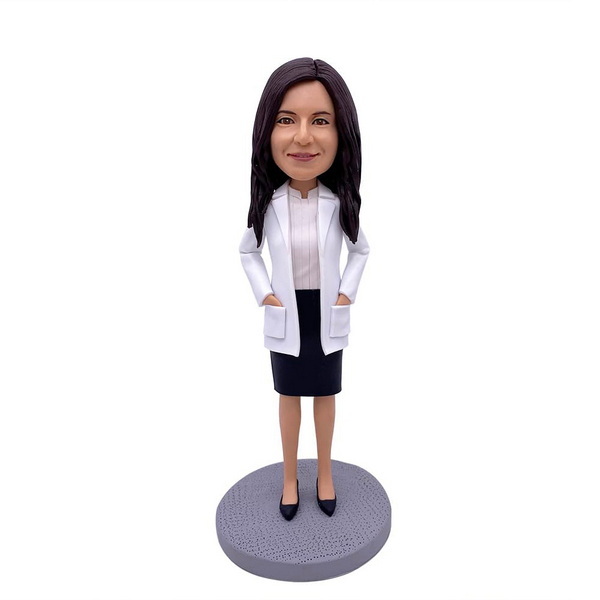
- Personal Gifts: Custom dolls for birthdays, weddings, graduations, and retirements.
- Business Promotion: Branded mascot dolls for giveaways, employee recognition, and event souvenirs.
- Sports and Fan Merchandise: Likeness of star athletes or fan mascots.
- Pop Culture and Art: Celebrity dolls, movie characters, or social influencers.
- Educational Use: Fun learning tools with custom character heads.
[4][7]
Professional bobblehead dolls makers follow a similar multi-step process, but with higher efficiency:
- Concept and Design Approval with Clients
- Prototype Sculpting (hand or 3D print)
- Creating Durable Silicone or Metal Molds
- Batch Resin or Plastic Casting
- Hand or Airbrush Painting
- Quality Control Inspection of Paint and Bobble Action
- Secure Packaging with Company Branding
- Global Shipping and Logistics[4][6][1]
Professional makers pack each doll in foam-lined boxes or branded cases, protecting the head and body from transit damage. Inspections confirm head motion, paint quality, and likeness before international delivery. For bulk orders, custom packaging is designed featuring the company's colors or event themes.
Crafting your own bobblehead dolls combines art, craftsmanship, and joyful engineering. Whether working by hand for a special gift, or commissioning a factory for mass production, the step-by-step process from inspiration, design, sculpting, spring mechanism, painting, final touches, and packaging brings creativity to life. As both playful collectibles and personalized promotional tools, bobblehead dolls offer long-lasting delight to individuals, families, and businesses alike—bridging moments and memories with every joyful nod.
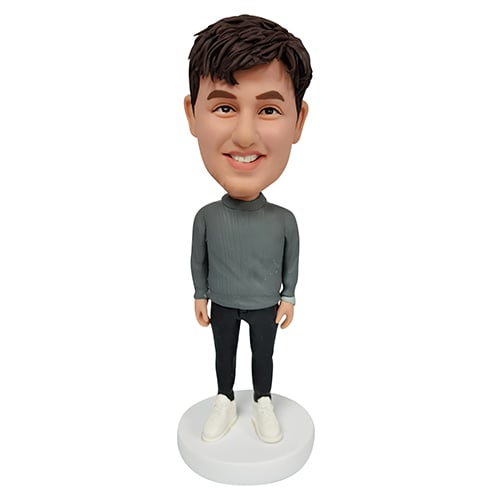
Polymer or air-dry clay is recommended for individual projects. Professional factories use resin or durable plastics for bulk runs.[5][6]
Test different spring types for proper fit, and hollow the head sufficiently to balance weight and movement for lively motion.[2][1]
Yes—provide clear images and specs to a professional factory specializing in branded dolls, offering bulk pricing, quality control, and global shipping.[6][1]
Handmade projects take 1–3 weeks; factory production (including molds and shipping) typically takes 3–5 weeks for large orders.[1][6]
Exaggerated heads, clear facial details, and distinctive outfits or props make the most memorable and collectible dolls; clarity in the concept phase is key.[4][1]
[1](https://omgbobbleheads.com.au/how-are-bobbleheads-made-a-step-by-step-guide/)
[2](https://www.instructables.com/3D-Printed-Bobblehead/)
[3](https://www.youtube.com/watch?v=RN9QVyJWMaE)
[4](https://www.bbobbler.com/8-steps-to-make-your-own-bobblehead-a-comprehensive-guide/)
[5](https://pressbooks.cuny.edu/mypage/chapter/step-by-step-guide-how-to-make-a-bobblehead-doll-with-your-kids/)
[6](https://coupleofthings.net/blogs/coupleofthings/%F0%9F%8E%A8-how-custom-bobbleheads-are-made-behind-the-scenes-of-a-mini-you)
[7](https://minifyme.co.uk/custom-bobbleheads-step-by-step-guide-on-how-they-are-made/)
[8](https://www.youtube.com/playlist?list=PL8jp-ILsGMYVqu2J2wGg7PNaBxmkh4x_U)


