
Views: 222 Author: Mia Publish Time: 2025-11-17 Origin: Site
Content Menu
● What Are Custom Bobbleheads?
● Step 2 — Design and Prototyping
● Step 3 — Sculpting the Prototype
● Step 5 — Casting and Base Materials
● Step 6 — Painting and Detailing
● Step 7 — The Bobble Mechanism
● Step 8 — Assembly and Quality Control
● Step 9 — Packaging and Fulfillment
● Custom vs. Commercial Solutions
● SEO and Content Strategy for Custom Bobbleheads
● Practical Tips for Hobbyists and Brands
● FAQ
>> 1.How long does it typically take to produce a custom bobblehead?
>> 2.What materials are commonly used for bobblehead construction?
>> 3.Can a bobblehead accurately resemble a person from photos?
>> 4.What are common price ranges for custom bobbleheads?
>> 5.How should bobbleheads be cared for to maintain appearance?
Custom Bobbleheads have long captured the imagination of fans, gift-givers, and brands alike. They turn a likeness into a tactile, whimsical keepsake that can celebrate a person, memorialize an event, or amplify a marketing campaign. This article walks through the end-to-end process—from concept and design to sculpting, molding, casting, painting, assembly, and quality checks—so readers understand what goes into a high-quality Custom Bobbleheads project. Along the way, practical tips help ensure accuracy, durability, and a finish that delights. Visuals are referenced as placeholders to be replaced with actual photos and short videos during final production.

Custom Bobbleheads are miniature figurines with oversized heads attached to the body by a spring or similar mechanism that allows the head to bobble when touched. They are popular as personalized gifts, awards, promotional items, and collectible desk companions. The core value lies in capturing a recognizable likeness while delivering a durable, visually appealing product. Materials commonly used include resin, polymer clay, silicone molds, springs, and sturdy bases. The finish can range from high-gloss to matte, with airbrushing and hand-painting adding realism. Branding elements such as logos and text bases can tailor each piece for corporate use.
A successful Custom Bobbleheads project starts with a clear brief. Collect high-quality reference photos from multiple angles, notes on facial features, hairstyle, clothing, and accessories, and any desired pose or base text. For brands, connect character attributes to brand identity, ensuring color palettes, logos, and typography align with guidelines. A well-prepared brief reduces iteration time and improves likeness accuracy. Include examples of desired expressions, clothing textures, and any required inscriptions or base text. Visual references help artists translate vision into a tangible sculpt.
Two main pathways exist: traditional hand-sculpting and digital design/3D printing. Hand-sculpting delivers nuanced expressions and tactile warmth, often favored for premium Custom Bobbleheads. Digital design, including 3D printing, enables rapid prototyping and tight tolerances, useful for mass customization or complex outfits. The prototype should establish proportions, pose, and overall silhouette before proceeding to molds. Proportions matter: the head is exaggerated for charm, but the neck and torso should align for stable support and natural bobbing motion. A well-structured design phase includes feedback loops with the client to refine features and accessories before committing to production tooling.
For hand-sculpted pieces, polymer clay or epoxy putty is shaped to resemble the reference. Important details include facial features, expressions, and texture for hair and clothing. The prototype may be created in one piece or as modular parts (head, torso, limbs) that are later assembled. If using 3D printing, captured geometry must be refined to ensure smooth surface finish and paint-friendly surfaces. After sculpting, the prototype is evaluated for likeness and pose, with adjustments made as needed. In boutique projects, more discrete details—like custom jewelry or branded apparel—can markedly enhance fidelity.
Mass production relies on durable molds. Silicone molds are favored for their flexibility and excellent detail capture, while metal molds may be used for very high-volume runs. A two-part mold (front and back) is common. Proper mold design ensures easy demolding, consistent features, and repeatable reproduction across many units. The mold is tested with sample casts, and any surface defects or scaling issues are corrected before full production. Mold maintenance and release agents help protect fine details and extend mold life.
Casting materials vary by project. Resin is a common choice for its light weight and strong detail; durable plastics can be cost-effective for larger runs. For some boutique pieces, polymer clay can be used directly in a hand-finished process. Each cast is trimmed and cleaned to remove flash, seams, or excess material. Weight and balance are considered to ensure the bobble mechanism performs reliably without tipping. The base design—whether simple, ornate, or branded—contributes to stability and display appeal.
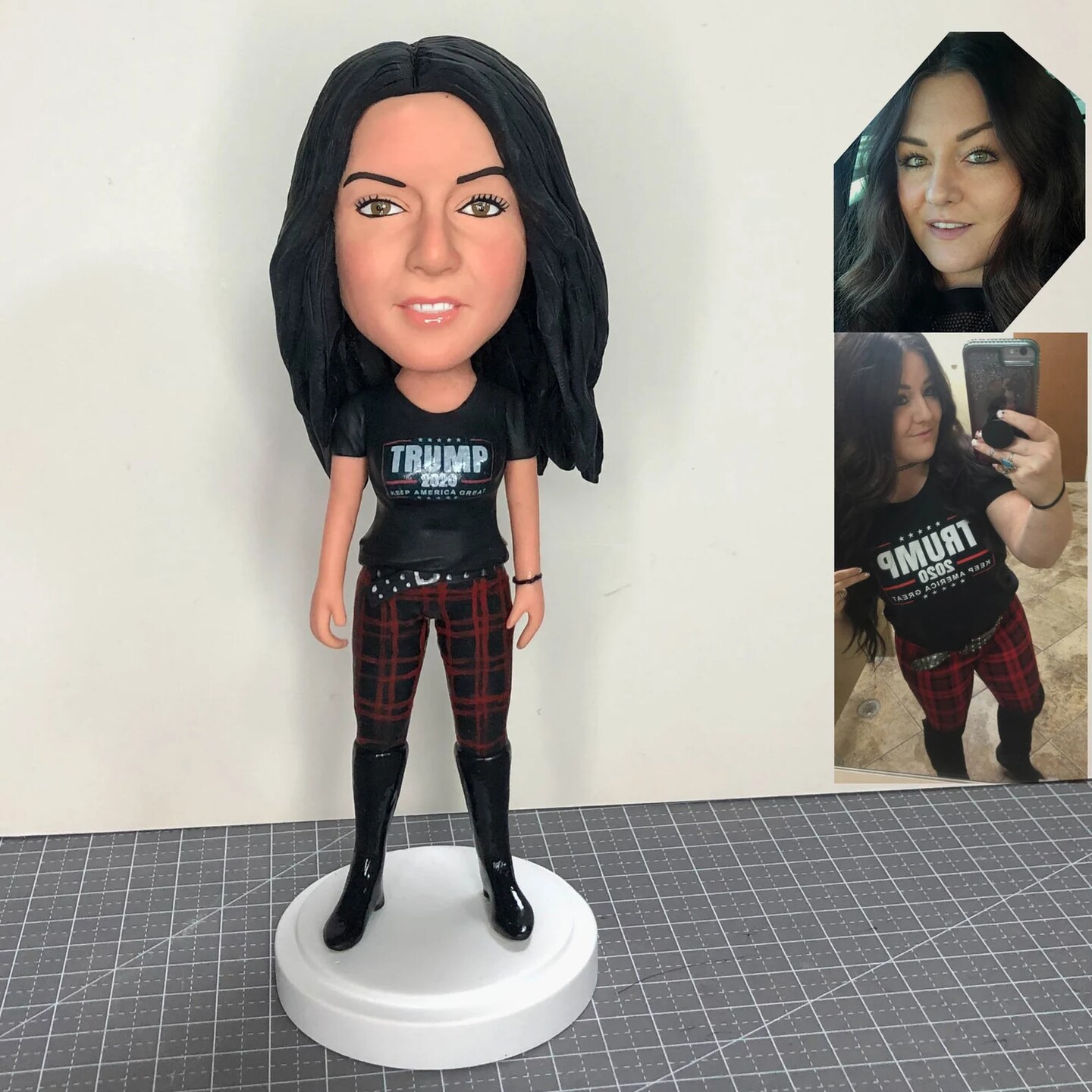
Painting brings the likeness to life. A typical workflow includes base skin tone, shading for depth, and precise detailing of eyes, hair, clothing, and logos. Airbrushing provides smooth transitions, while fine brushes handle tiny features like pupils and tiny accessories. Clear finishes—matte or gloss—protect the paint and enhance durability. When branding, accurate color matching and proper logo placement are essential. Protective sealants may be applied to guard against UV light and minor abrasion in daily use.
The bobble action is created with a spring or similar mechanism attached between the head and torso. A well-tuned spring allows a natural, controlled bobble without feeling flimsy or overly stiff. Some designers offer variations, such as fixed heads for display cases or adjustable tension for different display environments. Mechanical testing includes wobble range, ease of movement, and long-term durability. Proper installation minimizes the risk of loosening or misalignment over time.
Final assembly involves attaching the head to the body with the bobble mechanism, verifying alignment, and conducting functional tests. Quality Control (QC) checks scrutinize likeness accuracy, paint quality, joint integrity, and bobble performance. Any defects—misaligned features, paint bleeds, or loose connections—are addressed before packaging. Documentation of QC results supports traceability and customer assurance, especially for larger orders or brand collaborations.
Protective packaging minimizes risk during shipping. Custom packaging with branded elements, inserts, and care instructions can enhance the unboxing experience and reinforce branding. For international shipments, consider materials that resist moisture and temperature variations, plus labeling that complies with destination regulations. A well-planned packaging strategy also helps reduce damage rates and improves customer satisfaction in post-purchase experiences.
Choosing between custom and off-the-shelf bobbleheads hinges on purpose, budget, and timeline. Custom Bobbleheads offer personalized likeness, branding alignment, and unique accessory options, but may entail longer lead times and higher minimum orders. Commercial options are typically faster and cheaper but may sacrifice specificity. When opting for custom, establish clear IP considerations, approval milestones, and a realistic production schedule. A thoughtful vendor selection process includes evaluating artist portfolios, quality control procedures, and communication responsiveness to ensure alignment with project goals.
To maximize visibility, weave the keyword Custom Bobbleheads naturally across headings, meta descriptions, image alt text, and body content. Expand content with design options, material specifications, care guides, and case studies that demonstrate value. Use descriptive alt text for images, such as “Custom Bobbleheads design sketch” or “hand-painted bobblehead details,” to improve accessibility and SEO. A well-structured outline with clear sections helps search engines crawl and rank the article. Consider including sidebars with quick tips, a glossary of terms, and a short production timeline to add value and keep readers engaged.
- Hobbyists: Start with a reputable service, provide high-quality references, and set realistic expectations for likeness and timeline.
- Brands: Leverage customized packaging, limited editions, and collaborations with influencers to maximize impact.
- Care and maintenance: Avoid harsh chemicals; store in a cool, dry place; dust regularly with a soft brush.
- For all: Request detailed proofs and a clear production schedule; request sample casts before full runs when possible.
A thoughtful customization plan includes post-delivery support, such as replacement parts for bases or badges, to extend product life and brand engagement.
The journey from concept to collectible in Custom Bobbleheads blends craftsmanship with storytelling. Each step—sculpting, molding, casting, painting, and assembly—requires meticulous attention to proportion, likeness, and finish. A well-executed bobblehead becomes a cherished keepsake or a memorable marketing asset that sparks conversations and loyalty. By starting with a precise brief, assembling strong reference materials, and partnering with skilled artisans who translate vision into a durable, delightful bobbling figure, a compelling product emerges for individuals and brands alike.
Answer: Production timelines vary by complexity, volume, and artist workflow, but a standard custom order often ranges from 2 to 6 weeks from brief approval to delivery.
Answer: Common materials include resin for detailed casting, polymer clay for hand-sculpted accuracy, silicone molds for replication, and durable bases to support the figure. Finishes may be matte or gloss, with protective sealants.
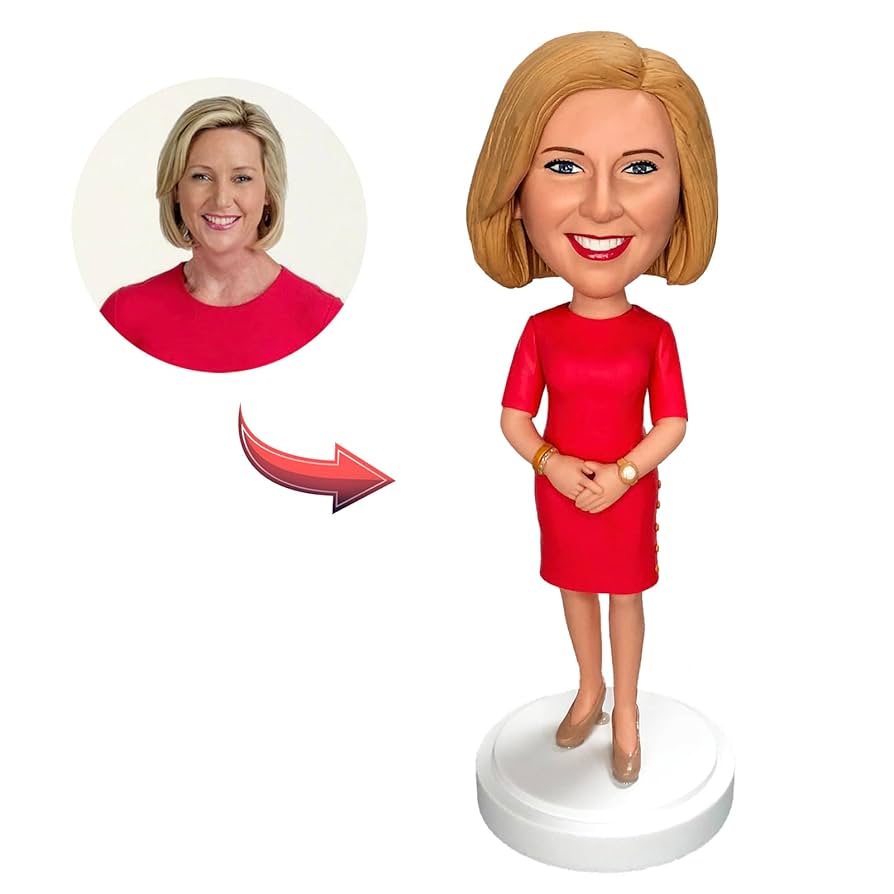
Answer: Yes, with high-quality reference photos (front and profile views), skilled sculptors and painters can achieve strong likenesses, though exact replication depends on image clarity and pose constraints.
Answer: Prices vary by detail, materials, and volume. Individual, hand-sculpted pieces with premium finishes typically command higher prices, while mass-produced variants are more cost-effective for larger orders. Obtain a quote based on brief specifics.
Answer: Keep them away from direct sunlight and moisture, dust gently with a soft brush, and use a mild cleaner on painted surfaces if needed. Store on a stable surface to avoid tipping and handle with care to preserve the bobble mechanism.
[1](https://omgbobbleheads.com.au/how-are-bobbleheads-made-a-step-by-step-guide/)
[2](https://www.bbobbler.com/how-are-bobble-heads-made/)
[3](https://www.linkedin.com/pulse/your-complete-guide-custom-bobblehead-production-from-ngymc)
[4](https://coupleofthings.net/blogs/coupleofthings/behind-the-scenes-how-custom-bobbleheads-are-made)
[5](https://www.amazingbobbleheads.com/page/howitworks)
[6](https://www.instructables.com/3D-Printed-Bobblehead/)
[7](https://www.my3dselfie.com/blogs/news/a-step-by-step-guide-to-making-your-own-bobblehead)
[8](https://www.youtube.com/watch?v=RN9QVyJWMaE)
[9](https://www.bobbleheads.com/how-to-build-a-bobblehead)
[10](https://minifyme.co.uk/custom-bobbleheads-step-by-step-guide-on-how-they-are-made/?srsltid=AfmBOoqjXs-y2RsK9jefV3TePaMQGWRUkYvSOkwe75cgQrEA4fpqOFiJ)


