
Content Menu
● How To Handle Your Bobblehead Safely
>> Always Hold the Base, Not the Head
>> Limit Handling of Rare Bobblehead Pieces
● Choosing the Right Location for Your Bobblehead
>> Keep Bobblehead Away From Direct Sunlight
>> Control Temperature and Humidity
>> Protect Bobblehead From Dust and Pollutants
>> Avoid High-Traffic and Vibration Areas
● Best Display Solutions to Protect Bobblehead
>> Use UV-Protected Acrylic Display Cases
>> Stabilize the Base of the Bobblehead
>> Avoid Overcrowding Your Bobblehead Shelf
>> Invest in Purpose-Built Bobblehead Cabinets
● How To Clean and Maintain a Bobblehead
>> Avoid Strong Chemicals on the Bobblehead
>> Check the Bobblehead Spring and Joints Regularly
>> Repair Minor Bobblehead Defects Quickly
● How To Store Bobblehead Collections Safely
>> Keep Original Bobblehead Boxes When Possible
>> Use Bubble Wrap and Soft Padding
>> Store Bobblehead Figures Vertically
>> Label Boxes Clearly and Avoid Heavy Weight on Top
● How To Ship or Move a Bobblehead Without Damage
>> Double-Box Technique for Bobblehead Shipping
>> Wrap Bobblehead Snugly to Prevent Movement
>> Fill All Voids Around the Bobblehead
>> Use “Fragile” and Orientation Labels
>> Extra Tips for Moving a Large Bobblehead Collection
● Protecting Bobblehead Collections From Children and Pets
>> Place Bobblehead Displays Out of Reach
>> Use Lockable Display Cases for High-Value Bobblehead Items
>> Teach Family Members How to Respect the Bobblehead Collection
● Long-Term Preservation Tips for Bobblehead Investors
>> Document Each Bobblehead and Its Condition
>> Insure Valuable Bobblehead Collections
>> Plan for the Future of Your Bobblehead Collection
● FAQ
>> 1. How often should I clean my Bobblehead?
>> 2. Can I display my Bobblehead next to a window?
>> 3. What is the safest way to move a large Bobblehead collection?
>> 4. Are acrylic cases really necessary for Bobblehead protection?
>> 5. What should I do if the spring on my Bobblehead is bent?
Bobblehead collecting is a fun hobby, but every Bobblehead is also a fragile piece of personalized art that needs serious protection to stay in perfect condition. From the moment your Bobblehead leaves the manufacturer to daily display, storage, and cleaning, every step matters. When you understand the weak points of a Bobblehead and follow a few simple rules, you can enjoy your collection for many years without cracks, chips, or faded colors.
The typical Bobblehead has a narrow spring neck, a relatively heavy head, and a small base, which makes it naturally unstable and vulnerable to impact. Repeated shocks or wrong handling can warp the spring, crack the neck, or chip the paint of the Bobblehead permanently. For collectors, every damaged Bobblehead is not only a visual loss but also a loss of potential investment value. That is why good protection is just as important as buying the Bobblehead itself.
If you treat each Bobblehead like a small sculpture instead of a toy, you will naturally start to handle, display, clean, store, and ship it in a more professional way. The following sections will walk you step by step through how to protect any Bobblehead, whether it is a free stadium giveaway or a rare limited-edition custom Bobblehead.

A Bobblehead looks playful, but you should never lift it by the head or the spring because that is the weakest area of the figure. Always support the Bobblehead by gripping the base with one or both hands so the spring does not bear the weight. When you move a Bobblehead from shelf to shelf, pretend it is a glass cup: slow movements, firm grip on the lower part, and no swinging. This simple habit will prevent many accidents and keep the Bobblehead neck straight.
Aggressively shaking a Bobblehead to see it bobble can stretch the spring and cause misalignment or even breakage. A gentle tap on the head is enough to make the Bobblehead move and still keep the spring mechanism healthy for the long term. If friends or children like to play with your Bobblehead, remind them that it is a collectible, not a toy, and demonstrate the correct, gentle way to make the Bobblehead move.
Skin oils, sweat, and dirt from your hands slowly damage the painted surface of a Bobblehead and can leave visible fingerprints or stains. Before touching or repositioning a Bobblehead, wash and dry your hands or wear soft cotton or nitrile gloves to keep the surface clean. Clean handling is especially important for white or light-colored Bobblehead figures, which show dirt more easily and can turn yellow or gray over time.
The rarer and more valuable the Bobblehead, the less often it should be handled or moved around in daily life. Place limited-edition Bobblehead figures into a stable position in a case and avoid constant repositioning to reduce risk. You can always photograph or film a rare Bobblehead for social media instead of moving it every time you want to show it to someone. This keeps the Bobblehead safe while still giving you content for your community.
Direct sunlight can fade the paint, discolor the plastic, and weaken the adhesive of a Bobblehead over time. Even an hour or two of strong sunlight every day will slowly damage bright colors, autographs, and decals on your Bobblehead. Place your Bobblehead collection away from open windows or use curtains, blinds, or UV-filtering glass on display cabinets to block harmful rays. A consistent, indirect light source is much safer and still lets your Bobblehead look great.
Extreme heat can warp plastic or soften glue, while extreme cold can make a Bobblehead more brittle and prone to cracks. Ideally, Bobblehead figures should be kept in a stable, climate-controlled room where temperature and humidity stay in a moderate, comfortable range. Avoid placing Bobblehead displays near radiators, heaters, air conditioning vents, or fireplaces. If you live in a very humid region, consider using a small dehumidifier in the room where your Bobblehead collection is stored.
Open-shelf Bobblehead displays collect dust quickly, which dulls colors and increases the risk of scratches when you try to wipe it off. A closed display case or acrylic box helps keep each Bobblehead dust-free and reduces the need for frequent cleaning. Dust is not the only problem: smoke, kitchen grease, and other airborne pollutants can stick to a Bobblehead surface and be very hard to remove. Keeping your Bobblehead away from kitchens and smoking areas will help preserve the finish.
If a Bobblehead sits on a narrow shelf near a door, a TV, or a staircase, vibration and passing traffic can slowly walk it toward the edge. Over time, this movement can lead to a sudden fall and serious damage. Choose deep, stable shelves or cabinets for your Bobblehead and keep them away from speakers, slamming doors, or heavy foot traffic. If the Bobblehead is displayed in a public area, consider adding a low protective lip to the front of the shelf to prevent accidental falls.
Acrylic display cases with UV protection shield a Bobblehead from dust, accidental touches, and most of the damaging light. Many Bobblehead display cases also include a mirrored back so you can enjoy the full 360-degree view while still keeping the figure safe inside. For signed Bobblehead items, a UV-protected case is especially important because direct light can cause signatures to fade much faster than normal paint.
If a Bobblehead has a small or uneven base, it can wobble dangerously on a glass or wooden shelf. You can secure the Bobblehead by using non-slip pads, museum putty, or double-sided reusable gel under the base so it resists sliding or tipping. This is particularly useful if you live in an area with minor vibrations or occasional earthquakes. A stable base keeps the Bobblehead in place and reduces the chance of chain reactions where one falling Bobblehead knocks over others.
Placing too many Bobblehead figures tightly side by side increases the chance of paint transfer, collisions, and chain-reaction falls. Leave a small gap between each Bobblehead so you can reach any figure without bumping others out of position. Think of your shelf as a gallery, not a warehouse: a clean, organized row of Bobblehead pieces looks better and is much safer than a crowded, unstable line.
Serious collectors often use furniture-style cabinets specifically designed to display and protect multiple Bobblehead figures. These cabinets typically include adjustable shelves, UV-protected glass doors, and lockable doors to keep Bobblehead pieces away from children or pets. A dedicated Bobblehead cabinet also makes it easier to maintain a consistent environment for your collection and gives your room a professional, museum-style appearance.
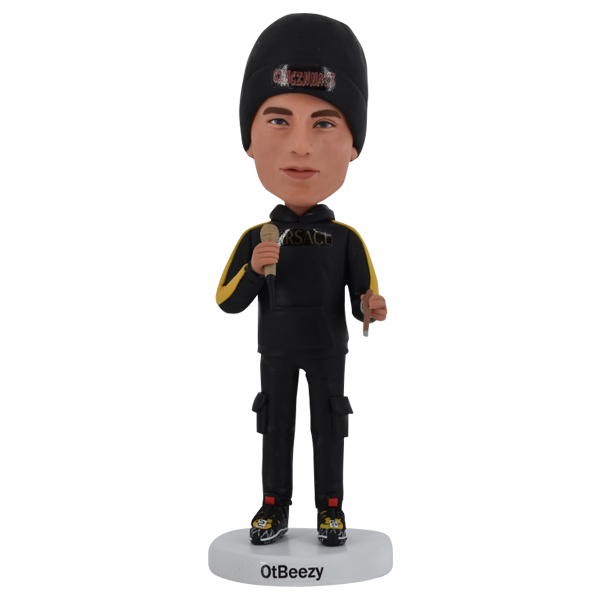
Cleaning a Bobblehead with rough fabric or stiff brushes can scratch its surface or pull small parts off. Choose a soft microfiber cloth, a soft makeup brush, or a can of compressed air to remove dust from the Bobblehead gently. Always start with the lightest method, such as blowing away loose dust or using a soft brush, before touching the Bobblehead with any cloth.
Harsh cleaners, alcohol, and strong solvents can remove paint or cloud the finish of a Bobblehead permanently. For most Bobblehead figures, a slightly damp cloth with mild, pH-neutral soap is enough; then dry immediately with a soft dry cloth. Never soak a Bobblehead in water or spray cleaners directly on it, because liquid can enter gaps around the spring or base and weaken the internal structure. Always test any cleaning method on a small, hidden area first if you are not sure.
With time, the spring mechanism under the Bobblehead head can loosen or become misaligned. Periodically inspect your Bobblehead for wobbling, leaning, or loose parts and repair or stabilize early before damage spreads. If the head starts to lean to one side, you may need to adjust the position of the Bobblehead or add more support around it to prevent further stress on the neck.
Small chips, tiny cracks, or slightly bent springs are easier to fix if you react immediately. Use hobby-grade glue and fine paint to correct minor Bobblehead problems, or consult a professional restorer for rare pieces to avoid making damage worse. Never rush a repair when you are tired or in a hurry, because one wrong move can cause a bigger crack or a broken part. Taking your time with a small Bobblehead repair can save you from needing a full restoration later.
Factory boxes for a Bobblehead are usually shaped to fit the figure and include foam or plastic inserts that stabilize it during movement. Whenever you need long-term storage, place the Bobblehead back into its original box to get maximum protection and preserve resale value. Keeping the box, inner packaging, and any paperwork together also helps if you ever decide to sell or trade the Bobblehead, because complete sets are more attractive to buyers.
If a Bobblehead no longer has its original packaging, wrap it in bubble wrap, foam, or soft cloth before placing it in a box. Make sure the Bobblehead has no exposed areas where parts could rub against the cardboard or other objects during storage. It is best to wrap the head and spring area with a bit of extra protection, so the Bobblehead does not rock inside the padding. Do not tape directly on the Bobblehead surface, because adhesive can peel off paint.
When storing multiple Bobblehead pieces together in boxes, the safest position is generally upright with each figure standing on its base. Vertical storage reduces the risk of Bobblehead heads pressing against each other and prevents unnecessary pressure on the neck springs. If you must lay a Bobblehead on its side, make sure there is generous padding under the head and neck, and never place heavy items on top of the figure.
Boxes containing Bobblehead collections should always be marked as “Fragile” and “This Side Up” so people handle them carefully. Never stack heavy boxes or objects on top of Bobblehead storage cartons, as the weight could crush the inner packaging. When organizing a storage room, place Bobblehead boxes on upper shelves or on top of lighter boxes to minimize pressure and reduce the chance of moisture damage from the floor.
When shipping a Bobblehead, place the figure (in its inner box with cushioning) inside a slightly larger outer box with more padding around it. This double-box strategy helps absorb shocks during transport and keeps the Bobblehead safe from crushing or punctures. The space between the inner and outer boxes should be filled with protective material so the inner box does not move.
Movement inside the box is one of the biggest risks for any traveling Bobblehead because repeated bouncing stresses the spring and base. Use bubble wrap, foam, or even plastic wrap to hold the Bobblehead securely so it cannot slide or rotate during shipping. Imagine shaking the box gently before sealing it: if you feel anything moving, you need more padding around the Bobblehead.
Any empty space in a shipping box allows a Bobblehead to build momentum and hit the walls of the box. Fill all voids using packing peanuts, crumpled paper, or foam so the Bobblehead remains locked in position. For especially fragile Bobblehead items, consider using molded foam inserts or custom-cut foam to surround the figure on all sides.
Clear “Fragile” and “This Side Up” labels on the outer box encourage handlers to treat Bobblehead shipments more carefully. While labels cannot guarantee perfect treatment, they often reduce rough handling and accidental upside-down placement for Bobblehead packages. If you ship very valuable Bobblehead figures, think about using a service that offers extra insurance and tracking.
When moving to a new home, pack each Bobblehead separately and organize them by series or team so you can unpack systematically. Keep an inventory list of which Bobblehead items are in which box, so you do not have to open every box to find a specific figure. During the move, transport the most valuable Bobblehead boxes in your own vehicle instead of putting them in a crowded moving truck when possible.
Curious children and pets love to touch or knock over moving objects, which makes an exposed Bobblehead an easy target. Install Bobblehead display shelves high on the wall or use closed cabinets where children and pets cannot reach them. If your family often hosts visitors with small children, a lockable or closed Bobblehead display is a smart long-term choice.
If your Bobblehead collection contains rare, signed, or custom pieces, consider a lockable case with glass or acrylic doors. Lockable cases add a layer of physical protection against accidental opening and keep Bobblehead figures safe during parties or family gatherings. They also discourage casual handling and remind everyone that your Bobblehead collection is valuable.
Explain to children and other family members that each Bobblehead is a collectible and can be damaged easily. Show them how the Bobblehead moves and why they should not pull the head or twist the spring. When everyone in the house understands the rules, your Bobblehead figures will face less risk from everyday curiosity.
Collectors who view each Bobblehead as an investment should maintain photos and notes that describe the original condition and any changes over time. This documentation helps you track damage, plan restoration, and prove condition if you ever resell a Bobblehead. Keep digital folders arranged by team, series, or year, and back up your records so you never lose the history of your Bobblehead collection.
For large or high-value Bobblehead collections, insurance coverage may protect against fire, theft, or major accidents. Talk with your insurance agent about adding your Bobblehead collection to your home policy or creating a separate policy for collectibles. Keep receipts, photos, and appraisal documents organized so you can prove the value of each Bobblehead in an insurance claim.
If you have spent many years building a special Bobblehead collection, think about what you want to do with it in the long term. Some collectors plan to pass their Bobblehead figures to family members, while others decide to sell or donate them. In any case, better protection today means your Bobblehead items will still look impressive and valuable whenever that time comes.
A well-protected Bobblehead is more than a decoration; it is a collectible with emotional and sometimes financial value that deserves careful treatment. By choosing safe locations, using protective cases, cleaning gently, and packing or shipping each Bobblehead correctly, you can keep your entire collection looking fresh and damage-free for many years. Whether you own one special Bobblehead or hundreds of custom Bobblehead pieces, applying these simple guidelines will greatly reduce the risk of cracks, chips, fading, and broken springs. In the end, protecting your Bobblehead collection is not complicated: it is about consistency, attention to detail, and treating every Bobblehead like a small work of art.
Contact us to get more information!
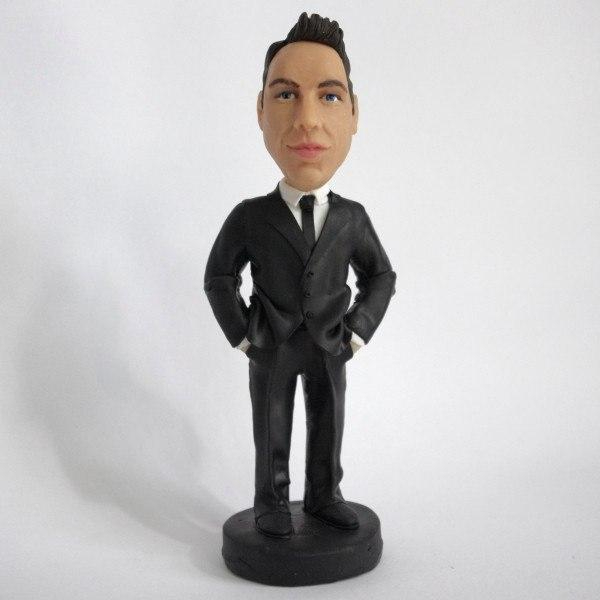
Most Bobblehead collections only need light dusting every few weeks, depending on how dusty your environment is. If the Bobblehead is inside a sealed display case, you can clean even less often, focusing on inspecting it a few times per year. When you do clean a Bobblehead, use soft tools and avoid aggressive rubbing so you do not damage the surface.
It is better not to place a Bobblehead directly next to a sunny window because UV light can fade paint and weaken plastic. If you must use a window area, protect the Bobblehead with UV-filtering glass or film to reduce light damage and turn the figure away from direct beams of sunlight. Rotating the position of the Bobblehead from time to time can also help distribute any minor fading.
The safest method is to pack each Bobblehead individually with bubble wrap or in its original box, then place these into larger cartons with full cushioning. Always mark the boxes as fragile and avoid stacking heavy items on top of your Bobblehead collection during transport. If possible, keep the most valuable Bobblehead pieces with you in your own vehicle for extra security.
Acrylic cases are not strictly required, but they significantly reduce dust, accidental touches, and UV exposure for each Bobblehead. For rare, signed, or highly sentimental Bobblehead figures, a dedicated acrylic case is a smart long-term investment that can preserve condition and value. Even for regular Bobblehead items, a simple case gives a cleaner look and lowers your cleaning workload.
If a Bobblehead spring is slightly bent, you can sometimes gently realign it, but any aggressive force risks breaking the neck joint. For expensive or rare Bobblehead pieces, consider asking a professional restorer or the original manufacturer for repair advice instead of experimenting. In the meantime, remove stress from the spring by storing the Bobblehead securely and avoiding any unnecessary movement of the head.
1. https://www.cheapbobbleheads.com/blogs/news/how-to-avoid-bobblehead-damage/
2. https://www.reddit.com/r/Dodgers/comments/1im7h12/moving_soon_best_way_to_pack_opened_bobbleheads/
3. https://www.youtube.com/watch?v=Rxu7ICrWcWE
4. https://memorabiliadisplays.com/products/bobblehead-display-case
5. https://bobblesniper.com/can-done-better-protect-bobbleheads-shipped-manufacturer/


