
Views: 222 Author: Mia Publish Time: 2025-11-19 Origin: Site
Content Menu
● Understanding Bobblehead Doll Damage
● Diagnosing Problems in Bobblehead Dolls
● Step-by-Step Bobblehead Doll Repair Techniques
>> Reattaching and Reinforcing Loose Heads
>>> Spring Replacement and Adjustment
>>> Alternatives—Elastic Bands for Lightweight Dolls
>> Repairing Cracks, Chips, and Major Breaks
>>> Paint Retouching and Decal Restoration
>> Restoring Internal Supports and Broken Neck Pegs
>> Advanced Restorations for Collectors and Businesses
>> Preventing Damage to Bobblehead Dolls
● Troubleshooting Common Issues
● Business Restoration and Value Considerations
● FAQ
>> 1. What adhesive is best for repairing bobblehead dolls?
>> 2. How can I replace a missing spring in my bobblehead doll?
>> 3. What's the best approach for fixing deep cracks or missing sections?
>> 4. Should rare or valuable bobblehead dolls be professionally restored?
>> 5. What measures help prevent future damage?
Bobblehead dolls charm fans worldwide with their animated nodding heads and personalized designs. Whether you own vintage nodders, promotional mascot dolls, or contemporary artisan bobblehead dolls, proper repair techniques are essential for preserving their value and visual appeal. This all-in-one guide walks you through diagnosing common issues, fixing mechanical systems and cosmetic flaws, restoring paint and decals, plus best practices for both collectors and businesses seeking to protect their investment or prepare items for resale.

Bobblehead dolls are vulnerable to wear and tear over time, especially if handled frequently or exposed to environmental extremes. The most common forms of damage include:
- Detached or floppy heads (from broken springs, pegs, or neck joints)
- Broken or missing springs disrupting the iconic bobble action
- Cracks and chips in ceramic, resin, or plastic surfaces
- Faded, scratched, or stained paint and decals
- Internal support failures (loose wire, deteriorating adhesives or foam reinforcement)
- Loss of structural integrity at the neck, base, or head rim[1][5][6]
Before you start repairs, systematically inspect the doll:
- Assess the nature of motion—does the head wobble properly, or is it loose/erratic?
- Examine the spring—check for rust, bends, or stress fractures.
- Survey for visible cracks, chips, missing pieces, or peeling paint.
- Identify decal damage—especially on vintage bobblehead dolls.
- Probe for internal failures with gentle pressure; avoid excessive twisting.
Minor surface scuffs often require only cosmetic fixes, while more significant repairs might involve reassembling structural components or restoring destroyed elements.
- Clean all mating surfaces thoroughly (use alcohol wipes or mild soap).
- Select a suitable adhesive—epoxy resin for ceramics/resin, cyanoacrylate ("super glue") for plastic.[1]
- Apply glue sparingly, align the head with the neck or spring, and hold in place until set.
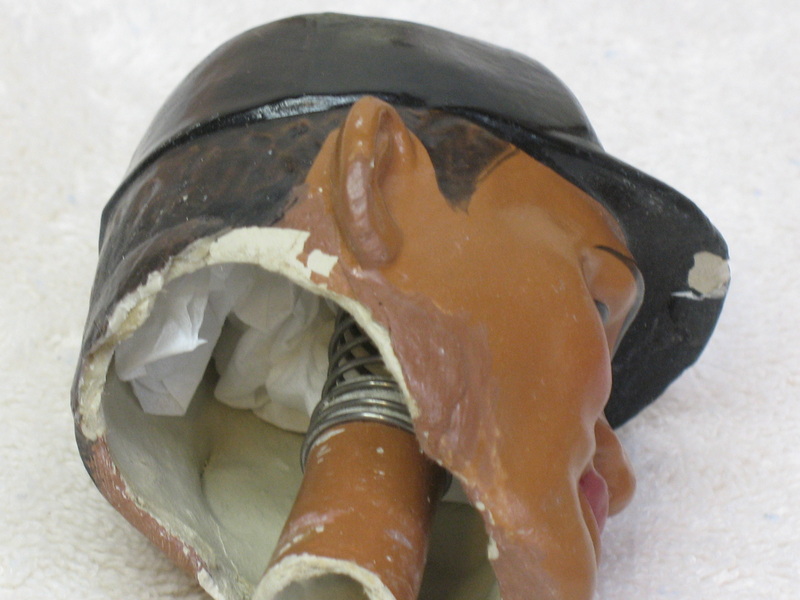
- For hollow heads, reinforce by inserting lightweight foam or bubble wrap before gluing for improved stability.[1]
- Gently remove the head to access the spring.
- If the spring is bent, straighten it gently; if broken, replace it with a spring matched in length, coil diameter, and tension.[1]
- Attach the new spring to the neck peg and the head cavity, securing both ends with glue as needed.
- Confirm smooth bobble action; adjust by trimming or swapping spring for the perfect bounce.
- If a spring is unavailable, thin rubber bands neatly inserted and twisted can serve as a temporary fix.[2]
- Make certain the replacement band fits tightly and doesn't distort head posture.
- Lightly sand chipped areas and cracks; remove dust.
- Mix a small batch of two-part epoxy suitable for the base material.
- Fill cracks or reconstruct small missing sections (use armature wire for larger repairs).
- After curing, sand the area smooth with fine-grit sandpaper.
- For best results, avoid overapplication—thick repairs may affect surface contours.
- Match acrylic paint to original hues (test color blends before final application).
- Carefully retouch repaired spots, using fine brushes for details.
- For decal restoration, digital print replacements for severely faded areas or consult restoration specialists.[5]
- Apply a clear coat to even out gloss between old and new finishes.
- Clean mildly soiled bobblehead dolls with diluted soap and a damp, soft cloth—avoid submerging or harsh scrubbing.
- For tobacco-stained or heavily grimed dolls: professional cleaning with specialty solutions may be needed, sometimes stripping lacquer and recoating, especially in preparation for decals or resale.[5]
- Always protect original paint and decals during cleaning (mask with tape or removable covers).
- Remove and properly dispose of deteriorated supports.
- Model new pegs using jewelry wire or coat hangers for plastic heads; epoxy-sculpted posts for resin/ceramic.[6][10]
- Drill pilot holes carefully; fix the wire/peg with adhesive for stability.
- Heat soft vinyl heads for easier manipulation before extraction or installation (hair dryer or warm water).
- For vintage or rare bobblehead dolls: consult professional restorers to maintain collectible value.[6]
- Use ultraviolet (UV) or blacklight inspection to spot repairs—new paint glows, original paint absorbs light.[5]
- Document all repairs and touchups for provenance; sellers should provide restoration logs .[1]
- Professional restoration can involve advanced airbrushing, mold casting, and specialty clear coats for high-value items.[6]
- For mass production, factories restore batches using precise mechanical, painting, and packaging workflows.
- Store dolls away from direct sunlight and humidity.
- Use sturdy display cases or foam packaging for transit.
- Regularly check bobble motion and surface integrity, making preventive repairs immediately.
- Avoid exposing bobblehead dolls to extreme heat or cold to protect springs, wires, and adhesives.
- If color mismatches persist, try multiple test paint mixes or consult restoration experts.
- For persistent bobble stiffness, double-check spring size; the wrong gauge or length affects motion.
- For warped bases, gentle heat application with firm pressure can restore shape.
- If professional services are required, look for doll hospitals or certified restorers with experience in bobblehead dolls.
For manufacturers, brands, and corporate clients, efficient bobblehead doll repair protocols are vital to maintain image and reduce waste. Well-restored bobblehead dolls enhance promotional events and can be resold with confidence if the restoration process is documented and quality approved.
Resale pricing and collector interest increase with careful repairs—not only are bobblehead dolls returned to working order, but documented restoration protects long-term value.
Repairing bobblehead dolls is both a practical skill and an art—requiring patience, precision, and the correct materials. By following these expert techniques, both casual collectors and business buyers can restore damaged bobblehead dolls to their original, lively glory. From simple glue fixes and spring replacements to advanced repairs and cosmetic touchups, each stage receives its due care for lasting impact and appeal. Professional restoration or meticulous DIY repair guarantees that every nodding head continues to bring joy for years to come, preserving the legacy of bobblehead dolls in collections, displays, and events worldwide.
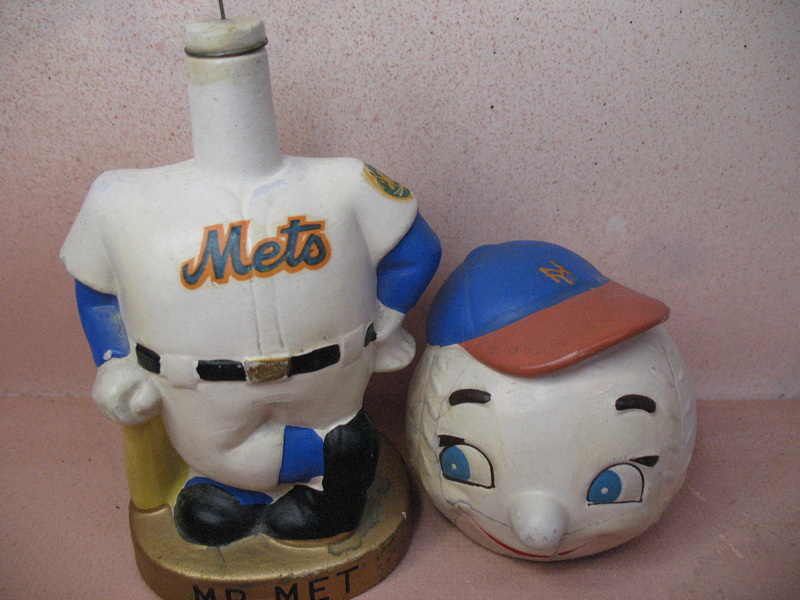
Epoxy resin is ideal for ceramics/resin, while cyanoacrylate super glue works for plastics. Match the glue to your doll's base material for secure, lasting results.[5][1]
Source springs matching the original gauge and tension from craft or hardware stores, or reuse from another bobblehead doll. Secure both ends with glue and test motion thoroughly.[2][1]
Fill damaged zones with two-part epoxy and wire support if needed. Sand and paint over repairs, blending carefully for an invisible finish.[10][6]
For expensive, vintage, or highly collectible dolls, seek professional restoration to preserve paint, decals, and overall authenticity—DIY errors can reduce market value.[6][5]
Store bobblehead dolls out of sunlight and humidity, use sturdy cases, and make preventive repairs quickly—especially spring or peg replacements—to ensure continuous, safe bobble action.[1]
[1](https://www.youtube.com/watch?v=j7ne6DrKlko)
[2](https://www.reddit.com/r/RainbowHigh/comments/11u9w04/fixing_a_bobbleheaded_doll_the_mga_way/)
[3](https://vintagehockeybobbingheads.com/restorations)
[4](https://www.tiktok.com/@prettynostalgic.au/video/7183849427973590273)
[5](https://jjpbr.tripod.com/repairs.htm)
[6](https://forgetmenotdolls.com/articles/professional-doll-restoration-or-doll-repair-2/)
[7](https://www.facebook.com/groups/domgfanclub/posts/2861801190663098/)
[8](https://www.gigisdolls.com/understanding-doll-repair-when-and-why-to-use-a-doll-hospital/)
[9](https://www.tiktok.com/discover/how-to-fix-a-bobblehead-if-the-head-fell-off)
[10](https://www.youtube.com/watch?v=uEeF7zKRUz0)


