
Views: 222 Author: Mia Publish Time: 2026-01-28 Origin: Site
Content Menu
● 1. How Bobblehead Heads Are Attached
● 2. Basic Safety Tips Before You Turn A Bobblehead Head
● 3. How To Turn Head On A Bobblehead (Simple Adjustment)
>> Stepbystep: Turning a Bobblehead head
● 4. Turning And Fixing A Bobblehead Head By Adjusting The Spring
>> Removing and adjusting the spring
● 5. Turning Head On Custom And 3D Printed Bobbleheads
● 6. Using Heat And Gentle Force For Stuck Bobblehead Heads
● 7. How To Turn Head On A Bobblehead Without Losing The Bobble
● 8. Protecting Paint And Details While Turning The Head
● 9. Advanced: Installing Or Replacing A Bobblehead Spring
● FAQ
>> 1. Can I freely turn the head on any Bobblehead?
>> 2. How do I fix a Bobblehead head that is looking too far to one side?
>> 3. What should I do if the Bobblehead head feels stuck and will not turn?
>> 4. How can I turn a Bobblehead head without losing the wobble?
>> 5. Can I replace the spring in a Bobblehead to improve head movement?
Turning the head on a Bobblehead seems simple, but inside that fun toy is a small springandneck mechanism that needs gentle handling. If you understand how the Bobblehead head is attached and how the spring works, you can safely rotate, adjust, or fix the Bobblehead head without breaking it.
Bobblehead heads are usually mounted on a neck post or peg with a coiled spring or flexible connector in between. When you tap the Bobblehead, the spring lets the oversized head wobble around its center, then settle back into position. Knowing how to turn the Bobblehead head correctly can help you customize its pose, correct a tilted look, or repair a Bobblehead that is twisted to one side.
Bobbleheads are made from different materials such as vinyl, resin, or plastic, and each material behaves a little differently when you twist or turn the head. Some Bobblehead heads rotate easily on the spring, while others feel stiff or stuck because of the way the spring is attached or how the plastic has hardened. Learning several safe methods gives you confidence to adjust a Bobblehead head on both older collectibles and newer custom Bobblehead figures.

To safely turn the head on a Bobblehead, you first need to understand the basic structure inside the figure. Most modern Bobblehead designs use a spring or similar flexible connector mounted between the body and the hollow Bobblehead head.
A typical Bobblehead includes:
- A hollow Bobblehead head with a small opening at the bottom.
- A neck post or peg on the Bobblehead body.
- A metal spring or coil connecting the neck post and the head, allowing bobbling movement.
In many Bobblehead products, the spring is screwed or glued onto the neck post, then attached to the inside of the head. This arrangement keeps the Bobblehead head secure while still allowing sidetoside and fronttoback wobbling. When you turn the Bobblehead head, you are actually rotating the spring around the neck peg and slightly changing the resting position of the head.
Some Bobbleheads, especially stylized vinyl figures, use a variation where the neck post passes through the spring and locks inside the head cavity. In these designs, the Bobblehead head still turns, but the range of motion can be smaller and the feel of the rotation may be tighter. Understanding which type of mechanism your Bobblehead uses helps you decide how much force is safe when you adjust the head.
Bobblehead collectors often worry about breaking the neck or spring when they adjust the head position. With a few simple precautions, you can usually turn a Bobblehead head safely and keep the wobble intact.
Key safety tips before turning a Bobblehead head:
- Use two hands: hold the Bobblehead body firmly with one hand while gently gripping the Bobblehead head with the other, so all force stays under control.
- Avoid sudden twisting: move the head slowly, in small increments, instead of forcing a big rotation in a single motion.
- Do not bend the neck post: the neck peg in many Bobblehead products is rigid; bending it can crack the body or loosen the spring connection.
- Watch the spring tension: if you feel strong resistance or hear creaking, stop and reposition your grip instead of forcing the Bobblehead head further.
Another safety point is to consider the age and condition of the Bobblehead. Old or sunexposed Bobbleheads may have brittle plastic or resin around the neck and head opening, which breaks more easily under stress. In those cases, you should use minimal force, and if the head does not want to turn, you may need to use more advanced methods such as gentle warming or internal spring adjustment.
In many situations, you only want to adjust the Bobblehead head position slightly so that it faces forward or matches other figures on the shelf. This can often be done without disassembly and without touching the spring directly.
1. Stabilize the Bobblehead body
Place the Bobblehead on a flat, stable surface and hold the base and torso firmly. If the Bobblehead base is small or slippery, you can place a soft cloth or rubber pad underneath to prevent sliding.
2. Grip the Bobblehead head carefully
Use your fingertips to grip the sides of the Bobblehead head instead of pulling from the top or grabbing delicate details. This spreads pressure more evenly and reduces the risk of cracking thin parts such as hair strands, hats, horns, or accessories.
3. Rotate the head slowly
Gently twist the Bobblehead head in the desired direction, such as from a sidelooking pose back to a forwardfacing position. Move slowly, feeling how the spring and neck respond. In many Bobbleheads, the spring will twist slightly and then settle into a new alignment that keeps the head turned.
4. Pause to check alignment
After a small rotation, stop and look at the Bobblehead from the front and side. Adjust in small steps until the head angle feels natural. It is usually better to make several light adjustments than one large, risky twist.
5. Test the wobble after adjustment
Once you are happy with the head position, tap the Bobblehead head gently from different directions. If it bobbles freely and does not scrape the shoulders or base, your adjustment is successful. If the wobble feels weak or stiff, you might have pushed the head too low or tightened the spring too much and may need to loosen it slightly.
A simple rotation is usually enough for minor corrections. However, if the Bobblehead head keeps returning to a crooked position or if the wobble looks uneven, the spring itself may be twisted or bent, and you may need to adjust it more directly.
If a Bobblehead head is very crooked, hangs too low, or the spring looks twisted, you may need to access the spring and adjust it. This is a more involved process but can dramatically improve how the Bobblehead head turns and bounces.
1. Removing the head
Many springmounted Bobbleheads allow the head to be carefully removed by lifting and twisting. Hold the body firmly, grip the Bobblehead head close to the neck, and gently pull upward while rotating slightly. The goal is to disengage the spring from the neck peg or loosen the friction fit without cracking the neck opening.
2. Inspecting the spring
Once the head is off, look at the spring. A straight spring should have evenly spaced coils and should not be sharply bent near the ends. If the spring is heavily twisted, squashed, or kinked, it can cause the Bobblehead head to lean or face the wrong direction.
3. Straightening and resetting the spring
Use small pliers or your fingers to gently straighten the spring and correct any obvious bends, being careful not to overstretch it. Then, twist one end of the spring securely onto the neck peg or into the body connector, making sure it sits straight. Attach the other end of the spring to the anchoring point inside the Bobblehead head, again keeping it as vertical as possible.
4. Reinstalling and turning the head
When the spring is reset, carefully press the Bobblehead head back onto the spring and neck assembly, rotating it until it faces forward. Check that the spring is not rubbing against the inner walls of the head cavity. With the head reattached, you can make small rotational adjustments just as in the simple method.
If the spring has become too damaged to repair, you might consider replacing it with a similar spring of the same diameter and approximate length. A new, clean spring can make the Bobblehead head more responsive and easier to turn while restoring a satisfying wobble.
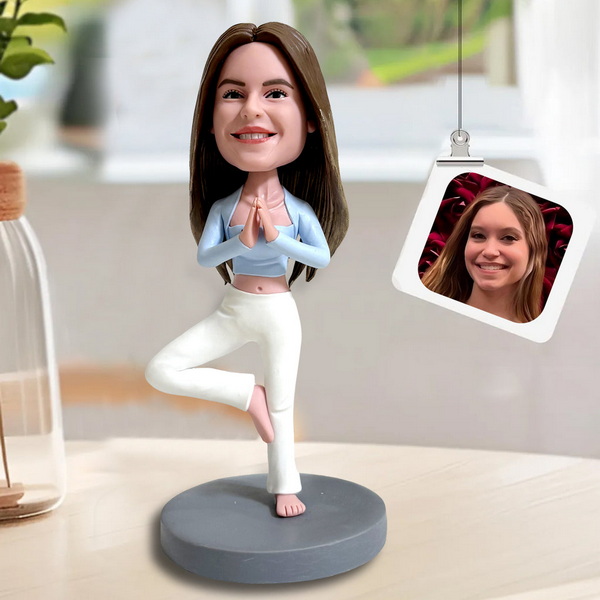
Custom and 3D printed Bobbleheads often use the same basic concept as massproduced figures but may have different tolerances and internal structures. Because they are sometimes made in small batches, they can be a bit more delicate.
In many 3D printed Bobblehead projects, the head is designed as a hollow shell with a cavity for the spring and enough clearance around the neck area. The body has a neck peg or slot for the spring, and the spring is attached with glue or a pressfit connection. When you turn the Bobblehead head, you are rotating this spring or the joint inside the head.
For custom Bobbleheads, especially handmade resin or clay models, the connection might be glued slightly stronger or the head opening might be tighter. In these cases, always start with minimal rotation. If the Bobblehead head seems reluctant to move, you may prefer to remove it and adjust from the inside rather than force it from outside. Custom heads often have unique hair, hats, or sculpted features that can chip if you twist too aggressively.
If you are designing and printing your own Bobblehead, you can plan for easy head turning from the start. For example, you can:
- Leave extra clearance around the neck hole inside the head to prevent scraping when the Bobblehead head rotates.
- Use a slightly flexible material around the neck area to absorb stress when the head turns.
- Add a simple internal key or notch system so that the Bobblehead head can be turned into a few defined positions and stay there.
Sometimes the Bobblehead head feels stuck because the plastic or vinyl around the spring has hardened or tightened during manufacturing or storage. Collectors sometimes use gentle heat to soften the plastic before turning the Bobblehead head.
Common methods for loosening a stuck Bobblehead head include:
1. Warm water method
Fill a bowl with warm (not hot) water and briefly dip only the neck area or lower part of the Bobblehead head into the water, avoiding painted details as much as possible. The warmth can make the plastic or vinyl more flexible without melting or warping the shape.
2. Warm air method
Use a hair dryer on a low or medium setting and move it slowly around the neck joint or head opening from a safe distance. Keep the Bobblehead moving so that no area gets too hot, and only warm the surface until the material feels slightly softer.
After gently warming the area, hold the Bobblehead body and slowly rotate the Bobblehead head a little bit. The softened material should allow a small amount of movement where previously it felt locked. Once the head is in a better position, let the Bobblehead cool down naturally so the plastic or vinyl can firm up around the new orientation.
You must be very careful with heat: too high a temperature can deform the Bobblehead head, damage the paint, or weaken glue holding the spring. Always test heat with short exposures and moderate intensity, and avoid direct contact with boiling water or highpowered heat guns.
If you twist a Bobblehead head too far or screw it down too tightly, you can accidentally reduce the bobbling motion. The head may rest too close to the shoulders, leaving no room for the spring to move, or the spring may become compressed.
To keep good bobble action while turning the head:
- Watch the gap between the Bobblehead head and the shoulders or collar. There should be enough space for the spring to flex without the chin scraping the torso.
- Stop turning when you feel the head pressing down on the body and test the bobble. If it feels restricted, back off slightly by turning the Bobblehead head in the opposite direction or gently lifting it.
- Keep the spring centered. When the spring leans heavily to one side inside the head, the wobble becomes uneven and the Bobblehead head may lean permanently in that direction.
Some Bobblehead owners use internal supports such as cotton balls, foam pieces, or soft packing material inside the hollow head. These supports can dampen extreme wobbling and help keep the Bobblehead head from tilting too far, all while preserving a subtle, controlled bobble. If you add internal support, do it gradually and test the movement after each adjustment so the Bobblehead still has a pleasant wobble.
Another practical issue when you turn the head on a Bobblehead is protecting the paintwork and small details. Tight head openings, sharp edges around collars, and closely sculpted hair can scratch or chip when the Bobblehead head rotates.
To protect the finish while turning the Bobblehead head:
- Check for contact points
Look closely where the neck opening meets the collar or shoulders. If you see spots where paint has already rubbed off, be extra careful when rotating the head.
- Use a soft barrier during initial adjustment
You can briefly wrap a thin piece of soft cloth or tissue around the neck area while you test small rotations to see if the Bobblehead head is likely to scrape. Remove the barrier before final positioning so it does not stay trapped inside.
- Rotate the Bobblehead head in both directions
Sometimes a head that resists rotation in one direction may move more easily in the opposite direction. Testing both ways can help you find the path of least resistance and avoid scraping.
If a little paint does get scratched at the neck, you can sometimes touch it up with matching acrylic paint using a very fine brush. However, for rare or highvalue collectible Bobbleheads, many collectors prefer to leave minor flaws rather than attempt a repair that could be noticeable.
In some situations, you may want to install a new spring or convert a nonbobbling figure into a Bobblehead. This is more advanced work but gives you full control over how the Bobblehead head turns and moves.
Basic steps for installing a spring in a Bobblehead:
1. Prepare the body
Drill or refine a small hole in the neck area of the body to receive one end of the spring if a neck peg does not already exist. Make sure the hole is centered so that the Bobblehead head will sit straight.
2. Attach the spring to the neck
Choose a spring that fits securely around the neck peg or inside the neck hole without wobbling excessively. Glue or twist one end of the spring onto the neck peg, holding it in place until the adhesive cures.
3. Prepare the head cavity
Inside the hollow Bobblehead head, identify or create a small attachment point for the other end of the spring. This might be a small post, a flat area for glue, or a printed anchor shape in a 3D printed head.
4. Attach the spring to the head
Glue or twist the free end of the spring inside the Bobblehead head. Keep the spring as vertical as possible while the adhesive sets, so the Bobblehead head will balance properly.
5. Test rotation and wobble
Once the glue is fully cured, gently rotate the Bobblehead head to find the best facing direction and tap the head to test the wobble. If the movement is too weak, you may need a longer or more flexible spring; if it is too wild, a slightly shorter or stiffer spring might work better.
By customizing the spring length, thickness, and attachment points, you can decide exactly how the Bobblehead head moves and how easy it is to turn. This level of control is particularly useful for custom Bobblehead projects or repairs on favorite figures.
Learning how to turn the head on a Bobblehead safely is all about understanding the spring, neck peg, and hollow head that make the Bobblehead wobble. When you stabilize the body, rotate the Bobblehead head gently, and respect the natural limits of the spring and plastic, you can easily adjust the direction your Bobblehead faces. For more stubborn or crooked heads, working directly with the spring, using controlled warmth, and protecting the paint will help you correct the position while keeping the wobble alive. With the right techniques, every Bobblehead in your collection can stand straight, face the perfect direction, and still deliver the playful, bouncy motion that makes Bobbleheads so popular on desks, shelves, and display cases.
Contact us to get more information!
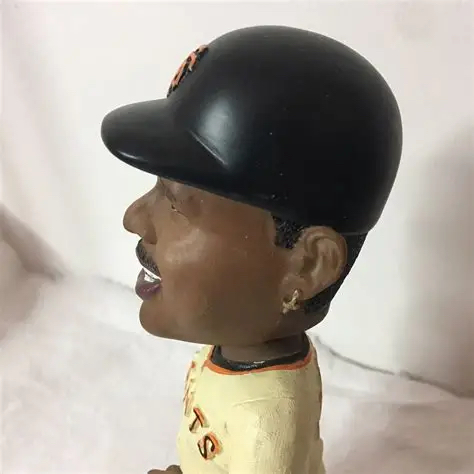
Most Bobblehead heads can be turned at least a little, but not all are designed for frequent or extreme rotation. Many Bobbleheads use a spring attached to a neck peg or internal joint, which allows some safe movement. However, if a Bobblehead head feels very stiff or you hear stress sounds from the plastic, forcing it may bend the spring, crack the neck, or break the glue, so it is always better to turn slowly and stop if resistance increases.
If a Bobblehead head is turned too far to one side, start with a gentle manual adjustment. Hold the body firmly, grip the head close to the neck, and slowly rotate it back toward the center in small movements. If the head still leans, consider removing it, checking the spring for bends or twists, straightening the spring, and then reinstalling the Bobblehead head so it faces forward with a balanced resting position.
When a Bobblehead head is stuck, never force a large twist. Instead, try to slightly warm the neck area with warm water or mild warm air to soften the plastic or vinyl. After a short warming period, attempt a small rotation while stabilizing the body. If it still refuses to move or if you are working with a fragile or valuable Bobblehead, it may be safer to leave the head as it is or consult a more experienced repairer rather than risk breaking the figure.
To preserve the wobble, make sure you do not push or screw the Bobblehead head too far down toward the shoulders. The spring needs space to flex in multiple directions, so keep a visible gap between the head and the body. Turn the head slowly and test the wobble after each adjustment; if it feels weaker or restricted, slightly lift or reverse the rotation until the Bobblehead head bounces freely again.
Yes, it is possible to replace or upgrade the spring in a Bobblehead if you are comfortable with small parts and careful gluing. You will usually need to remove the Bobblehead head, detach the old spring, and attach a new spring that fits both the neck area and the head cavity. A fresh, properly chosen spring can restore smooth wobbling and make the Bobblehead head easier to turn, especially in older figures whose original springs have become bent or fatigued.
1. https://www.youtube.com/watch?v=b_FrrllTHqs
2. https://www.facebook.com/groups/634332759991554/posts/24122239017440931/
3. https://www.facebook.com/TLCCrafters/videos/bobble-head-springcoil-instructions/751667295819770/
4. https://funkofunatic.com/viewtopic.php?t=58586
5. https://www.youtube.com/watch?v=74L-B_oSaX0
6. https://www.instructables.com/3D-Printed-Bobblehead/
7. https://www.youtube.com/watch?v=x8Jt8TQzOZo
8. https://www.reddit.com/r/funkopop/comments/3zt489/how_to_fix_a_giraffe_bobblehead/
9. https://www.reddit.com/r/funkopop/comments/dv8nxb/please_help_me_i_tried_to_fix_a_bobble_heads/
10. https://funkofunatic.com/viewtopic.php?t=49732
11. https://www.tiktok.com/@blakesilva/video/7125176979300683054
12. https://www.tiktok.com/@personalizemypartyph/video/7504940421433347336
13. https://www.youtube.com/watch?v=8BCteHu0JhQ
14. https://www.youtube.com/watch?v=1rfCFaUByms
15. https://www.youtube.com/watch?v=Xt5qC8zKsNQ


