
Views: 222 Author: Mia Publish Time: 2026-01-30 Origin: Site
Content Menu
● Early Nodding Figures in China: The True Origins
● How Nodding Figures Spread From China to Europe
● Germany's Role in Shaping the Modern Bobblehead
● Russia's Literary Reference and European Awareness
● Japan and Early 20th Century Bobblehead Production
● The United States and the Sports Bobblehead Boom
● Answering the Question: What Country Had The First Bobblehead?
● From Temple Nodders to Modern Bobbleheads: Key Stages
● Why The Origin Story Matters for Bobblehead Collectors
● FAQ
>> 1. Which country is considered to have created the first Bobblehead-like figures?
>> 2. What role did Germany play in the development of Bobbleheads?
>> 3. When did Bobbleheads become popular in sports, especially in the United States?
>> 4. Why do some sources say Bobbleheads originated in Germany or Japan instead of China?
>> 5. How do early Chinese and European nodders connect to the Bobbleheads we see today?
When people ask “What country had the first Bobblehead?”, they are really asking where the idea of a noddinghead figure began, long before modern sports Bobbleheads and popculture wobblers. Historically, the earliest nodding figures that clearly resemble what we now call a Bobblehead trace back to China, while the first “modern” Bobblehead toys and sports Bobbleheads were developed in Germany and later popularized in the United States.

Long before the word “Bobblehead” existed, artisans in China were creating noddinghead figures that behaved just like early Bobbleheads. These were often religious or decorative figures with separate heads that moved on wires, weights, or pivots, nodding gently when touched or when the table shook.
Chinese noddinghead figures, sometimes called “temple nodders,” appeared many centuries ago in religious, imperial, and decorative contexts. These figures often represented deities, scholars, courtiers, or members of the imperial family and were placed in temples and homes, where their nodding heads suggested approval, blessing, or a sense of animation. Nods could be triggered by slight vibrations, making them appear almost alive, which fascinated viewers.
By the 1760s and 1770s, these Chinese noddinghead figures were being exported in large numbers from Canton to England, Europe, and America. European collectors were captivated by the way the heads bobbed on the bodies and began displaying these “Yesman” figures in palaces and parlors. In an influential 1765 painting of Queen Charlotte's dressing room at Buckingham Palace by Johann Zoffany, two Chinese noddinghead figures appear on a chimneypiece, a clear visual record that Bobbleheadlike objects from China had reached the heart of European royal culture.
Because these Chinese noddinghead figures predate German and Japanese toy Bobbleheads and directly match the basic concept—a display figure with a head designed to nod or bob—China is widely recognized as the country that had the first Bobbleheadlike objects.
As Chinese nodders became popular exports, European porcelain makers paid close attention. Factories in places like Meissen and Dresden sent observers and traders to China to study porcelain techniques and decorative styles. They encountered Chinese nodding figures and began to copy and adapt the concept in European porcelain.
In the 18th and 19th centuries, German and other European factories produced Chinoiseriestyle nodding figures often referred to as “pagodas” or “nodding pagodas.” These figures portrayed stylized Asian characters with large, movable heads and sometimes articulated hands or tongues. Their heads were suspended on wires and counterweights inside the hollow body, allowing them to nod or sway when touched or when a table was bumped.
European elites coveted these nodders because they seemed amusing and exotic. The nodding action was perceived as an “Eastern” gesture; makers frequently leaned into this by exaggerating facial features and costumes, producing figures that fit Europe's Chinoiserie taste at the time. Although the cultural depiction is dated and stereotyped, the technical idea—an intentionally bobbling head—came directly from Chinese nodders.
By the late 19th century, both Chinese and German makers were producing noddinghead figures in porcelain and other ceramics, sometimes as emperors and empresses, sometimes as generic “pagoda” figures. These antiques, now sold as noddinghead figures or nodders in galleries and auctions, are direct ancestors of the modern Bobblehead.
While China gave the world the first noddinghead figures, Germany played a crucial role in shaping what collectors think of as the “modern” Bobblehead. In the late 18th and early 19th centuries, German artisans began making ceramic toys and novelties with springmounted heads and built on the nodding concept as a form of fun home décor and children's toys.
By around 1901, antique ceramic animal Bobbleheads—often dogs, cats, and farm animals—were being produced in Germany and exported. These early German Bobbleheads were typically 6–8 inches tall, with painted details and simple spring or pivot mechanisms that allowed the head to bob and sway when touched. They were sometimes marketed as “bobbinghead dolls,” “nodders,” or simply novelty figurines.
Because these German nodders were massproduced and made specifically as toys and decorative novelties (rather than religious or strictly artistic figures), many historians of modern collectibles view Germany as the birthplace of the “modern” Bobblehead. The German Bobblehead tradition provided the template for later sports and advertising Bobbleheads, with clear, repeatable molds and standardized mechanisms that could be adapted to different characters.
In short: China had the first Bobbleheadstyle figures, while Germany helped codify the Bobblehead as a recognizable toy and collectible form.
Russia did not invent the Bobblehead, but it provided one of the earliest written references to Bobbleheadtype figures in Western literature. In 1842, Russian author Nikolai Gogol published the famous short story “The Overcoat.” At one point he describes a character's neck as being “like the necks of plaster cats which wag their heads,” referencing popular nodding figurines of his time.
This line suggests that by the mid19th century, noddinghead figures were common enough in Russia and Europe that readers would understand the analogy. It also shows how these early nodders had already entered the everyday visual vocabulary of ordinary people. While Russia does not claim the first Bobblehead, its literature preserves early evidence of how widespread nodding figures had become outside of China and Germany.
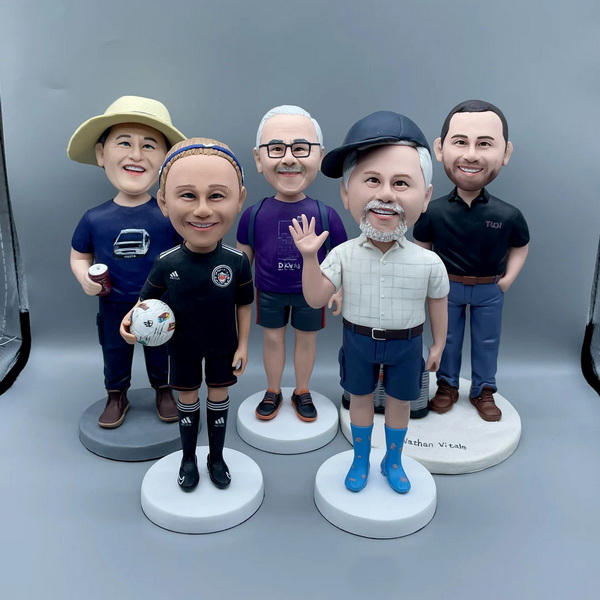
Japan, like Germany, also contributed to the evolution of the Bobblehead, particularly as global toy manufacturing expanded. In the early to mid20th century, Japanese artisans and factories produced handpainted papermache Bobbleheads that were exported worldwide. Some of these early Japanese Bobbleheads were generic figures, while others were based on cartoonish characters and animals.
These Japanese Bobbleheads helped normalize Bobblehead toys in Western markets and provided a bridge between early ceramic nodders and the plastic Bobbleheads that would come later. However, they still came centuries after China's temple nodders and decades after the first German nodders, reinforcing the idea that China holds priority as the first country with Bobbleheadlike figures.
The United States did not originate the Bobblehead form, but it is responsible for turning Bobbleheads into major sports and popculture phenomena. In the early 1960s, Major League Baseball teams began offering ceramic Bobblehead dolls as promotional giveaways at ballparks.
The earliest MLB Bobbleheads were often generic, with the same smiling face used for different teams, distinguished mainly by the uniform and logo. Soon after, teams began producing playerspecific Bobbleheads featuring stars like Mickey Mantle, Willie Mays, Roberto Clemente, and Roger Maris. These early sports Bobbleheads were fragile ceramic figures, but they quickly became prized collectibles among fans.
The modern Bobblehead boom began in 1999 when the San Francisco Giants gave away 35,000 Willie Mays Bobbleheads at a game. Advances in plastic manufacturing made Bobbleheads more durable and economical to produce, allowing teams to offer larger quantities and more specific designs. After that promotion's success, Bobblehead nights spread rapidly across MLB and other leagues, solidifying Bobbleheads as a fixture of American sports promotions.
From then on, the United States became synonymous with Bobblehead culture, even though the first Bobbleheadstyle figures had appeared long before in China and Germany.
To answer the question clearly, it helps to distinguish between “first Bobbleheadstyle figure” and “first modern Bobblehead toy”:
- First Bobbleheadstyle figures:
China is widely recognized as the first country to produce noddinghead figures that match the essential idea of a Bobblehead—a display figure with a head intentionally designed to nod or bob. Chinese temple nodders and export nodding figures, dating back centuries and exported by the 18th century, are the earliest known examples in this lineage.
- First modern Bobblehead toys as novelties:
Germany played a key role in developing ceramic nodders and animal Bobbleheads in the late 18th and 19th centuries, and by the early 1900s was producing some of the first massmarket modern Bobbleheads.
- First major sports and popculture Bobblehead boom:
The United States popularized Bobbleheads as sports collectibles in the 1960s and ignited the modern Bobblehead craze with plastic sports Bobbleheads in the late 1990s and 2000s.
If the question “What country had the first Bobblehead?” refers to the earliest known noddinghead figures, the historically grounded answer is China. If someone means the first standardized toy Bobbleheads, Germany enters the story. If they mean the first Bobblehead mania in stadiums and beyond, the answer shifts to the United States. But in origin terms, China is where the first Bobbleheadlike figures appeared.
The evolution of Bobbleheads can be summarized as a chain of cultural and technical developments:
1. Chinese temple nodders and nodding figures (early origins)
Religious and decorative figures with nodding heads, created in China and used in temples and homes. Heads were balanced on wires, springs, or weighted mechanisms.
2. Chinese export nodders (18th century)
Noddinghead figures exported from Canton to Europe and America, collected by royalty and elites, and depicted in Western paintings and inventories.
3. European and German porcelain nodders (18th–19th centuries)
Meissen, Dresden, and other factories produce Chinoiserie nodding “pagoda” figures inspired by Chinese models, using porcelain techniques to create nodding heads and sometimes moving hands and tongues.
4. German animal and character Bobbleheads (late 19th–early 20th centuries)
Ceramic nodders and small Bobblehead figurines depicting animals and characters sold as toys and decorative items, marking the birth of modern Bobblehead toys.
5. Japanese papermache Bobbleheads (20th century)
Handpainted Bobbleheads made in Japan and exported worldwide, bridging older ceramic nodders and later plastic Bobbleheads.
6. American sports Bobbleheads (1960s onward)
Major League Baseball and other leagues adopt Bobbleheads as promotional giveaways, turning them into sports memorabilia.
7. Plastic Bobblehead boom (1990s–today)
Injectionmolded plastic and resin Bobbleheads enable detailed, affordable figures covering athletes, musicians, politicians, YouTubers, and custom “minime” Bobbleheads.
Through all these stages, the core idea of the Bobblehead—an expressive head that moves independently of the body—remains constant, even as the style and purpose change with each culture and century.
For today's collectors and brands, recognizing that the first Bobbleheadlike figures were made in China enriches the way we see modern Bobbleheads:
- It highlights a deep historical lineage, showing that Bobbleheads are not just cheap plastic toys but descendants of carefully crafted porcelain figures with religious and decorative significance.
- It emphasizes the global nature of Bobblehead history, linking Chinese artisans, German factories, Japanese toy makers, and American sports marketers in one long story.
- It provides context for museum exhibits and highend antiques: when you see an 18thcentury Chinese nodding emperor or a German nodding pagoda in a museum or auction catalog, you are essentially looking at the greatgrandparents of your favorite team Bobblehead.
Understanding where Bobbleheads come from can also inspire respect for the craftsmanship in both the old and new forms and encourage collectors to see Bobbleheads as part of a wider history of animated figurines, not just stadium souvenirs.
The question “What country had the first Bobblehead?” leads back through centuries of art, trade, and popular culture. Chinese artisans created the first noddinghead figures—temple nodders and export figurines that delighted viewers with their gentle, approving movements. European and especially German makers adapted this idea into porcelain nodders and, later, modern ceramic Bobblehead toys. Japan contributed through early massproduced Bobbleheads, and the United States transformed Bobbleheads into sports and popculture icons with stadium giveaways and licensed lines. Yet at the root of all these developments, the earliest recognizable ancestors of the Bobblehead can be traced to China, making it the country that had the first Bobbleheadlike figures, long before a baseball team ever handed one out at the gate.
Contact us to get more information!
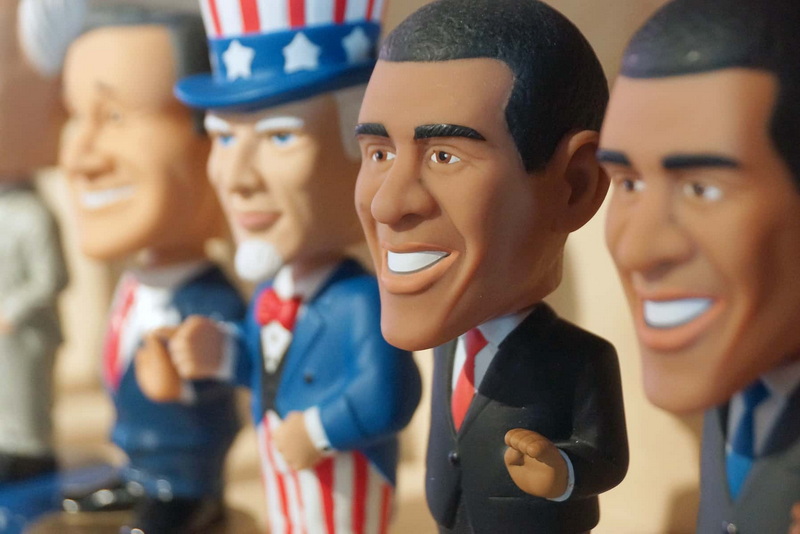
China is generally considered the first country to create Bobbleheadlike figures. Chinese artisans produced nodding religious and court figures—often called temple nodders—whose heads moved on wires or weights. These figures existed centuries ago and were exported to Europe by the mid1700s.
Germany played a crucial role in turning nodding figures into modern Bobblehead toys. German porcelain factories produced Chinoiserie nodding figures in the 18th and 19th centuries and, by the early 1900s, ceramic animal and character Bobbleheads. These toys and decorative nodders laid the groundwork for the modern Bobblehead form.
Bobbleheads became popular sports collectibles in the 1960s, when MLB teams created ceramic player Bobbleheads as stadium giveaways. The modern Bobblehead boom surged in 1999, when the San Francisco Giants gave away a Willie Mays Bobblehead, leading to widespread adoption of Bobblehead nights across leagues.
Some sources focus on the origin of modern massproduced Bobblehead toys, which were heavily developed in Germany and later Japan. However, when you consider the broader history of noddinghead figures, the earliest known examples are Chinese temple nodders and export nodders. In that deeper historical sense, China had the first Bobbleheadstyle figures, while Germany and Japan helped create the modern toy versions.
Early Chinese nodders introduced the core idea: a figure with a head that nods independently. European and German factories copied and adapted this concept into porcelain nodders and toy Bobbleheads. Modern plastic and resin Bobbleheads use the same principle—oversized heads attached by springs or pivots—so today's sports and popculture Bobbleheads are direct descendants of those early nodding figures from China and Europe.
1. https://www.bobbleheadhall.com/history/
2. https://www.bobbleheads.com/history-of-bobbleheads
3. https://stuckeys.com/the-original-yes-men-a-brief-history-of-bobbleheads/
4. https://www.athleticsnation.com/2013/6/13/4420506/the-economics-of-bobbleheads
5. https://elizabethappraisals.com/a-nod-to-this-porcelain-nodder/
6. https://www.smithsonianmag.com/travel/visit-worlds-only-bobblehead-hall-fame-and-museum-180972837/
7. https://www.bobbleheadhall.com/giveaway-schedule/
8. https://popculturespot.com/pages/history-of-bobble-heads
9. https://keymancollectibles.com/newsletter/september2017.htm
10. https://www.1stdibs.com/buy/nodding-head-figures/
11. https://en.wikipedia.org/wiki/Bobblehead
12. https://coupleofthings.net/blogs/coupleofthings/the-history-of-bobbleheads-from-baseball-to-pop-culture-icon
13. https://www.facebook.com/CaymanNick/posts/the-history-of-bobbleheads-dates-back-hundreds-of-years-in-asia-in-the-1600s-tem


