
Content Menu
● The History of the Bobblehead
● What Happens at a Bobblehead Event?
● Why Fans Love Bobblehead Events
● How a Bobblehead Event Is Planned
>> Distribution and Coordination
● Business and Marketing Value of Bobblehead Events
>> Collectibility and Data Engagement
● Bobbleheads Beyond the Sports World
>> Entertainment & Pop Culture
>> Corporate & Promotional Uses
>> Political and Historical Figures
● The Role of Manufacturing in Bobblehead Popularity
● Sustainability and Future Trends
● The Emotional Connection of a Bobblehead
● FAQ
>> 1. What materials are used to make Bobbleheads?
>> 2. How are Bobblehead events announced?
>> 3. Why are limited-edition Bobbleheads valuable?
>> 4. Can companies create customized Bobbleheads?
>> 5. Are Bobblehead events still growing in popularity?
If you've ever attended a sporting game, an anime convention, or a pop-culture festival and received a nodding figurine that looks just like a celebrity or athlete, you've experienced a Bobblehead event. These gatherings are an exciting mix of fan enthusiasm and creative marketing, attracting thousands of attendees every year.
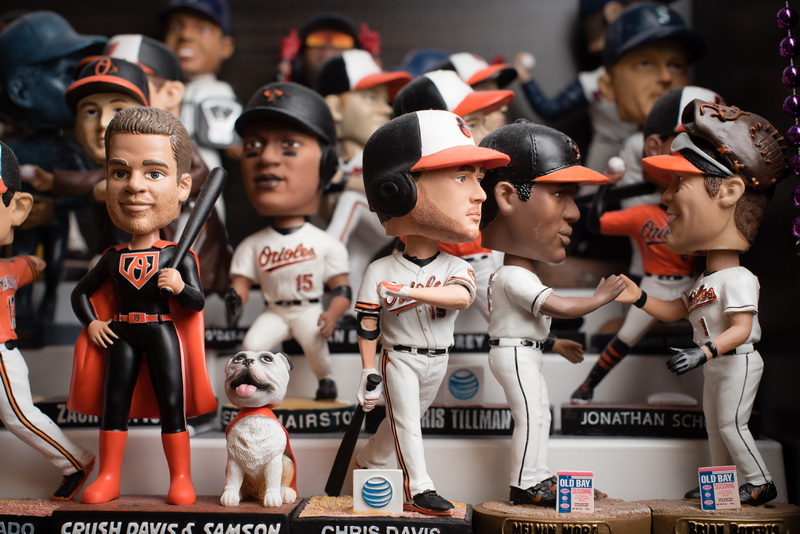
The term Bobblehead event typically refers to official giveaway days hosted by sports clubs, entertainment companies, or promotional organizations. Fans come not only for the main event but also to get their hands on a limited-edition Bobblehead collectible—a small figure with a spring-attached head that bounces or “bobbles.” Over the years, Bobbleheads have evolved from novelty trinkets into sought-after collector's items and even branded art pieces.

The story of the Bobblehead dates back centuries. Early versions of nodding-head figures first appeared in 18th-century Asia, particularly in China and Japan, where small figurines with spring-mounted heads were displayed as lucky charms or decorative ornaments. By the 1840s, European craftsmen replicated the idea using ceramic materials, often depicting aristocrats and animals.
The true popularity boom, however, began in the 1960s in the United States. Sports culture was taking off, and teams like the San Francisco Giants seized the opportunity to create Bobblehead dolls of star players. Those early editions, sculpted from paper-mâché, became instant collectibles.
By the 2000s, technological and manufacturing advances—particularly from Chinese factories—allowed for mass production at higher quality levels. Resin and PVC materials replaced fragile ceramics, leading to a surge in sports, movie, and corporate Bobbleheads that looked remarkably realistic. Today, custom Bobblehead production is a multi-million-dollar global industry, and Bobblehead events are a core part of their appeal.
At its core, a Bobblehead event combines fan engagement with brand storytelling. The event might take place at a baseball stadium, basketball arena, convention center, or outdoor festival. Usually, the first few thousand attendees receive an exclusive limited-edition Bobblehead at entry.
For instance, a team might organize “Shohei Ohtani Bobblehead Night” where fans receive a collectible featuring the superstar in an iconic pose. These events foster enthusiasm, build loyalty, and commemorate a memorable moment in sports history. Attendees often post photos of their Bobbleheads online, creating organic buzz and free promotion for the brand.
Outside sports, corporations also use Bobblehead events to launch campaigns. A tech company might host a “Meet Your Digital Twin” Bobblehead event featuring personalized bobbling avatars of their customers or partners. The mix of humor and personalization makes such occasions universally appealing.
The popularity of Bobblehead events stems from a combination of emotional connection and collector motivation. Here are several reasons why these events are so beloved:
- Limited Editions: Fans are drawn to exclusivity. Limited production runs—often only 5,000 or 10,000 pieces—create urgency and higher perceived value.
- Commemoration: Bobbleheads often mark important milestones, such as an athlete's record-breaking game or a company's anniversary.
- Nostalgia and Identity: Owning a favorite player's Bobblehead connects fans to childhood memories and team identity.
- Social Media Appeal: The quirky, recognizable shape of Bobbleheads makes them perfect for photos and online sharing.
- Surprise Factor: Each event brings a new design, theme, or motion feature that keeps fans excited year after year.
Many collectors plan travel routes around Bobblehead event dates, visiting different stadiums and conventions to expand their collections. For some, the collection itself becomes a personal history of the games and experiences they've shared with friends and family.
Every successful event begins with a concept. Organizers select the figure to feature, often based on timing—anniversaries, special achievements, or popular demand. For example, a team celebrating its championship year might design a Bobblehead lineup of all key players.
Once the subject is chosen, designers use 3D modeling software to capture likeness and fine details. Modern technology allows ultra-realistic features, from facial expressions to uniform stitching. Clients usually collaborate directly with Bobblehead manufacturers, most of which are located in China, to ensure accurate representation and brand consistency.
After prototype approval, mass production begins. Factories cast the design into molds, paint each layer by hand or machine, and assemble the pieces with precise attention to balance so the “bobble” effect works perfectly.
Manufacturers aim for premium standards—smooth finish, durable springs, and safety-certified materials. Production volume can range from 1,000 units for smaller events to over 20,000 for major league promotions.
Shipping logistics are key to success. Organizers ensure that all Bobbleheads arrive weeks before the event to allow for customs clearance, storage, and security. On event day, distribution is typically first come, first served, which encourages early attendance and builds anticipation.
Promotional campaigns often begin months earlier. Teaser photos, social media reveals, and countdowns increase fan excitement. Hashtags such as #BobbleheadDay or #BobbleheadNight drive online interaction, while influencer partnerships extend visibility to younger audiences.
From a marketing perspective, Bobblehead events represent one of the most cost-effective fan engagement tools. They achieve what few campaigns can—lasting emotional connection.
Sponsors who underwrite Bobblehead production often have their logos placed on packaging or event banners. When fans take photos with their Bobbleheads, those images circulate online, providing powerful viral exposure.
While most Bobbleheads are free giveaways, their perceived value can be immense. Limited editions frequently resell for hundreds of dollars. For example, older Los Angeles Dodgers Bobbleheads from early giveaways have become prized collector items with strong secondary market prices.
Teams and brands use giveaways to collect attendee data, such as email addresses and preferences, for future promotions. This transforms the Bobblehead event into both a fan experience and a data-driven marketing opportunity.
Bobblehead giveaways are more than momentary fun—they build tradition. Fans return season after season, growing emotionally invested in the brand or team that created those tangible moments of joy.
Though rooted in baseball and hockey, Bobbleheads have transcended sports entirely.
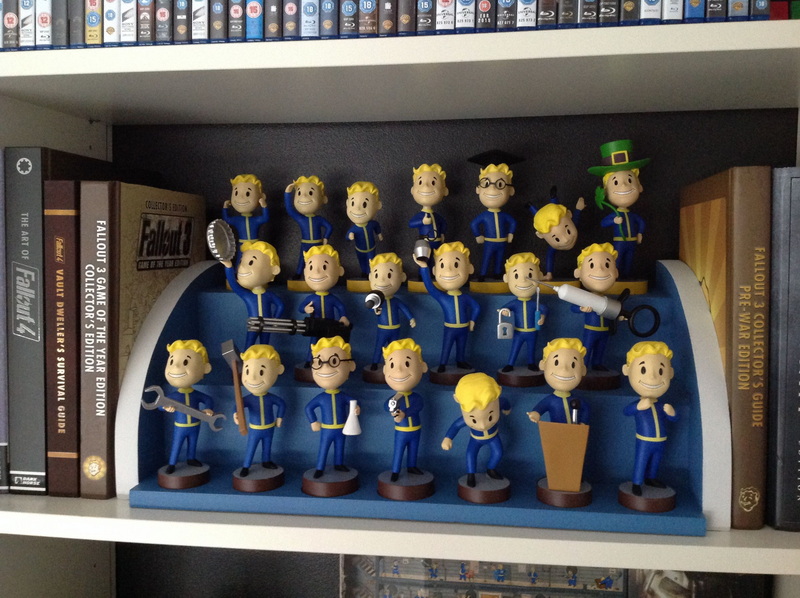
From movie heroes to musicians and comic book icons, Bobbleheads now reflect every niche of fandom. Collectors can find figures of famous characters like Spider-Man, Darth Vader, or even entire K-pop bands.
Companies design custom Bobbleheads for employee awards, retirements, and client gifts. A personalized Bobblehead creates a fun yet lasting memory that strengthens business relationships.
Political Bobbleheads are surprisingly popular. Presidents, governors, and world leaders have all been “bobble-ized.” These figures offer humorous yet collectible insights into history and current affairs.
Many charitable organizations host Bobblehead auctions to raise awareness or funding. The playful design draws attention while supporting social causes, blending entertainment with philanthropy.
The rising popularity of Bobblehead events is closely linked to improvements in manufacturing technology. China remains the primary hub for Bobblehead production due to its advanced molding, painting, and assembly capabilities.
Manufacturers can now produce designs with extraordinary precision—replicating player tattoos, jersey fabrics, and even hair texture. The ability to customize small production runs also enables exclusive fan editions, enhancing the thrill of originality.
More factories are adopting 3D printing methods to increase efficiency and reduce waste. As brands collaborate more directly with these manufacturers, the creative possibilities for Bobbleheads continue to expand globally.
The global move toward sustainability is reshaping how Bobbleheads are produced. Today's top manufacturers are investing in eco-friendly materials such as biodegradable resins, recyclable packaging, and non-toxic paints. Sustainable design not only reduces the environmental footprint but also appeals to socially conscious consumers.
Future Bobblehead events may feature digital integration. For instance:
- Embedded NFC chips could link a physical Bobblehead to an online experience or exclusive video content.
- Fans might customize their Bobblehead digitally, preview it in augmented reality, and receive it physically at the event.
- Virtual “digital Bobblehead drops” for metaverse avatars could connect traditional collectibles with modern technology.
These innovations show that the humble Bobblehead is evolving into both an artistic and interactive collectible.
Bobblehead collectors form a vibrant, global network. Forums, social media groups, and online marketplaces allow enthusiasts to exchange knowledge, trade items, and showcase rare pieces. There's even an official National Bobblehead Hall of Fame and Museum in Milwaukee, which houses tens of thousands of unique figures from around the world.
Collectors share deep connections to their pieces, each telling a story—of a game attended, a team supported, or a celebrity admired. The sense of belonging that springs from collecting turns these small figurines into symbols of shared identity and nostalgia.
A Bobblehead doesn't just nod—it communicates character, humor, and memory. Fans often display their figures on office desks, car dashboards, or home shelves as reminders of special experiences. A well-designed Bobblehead embodies both artistry and emotion. It nods in agreement to victories, cheers, and even personal milestones celebrated by its owner.
Companies and sports clubs understand this connection, which is why Bobblehead events continue to thrive even in a digital marketing age. The physical keepsake remains irreplaceable—it tells a tactile, human story no online graphic can match.
A Bobblehead event is more than a marketing giveaway; it's a joyful fusion of culture, branding, and community spirit. From its historical roots in ancient craftsmanship to modern global production, the Bobblehead has transformed into a universal symbol of fun and fandom.
These events not only unite supporters under a shared experience but also create tangible memories that stand the test of time. Whether celebrating sports heroes, movie icons, or everyday people, the magic of a Bobblehead event lies in its power to make everyone smile—and to keep them nodding along for years to come.
Contact us to get more information!
Most modern Bobbleheads use polyresin, PVC, or biodegradable composites, combining durability with environmental responsibility.
They're usually promoted through social media, newsletters, and official team or event websites several weeks or months before the event date.
Scarcity and emotional connection drive collectibility—limited editions tend to appreciate in value over time, especially for historic figures.
Absolutely. Many manufacturers specialize in producing personalized Bobbleheads for corporate events, gifts, or branding purposes.
Yes. With increased media coverage, online communities, and sustainable production, the popularity of Bobblehead events continues to rise worldwide.


