
Content Menu
● The Evolution of Bobblehead Night
>> How It Works
● The Economic Impact and Attendance Boom
● The Art, Science, and Craft of the Bobblehead
● Bobblehead Night Across Sports and Pop Culture
>> Not Just MLB
● The Science of Scarcity and the Secondary Market
● Cultural and Philanthropic Impact
● Behind the Scenes: Stats, Stories, and Surprises
● Cross-Generational and Viral Appeal
● FAQ
>> 1. When did Bobblehead Night begin in MLB?
>> 2. How many bobblehead nights does an MLB team host each season?
>> 3. Why does Bobblehead Night boost attendance so much?
>> 4. How are sports bobbleheads made?
>> 5. Are all bobbleheads equally valuable?
Bobblehead Night is now an institution in professional sports, defining a season's most memorable moments for millions of fans and collectors. At its surface, Bobblehead Night is a promotional event—each attendee receives a custom bobblehead upon stadium entry. But beneath the surface, it's a fan ritual, a fevered chase for memorabilia, a creative marketing tool, and a viral catalyst for community pride and team loyalty. In 2025 and beyond, no other single sports giveaway rivals the scale, storytelling, and emotional punch of Bobblehead Night.[6][7][8][11]

The bobblehead, or “nodder,” evolved from centuries-old Asian figurines, but entered American sports consciousness in the mid-20th century. The first significant MLB giveaway happened during the 1960 World Series, when baseball issued a set of generic papier-mâché bobbleheads representing the day's biggest stars. These early versions had minimal features, but instantly became cult artifacts.[7]
For decades, bobbleheads drifted in and out of popularity—more amusement-park cactus than collectible. Yet, by the late 1990s, technology and nostalgia converged. In 1999, the San Francisco Giants gave out a modern, lifelike Willie Mays bobblehead to 20,000 fans, sparking a viral wave so potent that by 2001, nearly every team in the league had at least one Bobblehead Night on its calendar.[8][7]
Since that pivotal moment, the bobblehead promotion has only grown more ambitious. MLB franchises race to outdo each other with ever-larger print runs, flashier pop culture crossovers, and increasingly creative designs. In the 2018 MLB season alone, 140 separate bobblehead events took place. In 2025, elite teams like the Dodgers give away 35,000 to 40,000 bobbleheads several times each season, with some seasons featuring 19 or more bobblehead-themed nights.[2][7]
- Fans arrive hours before gates open, braving weather and long lines for a chance at the coveted giveaway.
- The first 10,000 to 40,000 attendees receive a custom bobblehead—typically featuring a current star, franchise legend, or celebrity superfan.
- Special pregame ceremonies highlight the honoree. Outcomes might include video tributes, ceremonial first pitches, or meet-and-greet opportunities.
- Throughout the night, the stadium buzzes with trading, showing off new collectibles, and social media “unboxing” videos.
Many fans view Bobblehead Night as a badge of sports faith: an annual highlight that merges nostalgia, family tradition, and the unexpected thrill of a limited-edition gift.
- Scarcity: Only a set number are created; once they're gone, the only way to get one is often through the secondary market.
- Sentiment: Bobbleheads connect fans to their childhood and forge memories with family and friends.
- Trade and Value: Some bobbleheads immediately fetch hundreds of dollars on resale platforms, tempting both hardcore collectors and casual fans.[2]
Bobblehead Night isn't just for laughter or shelf display—it's a major revenue driver for teams. Bobblehead promotions can boost attendance by 30% or more compared to ordinary games. Sellouts often occur for otherwise unspectacular matchups, and concession, parking, and merchandise sales soar on these nights. MLB's biggest sellouts in 2025—such as the 54,154 fans for Dodger Stadium's Ice Cube Bobblehead Night—proclaim the magnetic pull of the collectible.[6]
Minor League and college teams replicate the pattern. For example, the Brooklyn Cyclones, High-A affiliate of the Mets, reported a 30% attendance spike when bobblehead nights were on the schedule. Local restaurants, hotels, rideshares, and neighborhood businesses also benefit.[6]
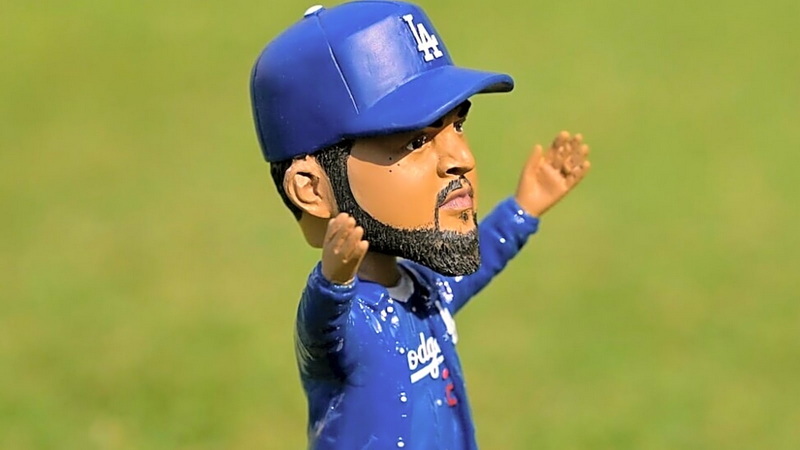
1. Inspiration: The subject might be a seasonal star, a Hall of Famer, or a niche celebrity beloved by the fan base.
2. Design: Artists sculpt digital or clay prototypes, prioritizing facial accuracy, team colors, and dynamic poses (think signature home-run swings or on-field celebrations).
3. Approval and Licensing: Teams work with both the players and manufacturers to clear likeness rights.
4. Production: The vast majority of sports bobbleheads are manufactured by specialized factories in China, capable of handling polyresin painting, packed shipments, and tight schedules.[11][7]
In recent years, innovations include bobbleheads with sound chips, moving elements, LED features, and alternate “chase” editions that make the collecting process even more competitive.
Baseball led the bobblehead craze, but the tradition now flourishes in the NBA, NHL, minor leagues, and even global soccer. Teams have featured legends, fan-favorite mascots, and crossover themes with movies, superheroes, or musical icons. Bobblehead Night has even penetrated eSports and wrestling, where digital and physical figures keep enthusiasm high.
Modern Bobblehead Nights use digital screens, drone shows, music, and viral marketing to create a stadium-wide spectacle. Video screens flash interviews, nostalgic highlight reels, and fan-submitted content, deepening the sense of shared experience.
For many, Bobblehead Night doesn't end at the stadium. A robust resale culture means rare or visually unique bobbleheads headline auctions and collector meetups. Some of the most coveted—like the inaugural 1999 Willie Mays—have fetched thousands of dollars at auction. Chase and error variants, and dual-sport or pop-culture crossovers further fuel market frenzy.
Online communities track “bobblehead flips,” rare-finds, and even regional bobblehead trade shows, drawing fans from across the country for talk, trade, and celebration.
Bobblehead Night is not solely about profit. Teams have recognized the event's potential for positive outreach:
- Special-edition bobbleheads support local charities, with proceeds from auctions or VIP packages benefitting community causes.
- Unused bobbleheads are donated to schools, children's hospitals, and youth sports organizations, introducing new generations to the joy of collecting and team loyalty.
Bobblehead Night thus becomes a vehicle not just for celebration, but for giving back.[7]
- During the 2024 and 2025 MLB seasons, top teams like the Phillies, Dodgers, Brewers, Angels, Padres, and Cardinals each scheduled more than a dozen bobblehead events—sometimes exceeding 19 unique versions per team, and distributing 35,000–40,000 per night.[2][6]
- In 2018 alone, there were 140 MLB bobblehead nights, and the trend has continued growing.[7]
- The most anticipated bobblehead events draw long lines even before subjects are announced—fans trust the experience enough to buy tickets far in advance, confident their collectible will be worth it.[2]
- Stadiums witness a “bobblehead premium” at ticket booths—with high demand for both season-long collectors and single-night event flippers.
- Players themselves sometimes rise to the moment: one stat revealed MLB players average a higher batting average on their own bobblehead nights compared to regular-season games, adding another layer of superstition and fun to the event.[3][4]
As families experience Bobblehead Night together, a new generation falls in love with the sport. The accessibility and fun of a bobblehead gift allow teams to reach casual fans, international tourists, and new market segments. Bobblehead giveaways consistently trend on social media, with “unboxing” and review videos spawning viral challenges.
Game highlights from these nights, often involving dramatic walk-off home runs or emotional ceremonies, gain extra significance—creating multi-platform moments that live on well past the one-night-only giveaway.[12][13][14][15]
Bobblehead Night stands as the sporting world's most distinctive, innovative, and emotionally charged promotional event. Whether you arrive as a die-hard collector, a first-time fan, or simply for a night with family, you will experience the electric anticipation, communal pride, and creative spectacle of the modern bobblehead tradition. Every season, Bobblehead Night writes a new chapter in the ongoing story of how simple collectibles can fuel the passions, memories, and identities of communities across the globe.[8][11][6][7]
The modern era began May 9, 1999, with the San Francisco Giants' Willie Mays giveaway, inspiring a league-wide craze.[8]
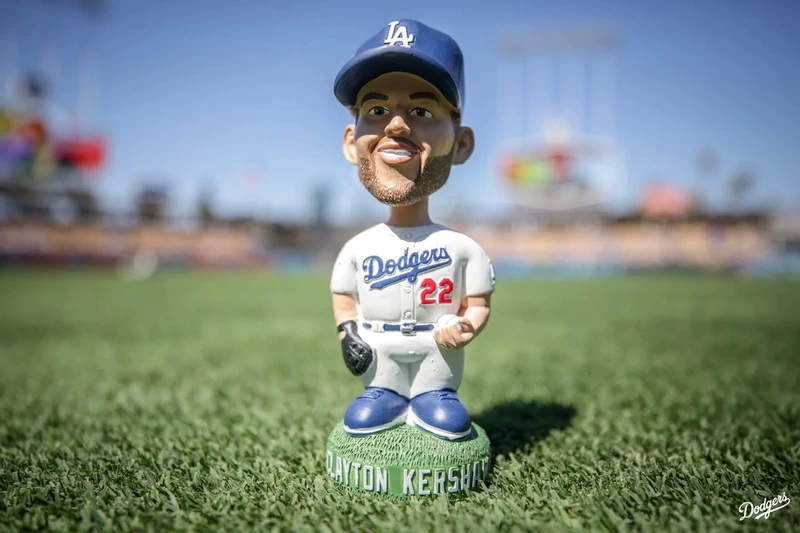
Elite teams like the Dodgers, Phillies, and Cardinals often feature more than 12–19 bobblehead events per year, distributing up to 40,000 per event.[5][2]
Limited collectibles drive scarcity, fan excitement, and resale value, leading to packed stadiums and record-setting crowds—sometimes resulting in 30% to 40% higher attendance than average.[6]
Teams commission digital and physical prototypes (usually with factory partners in China), approve sculpt and paint samples, then produce thousands of polyresin figures for a single-night distribution.[11][7]
No—chase variants, error dolls, celebrity crossovers, and early/inaugural editions often appreciate most. The rarity and appeal of a bobblehead often determine how eagerly fans and collectors seek them out.[7][2]
[1](https://www.bobbleheadhall.com/previous/)
[2](https://www.reddit.com/r/baseball/comments/1aqecns/average_number_of_bobbleheads_given_away_by/)
[3](https://www.facebook.com/JomboyMedia/posts/how-do-mlb-players-perform-on-their-own-bobblehead-night-stats-that-exist-but-do/1091621398442161/)
[4](https://www.sbnation.com/mlb/2013/5/15/4333492/paul-konerko-bobble-head-white-sox)
[5](https://baseballsociologist.wordpress.com/2025/04/01/the-annual-bobble-list-2025/)
[6](https://presssports.co/bobblehead-giveaways-mlb-attendance-boom/)
[7](https://jugssports.com/blog/how-the-baseball-bobblehead-craze-got-started-and-will-it-end/)
[8](https://cronkitenews.azpbs.org/2024/05/03/mlb-bobbleheads-nod-to-past-arizona-diamondbacks/)
[9](https://www.mlb.com/news/phillies-bobblehead-history-c219471882)
[10](https://www.mlb.com/dodgers/fans/bobbleheads)
[11](https://frontofficesports.com/newsletter/baseballs-bobblehead-frenzy/)
[12](https://www.youtube.com/watch?v=a78_qy0Xq5o)
[13](https://www.mlb.com/video/byron-buxton-hits-for-the-cycle-on-bobblehead-day)
[14](https://www.mlb.com/yankees/video/aaron-judge-homers-27-on-a-fly-ball-to-right-center-field)
[15](https://www.youtube.com/watch?v=eKiieiifbfg)


