
Views: 222 Author: Mia Publish Time: 2025-11-24 Origin: Site
Content Menu
● The Early Roots: Pre-Sports Bobbleheads
● The 1960 MLB Breakthrough: Baseball's First Bobblehead Dolls
>> The Start of a Fandom Phenomenon
>> The Player-Specific Revolution
● Material and Collectibility: From Fragile Papier-Mâché to Durable Keepsakes
● The Modern Era: The Giants Ignite a Craze
● Other Sports Adopt the Bobblehead Tradition
● Why Did Bobblehead Dolls Explode in Sports?
● The Making of a Sports Bobblehead Doll
● Legendary Collectibility and Ongoing Pop Culture Appeal
● FAQ
>> 1. Which MLB teams were linked to the very first bobblehead dolls?
>> 2. What was the original material for sports bobblehead dolls?
>> 3. How did modern bobblehead giveaways become so popular?
>> 4. Which other sports quickly adopted the bobblehead doll tradition?
>> 5. Are classic sports bobblehead dolls valuable?
Bobblehead dolls have long stood at the intersection of fan devotion and cultural whimsy, becoming iconic souvenirs at sporting events and treasured collectibles among fans and memorabilia enthusiasts. But when did this quirky tradition begin in the world of sports, and which team was the pioneer to immortalize itself with a bobblehead doll? This article thoroughly explores the fascinating story of the first sports bobblehead dolls, their emergence in professional leagues—especially baseball—the evolution of their design, their resurgence in the modern era, and their role as beloved marketing tools for teams across the globe.[1][2][3][4][5]

Long before sports bobblehead dolls filled stadiums, nodding-head figures were popular in Asian and European cultures. By the late 19th and early 20th centuries, these novelty dolls made their way across continents, but it wasn't until the mid-20th century that they became linked with athletic fandom.[6][7]
The modern history of sports bobblehead dolls took off at the 1960 World Series. During this milestone event, Major League Baseball (MLB) commissioned a unique set of bobblehead dolls: each major league team received its own nodding mascot, crafted from hand-painted papier-mâché. These dolls all featured a similar boyish face, but were differentiated by uniforms marking each franchise.[2][3][4][8][1]
Also in 1960, MLB made a further leap by producing the first player-specific bobblehead dolls. Four legendary figures were chosen as models:
- Mickey Mantle (New York Yankees)
- Roger Maris (New York Yankees)
- Willie Mays (San Francisco Giants)
- Roberto Clemente (Pittsburgh Pirates)
These early player dolls were instantly coveted—and they carried real team pride for the cities they represented, though the faces were still generic and differentiated mostly by uniform.[3][1][2]
Those inaugural bobblehead dolls were crafted in Japan out of papier-mâché—a material chosen for its lightness but not its resilience, making complete survivors from the 1960s very rare and highly valued. Teams and manufacturers soon saw the advantage of stronger materials, shifting to ceramics in the 1970s and eventually to plastic and resin, methods that allowed much more detailed, robust bobblehead dolls for future generations of fans.[9][1][6]
Interest renewed dramatically in 1999, when the San Francisco Giants hosted a stadium giveaway and distributed 35,000 Willie Mays bobblehead dolls to fans—a move credited with reviving and globalizing the sports bobblehead craze. This event demonstrated the massive marketing power and fan appeal of these dolls, prompting teams in every major league—baseball, basketball, football, and hockey—to create their own player and mascot bobblehead doll promotions as must-have collectibles and stadium magnets.[5][10][1][3]
After the MLB's success, NBA, NFL, and NHL teams introduced their own lines of bobblehead dolls, featuring not only players but also mascots, coaches, and even key moments. Soccer clubs, racing teams, and international events soon followed. Though baseball is credited with pioneering the modern bobblehead doll in pro sports, the tradition rapidly became universal, bridging teams and eras with shared nostalgia and marketing genius.[2][5]
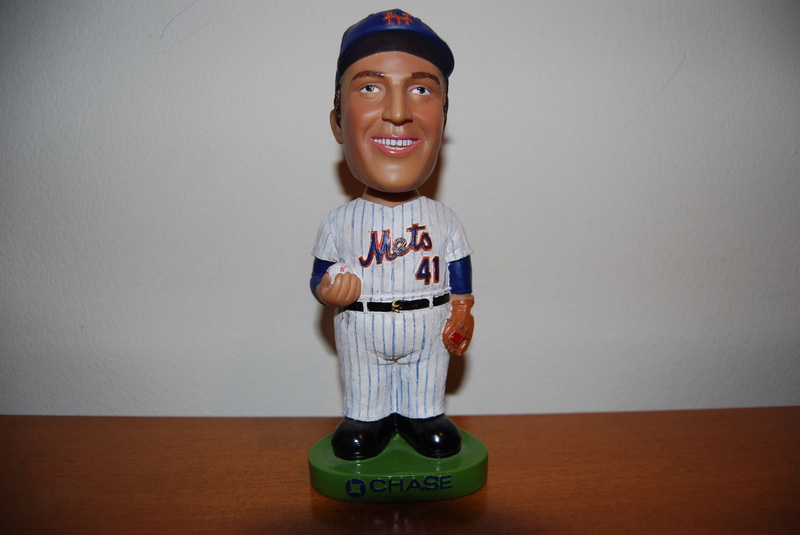
- Fan Engagement: These wobbly souvenirs connect thousands of fans to a player, mascot, or historic moment in tangible form.
- Collectibility: Limited runs and exclusive stadium releases make bobblehead dolls valuable, especially for those marking milestones or playoffs.
- Cultural Iconography: Their unique look and action grab attention in media, ads, and on collectors' shelves.
- Viral Marketing: Social media, TV coverage, and word-of-mouth all leap to life when a team releases a hilarious, creative, or highly anticipated bobblehead doll.
Today's bobblehead dolls begin as digital or hand-crafted sculpts, cast in resin or plastic, painted in team colors, and assembled with precision. Major teams collaborate with talented artists and specialized manufacturers for unique, detailed designs—often using the likenesses of current stars or celebrating anniversaries with throwback editions.[11][12][13][9]
From the 1960 World Series MLB mascots and the quartet of Mantle, Maris, Mays, and Clemente, original vintage sports bobblehead dolls now fetch hundreds or thousands of dollars at auction. Museums—such as the National Bobblehead Hall of Fame—preserve and showcase the evolution of the sports bobblehead throughout history, celebrating its impact on fan culture and memorabilia.[7][17][2]
The very first true sports bobblehead dolls appeared as team mascots for every MLB club at the 1960 World Series, alongside four iconic player-specific nodders. This innovation sparked a worldwide collecting phenomenon and cemented the bobblehead doll as a fixture in stadiums, homes, and the culture of sports fans. With every bobblehead night, new star, and creative release, this playful tradition continues to bring joy, nostalgia, and unity to fans of all backgrounds—and it all began with a bold move in baseball over sixty years ago.[4][8][1][5][6][2]
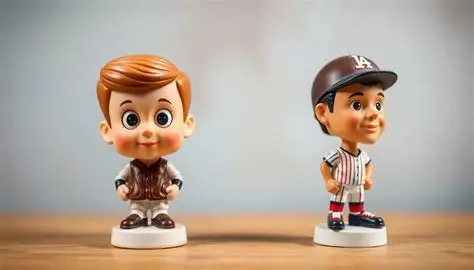
Every MLB franchise was represented with a mascot bobblehead in 1960; Mickey Mantle (Yankees), Roger Maris (Yankees), Willie Mays (Giants), and Roberto Clemente (Pirates) were the first players immortalized as bobblehead dolls.[8][1][4][2]
The earliest were made from fragile papier-mâché and painted by hand, shifting to ceramics and then durable plastics and resin in later decades.[1][6]
The 1999 Giants' Willie Mays giveaway proved wildly successful and inspired teams everywhere to use bobblehead dolls as fan engagement and marketing tools.[10][5]
The NBA, NFL, NHL, Major League Soccer, and many international clubs all now produce team and player bobblehead dolls as collectibles and stadium swag.[5][2]
Yes—originals from the 1960s, especially undamaged MLB mascots or the first player-specific dolls, are highly prized by collectors and historians.[17][1][2]
[1](https://www.bobbleheads.com/history-of-bobbleheads)
[2](https://www.bobbleheadhall.com/history/)
[3](https://popculturespot.com/pages/history-of-bobble-heads)
[4](https://www.hotels4teams.com/the-fascinating-history-of-the-bobblehead-doll/)
[5](https://coupleofthings.net/blogs/coupleofthings/the-history-of-bobbleheads-from-baseball-to-pop-culture-icon)
[6](https://www.historyofdolls.com/history-of-famous-dolls/history-of-bobblehead/)
[7](https://www.smithsonianmag.com/travel/visit-worlds-only-bobblehead-hall-fame-and-museum-180972837/)
[8](https://baseballhalloffame.ca/virtual-collection-bobblehead-dolls/)
[9](https://www.yesbobbleheads.com/how-custom-bobblehead-dolls-are-made)
[10](https://en.wikipedia.org/wiki/Bobblehead)
[11](https://www.bbobbler.com/8-steps-to-make-your-own-bobblehead-a-comprehensive-guide/)
[12](https://www.instructables.com/3D-Printed-Bobblehead/)
[13](https://omgbobbleheads.com.au/how-are-bobbleheads-made-a-step-by-step-guide/)
[14](https://www.youtube.com/watch?v=RN9QVyJWMaE)
[15](https://www.youtube.com/watch?v=JICPErlyrNU)
[16](https://www.youtube.com/watch?v=LfUNHrRFRmU)
[17](https://baseballhall.org/news/hall-of-fame-celebrates-beloved-bobblehead-doll-with-opening-of-getting-the-nod)


