
Views: 222 Author: Mia Publish Time: 2026-02-03 Origin: Site
Content Menu
● Early Origins Before the Modern Bobblehead
● The 1960 Breakthrough: Birth of the Modern Bobblehead
● Why the 1960s Bobblehead Is Considered “Modern”
● Evolution of the Modern Bobblehead After 1960
● The Late1990s Resurgence: Plastic Bobbleheads and Giveaways
● Anatomy of a Modern Bobblehead
● Customization and the Modern Bobblehead Industry
● The Modern Bobblehead in Pop Culture and Sports
● Why the Modern Bobblehead Matters
● FAQ
>> 1. When was the first modern Bobblehead invented?
>> 2. What makes the 1960 Bobblehead different from earlier nodders?
>> 3. Were the first modern Bobbleheads made of plastic?
>> 4. How did the late1990s revival change modern Bobbleheads?
>> 5. Why are early modern Bobbleheads from the 1960s so collectible today?
The first truly modern Bobblehead, in the sense that most collectors use the term today, emerged around 1960, when Major League Baseball introduced papiermâché player Bobbleheads for stars like Mickey Mantle, Willie Mays, Roger Maris, and Roberto Clemente. These early 1960s sports Bobbleheads, produced in ceramic and papiermâché and sold around the 1960 World Series, marked the beginning of the modern Bobblehead era, even though bobbling figures, “nodders,” and similar toys existed long before.
To understand when the first modern Bobblehead was invented, it is important to look at both the long history of nodding figurines and the specific moment when sports Bobbleheads became widely recognized as the collectibles we know today. The modern Bobblehead took shape in the 1960s through a combination of sports promotion, improved manufacturing, and growing fan culture, and then evolved further with plastic and resin Bobbleheads in the 1990s.

Long before the modern Bobblehead was invented, people were already fascinated by figures with moving heads. Historical records point to nodding figurines appearing in Europe and Asia centuries ago, often as decorative items or religious figures. These early “temple nodders” and ceramic figures used loose joints or springs to create a nodding motion and were sometimes made of porcelain or bisque.
In the 19th and early 20th centuries, nodding figures—sometimes called “nodders,” “bobbers,” or “bobbing head dolls”—were produced in limited numbers in Germany and elsewhere. Some of these early pieces depicted animals or people with springmounted heads that moved when touched. While they share the same bobbling mechanism as a modern Bobblehead, they were not yet part of a coordinated, massmarket sports and pop culture phenomenon.
By the 1950s, these types of figures became more common in the United States, often as novelty items displayed on dashboards, desks, and shelves. However, they were still generic nodders rather than fully developed modern Bobbleheads with licensed players, teams, and organized series. It was not until the 1960s that the modern sports Bobblehead truly took off and began to resemble the familiar, collectible Bobblehead we recognize today.
Most historians of the Bobblehead hobby agree that the first modern Bobblehead era began around 1960. That year, Major League Baseball produced a series of papiermâché Bobblehead dolls for each team. These early Bobbleheads were sold in ballparks and were notable because they represented actual teams and players, not just generic figures.
Playerspecific Bobbleheads for iconic athletes such as Mickey Mantle, Willie Mays, Roger Maris, and Roberto Clemente were released around the 1960 World Series. These figures shared a similar face but wore different uniforms, combining recognizable team imagery with a consistent, marketable Bobblehead style. This moment is often cited as the birth of the modern sports Bobblehead and, by extension, the modern Bobblehead as most fans understand it.
The 1960s Bobblehead designs were far from perfect: they were fragile, made from papiermâché, and prone to cracking or chipping. However, they established several key elements of what we now call a modern Bobblehead:
- A large, bobbling head mounted on a stable body.
- A specific character or player, clearly identified by uniform and name.
- Mass production for sale or promotion to sports fans.
Because they were tied to famous players and major events like the World Series, these early modern Bobbleheads became treasured keepsakes and laid the foundation for the Bobblehead hobby. When collectors talk about the first modern Bobblehead, they usually refer to these 1960 baseball Bobbleheads.
You might wonder why nodding figurines from the 19th century or earlier are not considered modern Bobbleheads. The key differences lie in context, subject matter, design consistency, and production scale.
First, the 1960s Bobbleheads were closely connected to professional sports, especially baseball. This connection introduced Bobbleheads to massive fan bases and integrated Bobbleheads into stadium culture. Fans could now buy or later receive a Bobblehead of their favorite star, something that earlier nodders never achieved on such a scale.
Second, the 1960s Bobbleheads were part of coordinated product lines. Teams and manufacturers created entire sets: team Bobbleheads, player Bobbleheads, and mascot Bobbleheads with uniform branding and packaging. This approach transformed the Bobblehead into a collectible series rather than a random novelty.
Third, the 1960s marked a shift in materials and production methods that set the stage for future Bobbleheads. While the earliest modern Bobbleheads were papiermâché, manufacturers soon moved toward ceramics for greater durability, and later to plastics and resin. This evolution made Bobbleheads cheaper, stronger, and easier to massproduce, pushing them decisively into the modern collectible category.
For all these reasons, when collectors ask, “When was the first modern Bobblehead invented?” the answer typically points to the 1960 baseball Bobbleheads as the true starting point of the modern era, even though the idea of a bobbling figure is much older.
Once the first modern Bobbleheads appeared in 1960, the concept expanded rapidly through the 1960s and early 1970s. Sports Bobbleheads became common in baseball and later other sports such as football, basketball, and hockey. Cartoon characters, bands, and other pop culture icons also received Bobblehead treatment.
One famous example from this period is the Beatles Bobblehead set from the 1960s, which became one of the most valuable and recognizable Bobblehead collections of all time. These figures showed that modern Bobbleheads could extend beyond sports into music, entertainment, and broader pop culture, further cementing the Bobblehead's place as a mainstream collectible.
In the 1970s and 1980s, Bobblehead production slowed somewhat as other types of toys and collectibles took the spotlight. Yet Bobbleheads never fully disappeared—they remained in circulation in gift shops, souvenir stands, and private collections, and their nostalgic appeal quietly grew among fans who remembered the original 1960s designs.
By the 1990s, a combination of new materials and manufacturing techniques made it easier and cheaper to produce highquality Bobbleheads, setting the stage for a major Bobblehead resurgence at the end of the decade. Collectors who loved the original modern Bobblehead styles from 1960 suddenly saw a new wave of Bobblehead designs returning to stadiums and stores.
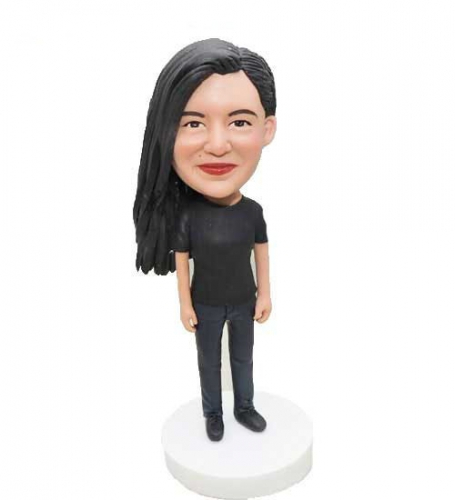
The “modern Bobblehead” story has another major turning point in the late 1990s. Around 1990, manufacturers began using plastic and resin instead of traditional ceramics or papiermâché. These materials reduced costs, increased durability, and allowed for more detailed sculpts, making the modern Bobblehead more practical for mass giveaways and largescale promotions.
A landmark moment in this resurgence came in 1999, when the San Francisco Giants handed out tens of thousands of Willie Mays Bobbleheads at a single game. This promotion was a huge success and is often credited with kickstarting the modern Bobblehead giveaway craze in professional sports. From that point forward, Bobblehead nights became a staple of sports marketing, and the modern Bobblehead fully reentered public consciousness.
In this sense, you could say that the first modern Bobblehead was invented in two stages:
- Around 1960: the first modern sports Bobbleheads were created, defining the basic idea and form.
- Around 1990–1999: advances in materials and manufacturing revived and expanded the modern Bobblehead into the massmarket, plastic era that continues today.
Both stages are crucial to understanding why the modern Bobblehead looks and feels the way it does now and why Bobblehead giveaways remain such a powerful draw for fans.
To appreciate how far Bobbleheads have come since 1960, it helps to look at the anatomy of a modern Bobblehead and how it compares to early modern designs.
A typical modern Bobblehead includes:
- Head: Oversized relative to the body, capturing a stylized likeness of a player, celebrity, mascot, or custom character. The big head is the most recognizable feature of a Bobblehead.
- Spring or joint: Connects the head to the body and allows the characteristic bobbling motion when nudged, creating the signature Bobblehead effect.
- Body: Fixed pose that may show a swing, a dance, a victory pose, or any thematic gesture that matches the character's identity.
- Base: Stable platform often printed or sculpted with names, logos, dates, event titles, and sometimes statistics or slogans related to the Bobblehead's theme.
Modern Bobbleheads also use detailed painting and sculpting techniques that were hard to achieve with early papiermâché. Facial features, uniforms, and accessories are more accurate, which makes today's Bobblehead figures look far more realistic while still maintaining their signature oversized head.
Many modern Bobblehead designs now include action elements like swinging bats, flowing hair, dynamic clothing, or additional moving parts. Stadium giveaway Bobbleheads, special anniversary Bobbleheads, and limitededition Bobbleheads for milestones like recordbreaking seasons all follow this evolved design style, revealing how much the modern Bobblehead has progressed since its 1960 origins.
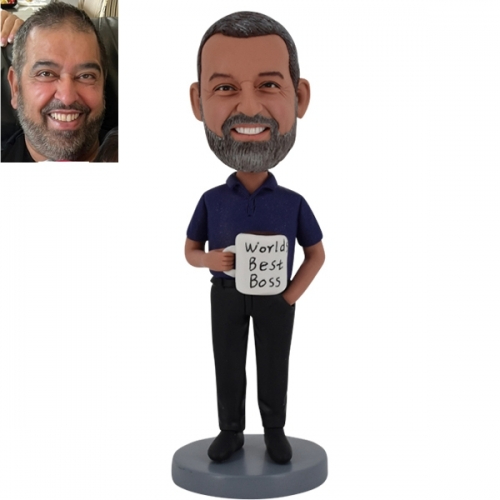
One major sign that the modern Bobblehead has matured is the rise of custom Bobblehead services. Today, individuals and businesses can order personalized Bobbleheads that capture a person's face, clothing, and hobbies in the classic Bobblehead format. This customization trend builds directly on the Bobblehead traditions that began in 1960, using modern digital sculpting and efficient production to turn almost anyone into a Bobblehead.
Custom Bobbleheads are used for:
- Corporate gifts and awards that recognize employees in a creative way.
- Wedding cake toppers, birthday surprises, and party favors that feature the couple or guest of honor as a Bobblehead.
- Promotional Bobbleheads featuring influencers, executives, or brand mascots to support marketing campaigns.
The ability to create oneoff or smallbatch Bobbleheads shows how far the industry has come since the first modern Bobblehead designs of the 1960s. Where once only major league players and global celebrities received Bobblehead treatment, now everyday people can have their own modern Bobblehead as a keepsake. This shift from masslicensed Bobblehead lines to personalized Bobblehead creations is one of the defining features of the modern Bobblehead market.
Since that first wave of modern Bobbleheads around 1960, the Bobblehead has become a pop culture icon. Modern Bobbleheads appear in TV shows, movies, commercials, and social media content. They sit on office desks, dashboards, studio sets, and home entertainment centers as small but meaningful reminders of favorite teams, shows, and personalities.
In sports, Bobblehead nights continue to be among the most popular promotions of the season. Fans plan which games to attend based on Bobblehead giveaways, and some even build entire trips around important Bobblehead nights. Modern Bobbleheads now celebrate not only players but also mascots, broadcasters, historic stadiums, and even famous moments like bat flips, championship victories, or viral celebrations.
Beyond sports, modern Bobbleheads cover everything from political figures and movie characters to musicians, YouTubers, and video game icons. This wide range of subjects reflects how deeply the modern Bobblehead concept has embedded itself into global pop culture, far beyond its first modern appearance in baseball stadiums.
Understanding when the first modern Bobblehead was invented helps explain why Bobbleheads have such enduring appeal. The 1960 baseball Bobbleheads arrived at a moment when sports were becoming more televisual and stardriven, and fans wanted physical connections to their heroes. The modern Bobblehead met that desire perfectly by delivering a fun, affordable, and instantly recognizable version of a favorite player.
Over time, the modern Bobblehead has become more than a souvenir. It is a piece of sports history, pop culture history, and even personal history. Collectors often use Bobbleheads to mark seasons, championships, concerts, political campaigns, or family milestones. Each modern Bobblehead on a shelf tells a story, whether it is about the 1960 World Series, a 1999 giveaway, or a custom wedding Bobblehead.
In short, the first modern Bobblehead, born in 1960, launched a collectible format that continues to evolve and expand decades later. The Bobblehead's journey from early nodding figurines to modern plastic and resin masterpieces underscores how a simple bobbling head can become a powerful symbol of fandom, memory, and identity.
The first modern Bobblehead was effectively invented around 1960, when Major League Baseball introduced papiermâché and ceramic Bobbleheads representing specific teams and star players. These early sports Bobbleheads set the standard for what a modern Bobblehead should be: a character with an oversized, bobbling head, tied to a recognizable figure and produced for fans on a meaningful scale.
Subsequent developments in materials and mass production, especially in the 1990s, brought the modern Bobblehead into a new era of plastic, stadium giveaways, and global pop culture. Today's modern Bobblehead industry—with its detailed sculpts, custom orders, and endless varieties—traces its roots back to the innovations of that 1960 baseball moment. When we ask “When was the first modern Bobblehead invented?”, we are really acknowledging a turning point where a simple nodding toy became a lasting icon of fandom and personal expression.
Contact us to get more information!
The first modern Bobblehead is generally traced to around 1960, when Major League Baseball produced papiermâché and ceramic Bobbleheads of teams and star players for the World Series. Earlier nodding figures existed, but these 1960 sports Bobbleheads defined the modern, collectible Bobblehead format most fans recognize today.
Earlier nodders were often decorative or novelty items with no strong connection to specific public figures or large fan communities. The 1960 Bobbleheads, by contrast, depicted actual baseball players in team uniforms, were massproduced for fans, and were part of coordinated product lines. This combination of recognizable subjects, consistent style, and wide distribution is what makes them “modern Bobbleheads.”
No. The first modern Bobbleheads from around 1960 were primarily made of papiermâché and ceramic, which made them somewhat fragile and collectible. Plastics and resin became common later, especially in the 1990s, when new manufacturing techniques dramatically lowered costs and allowed for more detailed, durable modern Bobbleheads suitable for large stadium giveaways.
The late1990s revival, highlighted by large stadium Bobblehead giveaways, brought modern Bobbleheads back into the spotlight. Plastic and resin materials allowed teams to hand out tens of thousands of Bobbleheads at games, turning Bobblehead nights into major promotional events. This era cemented the modern Bobblehead as a key part of sports marketing and fan culture, building on the foundation laid by the first modern Bobbleheads of 1960.
Early modern Bobbleheads from the 1960s are collectible because they are both historically important and relatively rare. Many of these Bobbleheads were fragile and did not survive in perfect condition. Those that remain intact represent the birth of the modern Bobblehead era, featuring legendary players and iconic designs that appeal to both sports fans and Bobblehead collectors who value the origins of the modern Bobblehead story.
1. https://www.bobbleheadhall.com/history/
2. https://www.bobbleheads.com/history-of-bobbleheads
3. https://www.whoopassenterprises.com/blog/whoopass-the-history-of-the-bobblehead/
4. https://coupleofthings.net/blogs/coupleofthings/the-history-of-bobbleheads-from-baseball-to-pop-culture-icon
5. https://en.wikipedia.org/wiki/Bobblehead
6. https://komonews.com/amazing-america/bobbleheads-the-moving-history-of-these-curious-collectibles
7. https://popculturespot.com/pages/history-of-bobble-heads


