
Views: 222 Author: Mia Publish Time: 2026-01-05 Origin: Site
Content Menu
● The Real Purpose of a Bobblehead Giveaway
● How Bobblehead Giveaways Work: Step-by-Step Process
>> Step 1: Ideation and Concept Design
>> Step 2: Prototype Development and Revisions
>> Step 3: Manufacturing and Quality Assurance
>> Step 4: Marketing and Promotion Campaign
>> Step 5: Event Day Distribution
● Why Bobblehead Giveaways Are So Effective
● Cost and Logistics of Organizing a Bobblehead Giveaway
● Customization Options That Enhance Brand Identity
● How Sports Teams Perfected Bobblehead Giveaways
● Planning a Flawless Bobblehead Giveaway Campaign
● Eco-Friendly Innovations in Bobblehead Production
● Common Mistakes to Avoid in Bobblehead Giveaways
● Long-Term Impact of Bobblehead Giveaways
● FAQ
>> 1. How long does it take to produce a Bobblehead giveaway order?
>> 2. What materials are most commonly used for Bobbleheads?
>> 3. Are Bobblehead giveaways suitable for small businesses?
>> 4. How can businesses track the ROI of a Bobblehead campaign?
>> 5. Can Bobbleheads be customized for international markets?
Bobblehead giveaways have evolved into one of the most creative and engaging marketing strategies used around the world. From baseball stadiums packed with fans to trade shows filled with curious visitors, these tiny, nodding figures carry a huge marketing punch. A Bobblehead giveaway is not only about distributing collectible figures — it's a strategic way to boost brand visibility, strengthen customer connection, and spark excitement before and after an event. This guide explores in detail how Bobblehead giveaways work from concept and production to marketing and execution. We'll also look at why they are so effective, how to plan them successfully, and what businesses should know to fully harness their branding potential.

A Bobblehead is a small figurine designed with an oversized head connected to its body using a spring or joint, allowing it to nod or “bobble.” Traditionally made of clay or ceramic, modern Bobbleheads are now produced using durable resin, PVC, or 3D-printed materials for finer detail and lighter weight.
Over time, Bobbleheads have become collectibles that symbolize enthusiasm, nostalgia, and loyalty. Whether customized to look like sports heroes, company founders, or fans themselves, each piece tells a small story that connects people to a moment or brand.
Common types of Bobbleheads include:
- Sports player Bobbleheads celebrating popular athletes.
- Custom Bobbleheads given to corporate employees or clients.
- Mascot Bobbleheads for promotional campaigns.
- Special-edition Bobbleheads for anniversaries or events.
At first glance, Bobbleheads seem purely entertaining, yet they are incredibly effective marketing instruments. Businesses and sports organizations use Bobblehead giveaways to attract attention, retain fans, and encourage active participation during campaigns.
The primary goals of a Bobblehead giveaway are:
- Brand exposure: Every Bobblehead serves as a mini advertisement sitting on desks, shelves, and dashboards.
- Memorability: Collectors cherish physical souvenirs that remind them of enjoyable experiences.
- Emotional connection: Their playful design stimulates positive memory associations with the brand.
- Exclusivity: Limited numbers make them valuable keepsakes that boost event attendance.
When executed correctly, a Bobblehead giveaway turns into a viral moment that earns organic publicity, photos, and online sharing.
A successful Bobblehead campaign begins with a creative concept that aligns with the brand message. The design team identifies the figure's personality — often based on a celebrity, employee, mascot, or loyal customer — and sketches poses that reflect that theme.
Digital artists then use 3D modeling software to build lifelike representations, ensuring proportional accuracy and brand consistency. Everything from facial expressions to clothing and base logos is carefully reviewed before prototype creation.
Customization can include:
- Specific head shapes or accessories related to the event.
- Custom nameplates with printed brand captions.
- Packaging designed to match color themes and slogans.
Once the 3D design is approved, factories create a physical prototype. This stage allows both the client and manufacturer to inspect the figure's overall shape, material color, paint quality, and bobble motion. Adjustments are made before bulk production begins.
Brands often order extra samples to ensure the Bobblehead matches brand guidelines precisely. Testing involves ensuring durability, avoiding paint chipping, and confirming head movement balance.
Production lines for Bobbleheads vary depending on the required quantity, but the process generally includes:
1. Mold creation and resin casting.
2. Sanding and surface smoothing.
3. Manual hand-painting of each figure.
4. Attachment of spring connectors for head mobility.
5. Assembling, drying, and packaging.
Quality inspection teams check every batch to ensure consistency across units. This is especially critical for large giveaway events where thousands of Bobbleheads represent the same design.
Factories in China and Southeast Asia are leaders in producing custom Bobbleheads efficiently, thanks to mature workflows, painting craftsmanship, and flexible order scales.
The success of a Bobblehead giveaway depends heavily on how it's marketed. Months before release, teaser posts, digital posters, and countdown clips create a sense of anticipation. Sports clubs, for example, announce their upcoming “Bobblehead Night” to encourage fan attendance and ticket sales.
Common strategies include:
- Creating short teaser videos showcasing the nodding Bobblehead.
- Encouraging pre-event social media shares using hashtags.
- Announcing limited quantities to drive urgency.
- Sending previews to influencers or loyal customers for unboxing content.
Another effective technique is connecting Bobbleheads with charitable causes — for instance, donating part of sales revenue to social programs. This emotional connection enhances both reputation and reach.
On the event date, staff or volunteers distribute Bobbleheads at entry points or registration counters. Proper logistics ensure smooth operations and avoid long waiting lines. Barcodes or ticket stamps can be used to prevent duplication and maintain inventory control.
Key practices for hassle-free distribution:
- Have enough staff to manage crowds efficiently.
- Store Bobbleheads safely to avoid damage.
- Distribute early attendees' Bobbleheads first to create buzz.
- Offer special-edition versions to VIPs or long-term customers.
Post-event excitement grows when fans show off their figures online, tagging the company or sports team — generating organic brand impressions at no additional cost.
The charm behind Bobbleheads lies in emotional psychology. Humans respond positively to animation and motion, especially when it's familiar or humorous. The simple “bobbling” effect triggers engagement and curiosity, creating joy each time it moves.
Primary advantages:
- Tangible marketing: A physical figure creates stronger recall than digital ads.
- Collectibility: Fans often seek complete series, increasing repeated engagement.
- Word of mouth: People naturally discuss or photograph eye-catching giveaways.
- Long display lifespan: Unlike flyers or leaflets, bobbleheads remain visible for years.
That long-term visibility is what transforms a simple giveaway into enduring promotional value.
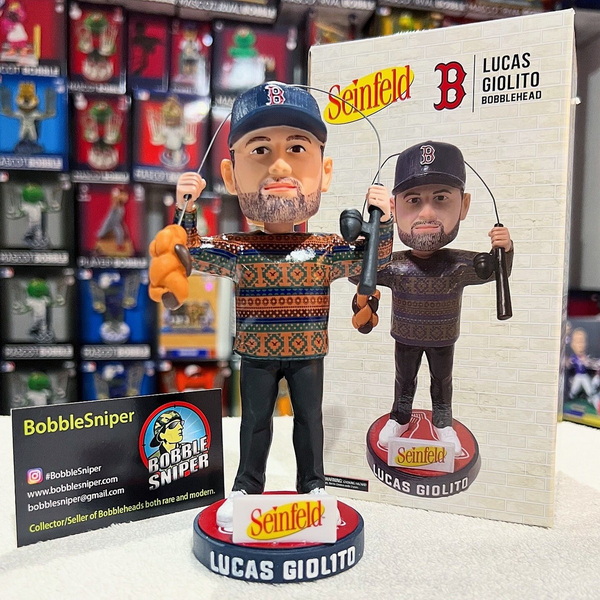
Planning budgets vary depending on size, material, and design detail. The most economical Bobblehead giveaways cost around $3–$5 per piece, while premium resin or licensed figures can exceed $15 per unit.
When calculating total expenses, organizers should consider:
- Design and mold creation fees (one-time cost).
- Painting and customization costs.
- Packaging and labeling.
- Shipping and storage logistics.
Companies planning international events should account for customs duties and delivery timelines. Working with experienced suppliers ensures both cost efficiency and product reliability.
Every company wants its giveaway to stand out. Tailor-made Bobbleheads connect the collectible directly with brand storytelling. Personalization increases sentimental value and makes recipients feel uniquely appreciated.
Popular customization touches include:
- Matching uniforms or outfits to employee dress codes.
- Adding product miniatures in hand.
- Custom printed slogans on the base.
- Color themes consistent with brand graphics.
Some brands even design series collections — for example, one Bobblehead per department or per event — encouraging repeat participation over time.
Major League Baseball teams popularized Bobblehead giveaways during the late 1990s. Teams realized that limited-edition collectibles significantly increased ticket sales and game-day excitement. Each fan wanted to secure the figurine of their favorite player.
From there, companies outside of sports adopted the concept. Today, Bobbleheads celebrate everyone from movie characters to corporate leaders. The excitement of exclusivity and collectibility works across industries — from tech conferences to product launches.
A well-designed Bobblehead can even become part of company culture, displayed proudly on office desks or included in staff recognition programs.
A structured approach ensures success:
1. Define the goal. Determine whether the giveaway aims to boost sales, attendance, or loyalty.
2. Identify the audience. Design figures that genuinely connect with recipient interests.
3. Select manufacturing partners. Choose producers that specialize in custom Bobbleheads and ensure quality control.
4. Align with marketing. Coordinate rollouts with online campaigns, press outreach, and influencer engagement.
5. Monitor performance. Analyze data such as customer growth, follower increase, or engagement metrics afterward.
This systematic plan turns a one-day event into a sustainable marketing opportunity.
As environmental awareness grows, Bobblehead manufacturers are embracing greener production. Many now substitute traditional plastics with bioresin or recycled materials, and packaging is becoming more sustainable through paper-based alternatives.
Brands are encouraged to highlight these eco-friendly innovations in campaign storytelling — doing so resonates strongly with modern consumers who value responsible production.
By positioning your giveaway as both entertaining and eco-conscious, you appeal to a wider and more ethically aware audience.
Even with preparation, organizers may encounter pitfalls that affect impact.
Frequent missteps include:
- Ignoring production timelines: Late shipments can ruin launch dates.
- Poor design quality: Features that do not resemble intended personalities disappoint fans.
- Overproduction: Unused stock leads to unnecessary cost and waste.
- Weak promotion: Without proper marketing, even great Bobbleheads go unnoticed.
Avoid these by selecting reputable suppliers, starting production early, and promoting consistently across multiple channels.
Unlike temporary advertising, a Bobblehead giveaway continues to generate exposure long after the event ends. Fans often display them at home, at work, or on social media — creating organic digital impressions daily.
The collectible nature of Bobbleheads makes them part of community culture. Some even become investment pieces as limited editions appreciate in value over time. This ongoing engagement transforms a low-cost item into a priceless marketing symbol of connection.
A well-designed Bobblehead never goes out of style — it simply keeps nodding and reminding people of the brand behind it.
A Bobblehead giveaway combines art, branding, and excitement in one charming promotional tool. From concept design and meticulous manufacturing to targeted marketing and long-lasting emotional appeal, it remains one of the most effective strategies in both entertainment and corporate promotions.
By understanding how Bobblehead giveaways operate and taking advantage of customization, quality assurance, and smart distribution, businesses can amplify visibility beyond traditional advertising channels. The next time you plan a marketing campaign, consider the power of a smiling little figure — because sometimes, effective branding truly starts with a nod.
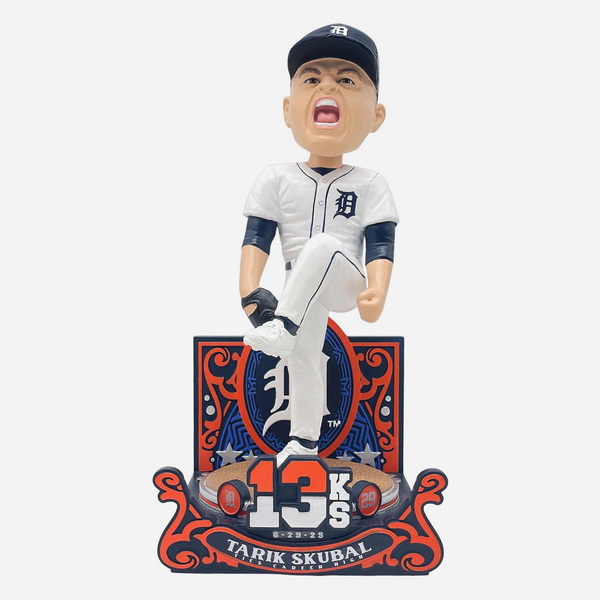
Production time usually ranges from 4 to 8 weeks, depending on customization level, painting complexity, and shipping distance. Planning at least three months ahead is ideal.
Most Bobbleheads are made from resin or PVC. Some eco-friendly manufacturers use biodegradable composites or recycled materials to reduce waste.
Yes. Smaller brands can create limited editions for staff gifting or community engagement without large-scale budgets, focusing on creative designs and storytelling.
Marketers analyze engagement metrics — social media tags, attendance spikes, web traffic, and customer inquiries — to measure the overall return from the campaign.
Absolutely. Manufacturers can modify hairstyles, costumes, or color tones to fit cultural preferences, making the giveaway relevant across global audiences.


