
Content Menu
● Planning Your Bobblehead Design
● Choosing Materials And Tools For A Bobblehead
● Sculpting The Bobblehead Head
● Sculpting The Bobblehead Body And Base
● Making The Bobblehead Spring Mechanism
● Curing, Sanding, And Preparing For Paint
● Painting And Detailing Your Bobblehead
● Displaying, Caring For, And Using Your Bobblehead
● FAQ
>> 1. How long does it take to make a Bobblehead?
>> 2. What is the best material for a beginner Bobblehead?
>> 3. Do I need special tools to make a Bobblehead?
>> 4. Can I turn an existing figurine into a Bobblehead?
>> 5. Where can I learn more Bobblehead techniques?
A custom Bobblehead is a playful miniature with an oversized, wobbling head that captures a person, pet, or character in threedimensional form. With basic sculpting materials, a simple spring mechanism, and some patience, you can design and make your own Bobblehead at home or in a small workshop.

A Bobblehead is a small figurine whose head is connected to the body with a spring or flexible stem so it moves or “bobbles” when tapped. Classic Bobbleheads have caricaturestyle proportions: a large head, simplified body, and a stable base for display.
Typical Bobblehead features:
- Oversized head with recognizable facial features and hairstyle.
- Compact body and base sculpted in a specific pose, outfit, or theme.
- Spring mechanism between head and body that allows the Bobblehead to wobble.
Before touching clay, plan what your Bobblehead should look like, what pose it will have, and how stylized or realistic it should be. Clear design decisions make the sculpting and assembly process smoother and help the Bobblehead feel cohesive.
Key planning steps:
- Choose the subject: yourself, a friend, a celebrity parody, a pet, or a brand character Bobblehead.
- Decide on style: cartoonish, semirealistic, or highly stylized Bobblehead proportions.
- Select pose: standing with crossed arms, holding a tool, playing a sport, or sitting with a prop for the Bobblehead.
- Plan outfit and accessories: uniforms, sports jerseys, instruments, laptops, or hobby items that define the Bobblehead.
Reference collection for likeness:
- Gather clear photos from the front, side, and 3/4 angle, especially if the Bobblehead represents a real person.
- Note key details such as glasses, facial hair, tattoos, and hair texture that must appear in the Bobblehead sculpt.
The material you select determines how you sculpt, cure, and finish your Bobblehead. Hobbyists often use clay, while more advanced makers use resin casts or 3D printing to replicate Bobblehead designs.
Common Bobblehead materials:
- Polymer clay: ovenbake clay that is easy to sculpt and holds fine details for heads and bodies.
- Airdry clay: userfriendly for kids and beginners; no oven required, but may be
- Resin: typically used when making molds and casting multiple copies of the same Bobblehead.
- 3D printing filament or resin: for digital Bobblehead models printed on home or commercial printers.
Basic tools for Bobblehead making:
- Sculpting tools: metal or plastic tools, toothpicks, and brushes for detail work.
- Cutting tools: hobby knife and small saw for trimming the Bobblehead base or internal supports.
- Sandpaper and files: for smoothing cured clay, resin, or printed Bobblehead surfaces.
- Brushes and paints: acrylic paints and fine brushes for detailed Bobblehead painting.
The head is the heart of a Bobblehead because it carries most of the character and personality. Whether you sculpt by hand or print digitally, the Bobblehead head should be expressive, slightly exaggerated, and light enough to move on a spring.
Steps for sculpting a clay Bobblehead head:
- Start with a conditioned ball of clay larger than the final head size to allow for refinement.
- Roughly block out skull shape, cheeks, chin, and basic head volume before adding small features.
- Add eyes, nose, mouth, and ears, using reference photos to place them correctly on the Bobblehead face.
- Sculpt hair last, building it in layers or strands to capture texture and direction.
- Incorporate a neck stub or recessed area at the bottom where the Bobblehead spring will eventually attach.
Weight and internal structure:
- Keep walls reasonably thin or carve out a cavity in the head to prevent a heavy Bobblehead that overwhelms the spring.
- Avoid thick, solid masses of clay in hair or hats; build up details with lighter layers.
3D modeling alternative:
- Use 3D scanning or digital sculpting tools to capture a face and stylize it into a Bobblehead head, then print it on a 3D printer.
The body and base complete the Bobblehead design and support the wobbling head. Unlike the head, the Bobblehead body can be more simplified and caricatured, which makes sculpting faster.
Body sculpting guidelines:
- Shape a stylized torso, arms, and legs with slightly exaggerated hands or shoes to match the big Bobblehead head.
- Pose the Bobblehead in a way that fits the character: hands on hips, holding a ball, typing on a laptop, or playing an instrument.
- Add clothing folds, belts, buttons, and wrinkles after blocking out the main Bobblehead shapes
Designing the base:
- Make the base wide and heavy enough so the Bobblehead does not tip when the head moves.
- Add simple texture or decorations like grass, floorboards, logos, nameplates, or dates.
- Leave space in the center of the base for the lower end of the spring or support post that holds the Bobblehead head.
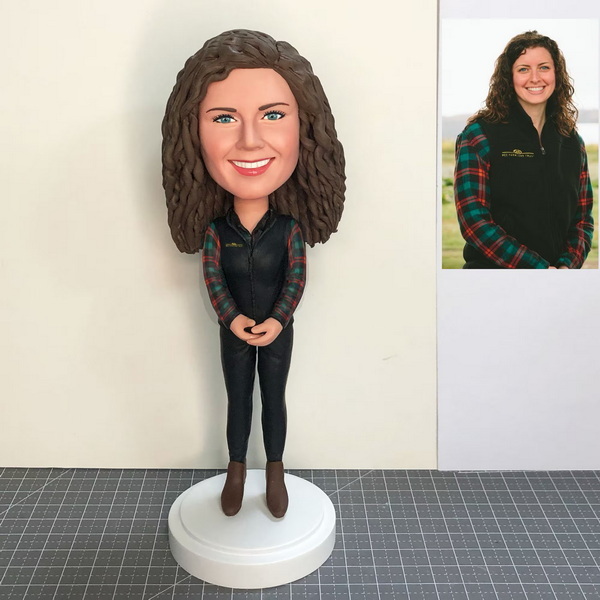
The signature movement of a Bobblehead comes from a simple spring or flexible stem connecting the head and body. Getting the spring size and placement right makes the Bobblehead wobble smoothly instead of flopping or barely moving.
Spring mechanism basics:
- A coil spring is attached at one end to the body or base and at the other end to the head.
- The spring must be stiff enough to support the weight of the Bobblehead head but flexible enough to allow visible bobbling.
- The attachment points must be centered so the Bobblehead returns to a neutral position after movement.
Practical steps:
- Select or create a spring: you can buy small springs or form one by tightly wrapping wire around a rod, leaving straight ends for mounting.
- Drill or carve a hole in the top of the body or neck area to accept the lower end of the Bobblehead spring, then glue it securely.
- Make a matching hole or socket in the underside of the head and fix the upper end of the spring there with strong adhesive.
- Test the Bobblehead motion and adjust spring length, thickness, or position if the head leans too much to one side.
After sculpting and assembling the basic Bobblehead structure, the clay or printed parts must be hardened and smoothed. Proper curing and surface preparation significantly improve the final paint finish on the Bobblehead.
For clay Bobbleheads:
- Bake polymer clay parts in a home oven according to the manufacturer's instructions, usually on a flat tray.
- Let the Bobblehead components cool completely before handling to avoid cracks or deformation.
- Lightly sand rough spots, seams, and fingerprints with finegrit sandpaper for a smoother surface.
For 3Dprinted Bobbleheads:
- Remove supports and clean the prints, then cure resin parts if necessary.
- Use putty or filler to smooth visible layer lines or gaps in the Bobblehead model.
- Sand in stages with progressively finer grits until the Bobblehead feels even to the touch.
Painting turns a plain sculpt into a finished Bobblehead with personality, color, and character. Layered painting, careful shading, and small details make a Bobblehead instantly recognizable.
Painting workflow:
- Apply a primer coat to help paint adhere and reveal any surface flaws on the Bobblehead.
- Lay down base colors: skin tone, hair color, clothing colors, and base background using acrylic paints.
- Add shading and highlights to cheeks, nose, folds in clothing, and prop surfaces for depth.
- Paint small details: eyes, brows, eyelashes, logos, text, and tiny patterns on the Bobblehead outfit.
- Seal with a clear matte or satin varnish to protect the Bobblehead paint and unify the finish.
Tips for facial detailing:
- Use thin brushes and thinned paint for eyes and facial lines to avoid thick, cartoonish blobs.
- Keep reference photos close while painting the Bobblehead face so expressions stay consistent.
Once your Bobblehead is complete, correct display and care will help it last and stay attractive. Bobbleheads are perfect for desks, shelves, store counters, and promotional displays.
Display tips:
- Place the Bobblehead on a solid, flat surface away from edges to prevent falls when it wobbles.
- Avoid direct sunlight or extreme heat, which can fade paint or soften some materials.
- Keep Bobbleheads in dustfree display cases if they are part of a serious collection.
Care and maintenance:
- Dust regularly with a soft brush or microfiber cloth, especially around hair and fine Bobblehead details.
- Clean small marks gently with a slightly damp cloth; avoid harsh chemicals that could damage paint.
- If the Bobblehead spring loosens over time, reglue it carefully without smearing adhesive on visible areas.
Usage ideas:
- Corporate desks and reception areas to add personality and brand storytelling.
- Gifts for birthdays, retirements, weddings, and graduations, featuring custom Bobblehead designs.
- Limitededition Bobblehead runs for clubs, fan events, or marketing campaigns.
Making a Bobblehead from scratch is a creative process that combines sculpting, simple mechanics, and detailed painting to bring a small, wobbling character to life. By planning your design, choosing suitable materials, sculpting an expressive head and stylized body, adding a wellbalanced spring mechanism, and carefully finishing the surface, you can build Bobbleheads that feel personal and professional. Whether for gifts, collections, or marketing, a custom Bobblehead is a memorable way to turn people and ideas into fun, threedimensional miniatures that nod along with every tap.
Contact us to get more information!
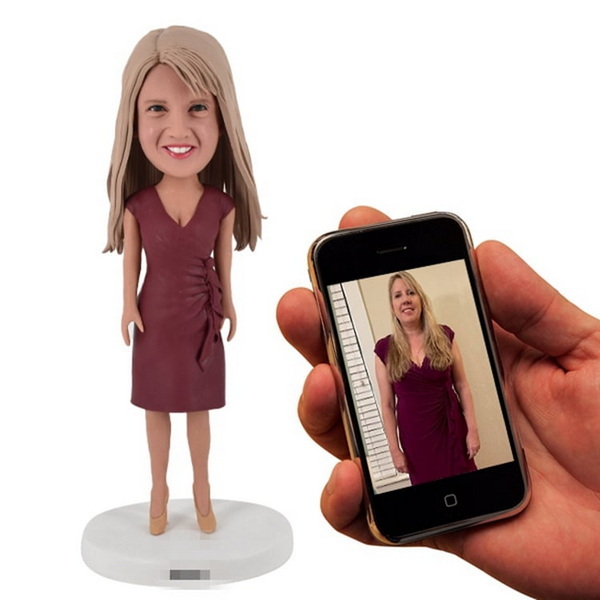
The time needed to make a Bobblehead depends on your materials, design complexity, and experience, but many DIY projects take several days to a few weeks from start to finish. Sculpting, curing, sanding, painting, and adding the spring all require drying or cooling time, especially if you work on fine Bobblehead details.
For beginners, polymer clay or airdry clay are popular choices for Bobblehead making because they are easy to sculpt and accessible. Polymer clay offers greater durability after baking, while airdry clay is ideal for simple Bobblehead projects with children or classrooms.
You can start a basic Bobblehead project with a small set of sculpting tools, a hobby knife, sandpaper, and paintbrushes. More advanced tools like rotary tools, 3D printers, or casting equipment can improve speed and consistency but are not required for a single Bobblehead.
Yes, it is possible to modify a regular figurine into a Bobblehead by separating the head, adding a spring, and adjusting the balance. You need enough space in the neck area and stable support in the body or base so the new Bobblehead head can wobble safely.
You can learn advanced Bobblehead techniques from online tutorials, sculpting lessons, 3D printing guides, and craft blogs. Many creators share full stepbystep Bobblehead builds on video platforms and DIY sites, making it easier to follow along at your own pace.


