
Views: 222 Author: Mia Publish Time: 2026-01-26 Origin: Site
Content Menu
● Understanding Bobblehead Materials and Wood Glue
● Can You Use Wood Glue on a Bobblehead?
>> Bobblehead Joints Where Wood Glue Is Weak
>> When Wood Glue Around a Bobblehead Is Acceptable
● Best Types of Glue for Bobblehead Repair
>> Epoxy Resin Glue for Strong Bobblehead Joints
>> Cyanoacrylate (Super Glue) for Quick Bobblehead Fixes
>> Other Adhesives for Special Bobblehead Situations
● How To Fix a Bobblehead That Was Glued Wrong With Wood Glue
>> Step 1: Break or Separate the Weak Wood Glue Joint
>> Step 2: Remove Wood Glue Residue From the Bobblehead
>> Step 3: Re-glue With Epoxy or Super Glue
● Step-by-Step: Repairing a Bobblehead Head Without Wood Glue
>> Cleaning and Preparing the Bobblehead Neck Joint
>> Aligning the Bobblehead Head and Spring
>> Gluing and Curing the Bobblehead Head
● Repairing a Bobblehead Base or Body Without Wood Glue
>> Using Pins and Epoxy for Stronger Bobblehead Joints
>> Filling Gaps and Repainting the Bobblehead
● Why Wood Glue Is Not Ideal for Resin and Plastic Bobbleheads
● Extra Tips for Protecting a Repaired Bobblehead
>> Let the Bobblehead Cure Completely
>> Improve the Display Environment for the Bobblehead
>> Handle the Repaired Bobblehead Gently
● FAQ
>> 1. Can I use wood glue to repair a resin Bobblehead?
>> 2. Is wood glue ever useful when working with a Bobblehead?
>> 3. How do I remove wood glue from my Bobblehead?
>> 4. What glue should I use instead of wood glue on a Bobblehead?
>> 5. Will a Bobblehead repaired with epoxy or super glue still bobble correctly?
A broken Bobblehead is frustrating, and many collectors instinctively reach for wood glue because it is common, cheap, and easy to find. In reality, most Bobblehead figures are made from resin, plastic, ceramic, or polymer clay, so using wood glue on a Bobblehead is usually not the best idea for a permanent repair. Wood glue has its place when working with a wooden Bobblehead base or stand, but for structural Bobblehead repairs you will normally rely on epoxy, cyanoacrylate super glue, or other adhesives designed for non-porous materials.
This guide explains when wood glue can be used around a Bobblehead, when it should be avoided, and which glues are better choices for repairing Bobblehead heads, springs, bases, and painted details. You will learn step-by-step Bobblehead repair methods, how to correct a bad wood glue Bobblehead repair, and how to protect your Bobblehead after the fix so it stays intact for years. Throughout the article, we will focus on keeping the Bobblehead stable, clean, and able to bobble freely after repair.

Most modern Bobblehead figures are cast from resin, PVC, ABS plastic, ceramic, or a mix of these materials, while some older or custom Bobblehead pieces may include wood bases or wooden display parts. These materials behave very differently from wood, and that directly affects which glue works best on a Bobblehead. To repair a Bobblehead correctly, you need to match the adhesive to the material rather than rely on a single “universal” product.
Wood glue is typically a PVA-based adhesive designed to penetrate porous fibers in wood and paper. It excels when clamping two wooden surfaces together because it soaks into the grain and forms a strong internal lock as it dries. On smooth resin, plastic, or ceramic Bobblehead parts, wood glue cannot penetrate the surface, so it leaves only a weak film that often peels or shears off under impact or when humidity changes. As a result, wood glue is rarely suitable for main structural joints on a Bobblehead.
If you try to repair a broken Bobblehead neck, head, arm, or leg made from resin or plastic using wood glue, you will likely notice that the joint feels rubbery and breaks again easily. The smooth, non-porous Bobblehead surface gives wood glue nothing to grip, so the bond depends only on a thin layer of dried adhesive. A light drop, a twist of the Bobblehead head, or even normal bobbling motion can cause a wood glue joint to fail, leaving the Bobblehead damaged again.
Wood glue is also sensitive to moisture and can weaken over time if the Bobblehead is displayed in a humid environment. For collectors who want a long-term, stable Bobblehead repair, this makes wood glue a risky choice for critical joints and moving parts. In addition, dried wood glue often remains slightly flexible compared with epoxy, which can cause subtle shifts in the Bobblehead joint each time it moves.
Wood glue can still play a limited role in a Bobblehead setup when you are dealing with actual wood. If you have a wooden Bobblehead display stand, shelf, or a wooden decorative base, wood glue works well to join those wooden components or repair a crack in the wood. In that situation, you are not gluing the Bobblehead itself but the wood around it, and the adhesive is being used as intended on a porous material.
Another acceptable use is temporary, reversible mounting. Because wood glue creates a relatively weak bond on resin or plastic, some hobbyists may use a tiny dot of wood glue to tack a Bobblehead or mini figure to a wooden jig or handle while painting, with the intention of prying it off later. For permanent structural Bobblehead repairs, however, more suitable glues are strongly recommended so the Bobblehead can withstand normal handling and display conditions.
Two-part epoxy resin glue is one of the best choices for major Bobblehead breaks and structural repairs. Epoxy consists of a resin and a hardener that you mix just before use. Once combined, it cures into a very strong, durable bond that works well on resin, plastic, metal, glass, and ceramic Bobblehead parts. It fills small gaps and does not rely on perfect surface contact, which is helpful when a Bobblehead piece has chipped edges or missing fragments.
Epoxy is ideal for reattaching a Bobblehead head to the body, repairing a broken Bobblehead base, or pinning and gluing heavy Bobblehead components. It takes longer to cure than super glue but produces a tougher joint and can be sanded and painted over once hard. For collectors who want a long-lasting Bobblehead repair that survives small bumps and regular bobbling, epoxy is usually the best option.
Cyanoacrylate glue, often called super glue, is excellent for fast Bobblehead repairs involving small, clean breaks. It bonds quickly to resin, PVC, and many plastics used in Bobblehead production and can be applied precisely with a fine tip. Super glue works especially well for reattaching small Bobblehead details such as fingers, accessories, or small chips around the neck or hat.
For long cracks or fragile Bobblehead areas that will experience stress, super glue alone may be too brittle, so you might reinforce the repair with a pin or switch to epoxy. Many Bobblehead collectors combine both: super glue for initial positioning and epoxy for long-term strength in critical joints. This hybrid approach lets you set the Bobblehead accurately and then secure it permanently.
For some Bobblehead repairs, polyurethane adhesive, UV resin glue, or flexible polymer glues can be useful. Polyurethane adhesives create strong, moisture-resistant bonds and can be used for outdoor Bobblehead displays or mixed-material bases, though they may foam and require trimming. UV resin glue, cured with a UV light, is handy for small, clear Bobblehead repairs where you want an almost invisible seam.
Flexible polymer glues can be used when a Bobblehead repair must tolerate some movement or when bonding different materials such as rubber accessories or fabric details on the Bobblehead. However, these remain specialty options; for most Bobblehead repairs, epoxy and super glue cover nearly all needs and provide predictable, strong results.
Many collectors discover the limits of wood glue only after repairing a Bobblehead and seeing the joint fail. Fortunately, you can usually undo a bad wood glue Bobblehead repair and redo it with better adhesives.
Because wood glue does not bond strongly to resin or plastic, a failed Bobblehead joint can often be separated with careful pressure. Hold the Bobblehead securely and gently twist or pull the parts apart, using slow, controlled force. If necessary, you can slide a thin plastic tool or craft knife into the Bobblehead gap to cut the wood glue film, but take care not to scratch the figure.
Once the Bobblehead pieces are separated, inspect both surfaces for remaining glue and any new chips or cracks that may have appeared during separation. If a small chip has broken off near the Bobblehead joint, save it so you can reattach it later during the main repair.
Use a craft knife, dental pick, or toothpick to scrape off as much dried wood glue as possible from the Bobblehead parts. Because the bond is weak, the wood glue often peels away in flakes. For stubborn patches, lightly sanding with fine grit paper can help, but avoid sanding painted Bobblehead areas more than necessary to preserve the original finish.
If the Bobblehead material tolerates it, a small amount of warm water on a cloth may soften the PVA glue film so it can be rubbed away. Dry the Bobblehead thoroughly afterward and make sure there is no moisture trapped in cavities before applying new adhesive. Any leftover moisture can interfere with epoxy curing and weaken the new Bobblehead joint.
Once the Bobblehead surfaces are clean and dry, perform a dry-fit to check alignment. Then, depending on the size and importance of the joint, choose epoxy or super glue. For a critical Bobblehead neck or base repair, mix epoxy and apply a thin, even layer. For small details on the Bobblehead, use a drop of super glue.
Hold the Bobblehead parts firmly together in the correct orientation until they set, and then let them cure undisturbed according to the product instructions. After curing, test the Bobblehead motion gently and add touch-up paint if needed. A correctly executed re-glue using epoxy or super glue will be much stronger and more reliable than the original wood glue repair.
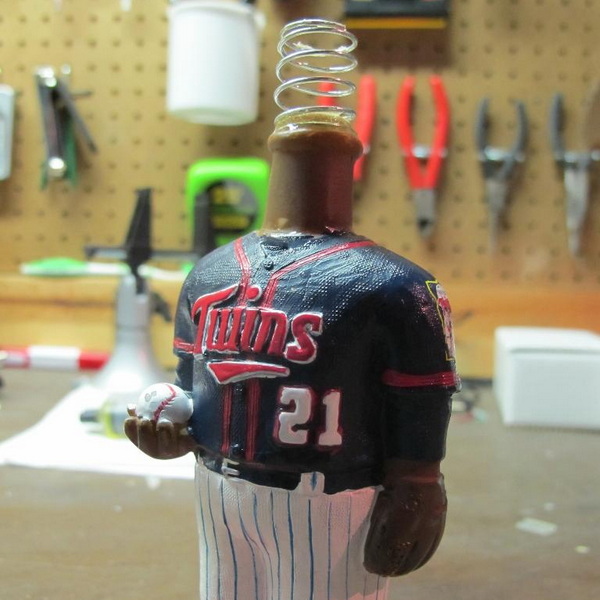
Begin by cleaning any dust, dirt, or old glue from the Bobblehead head cavity and neck connector using cotton swabs and alcohol. This step is crucial because oils and residue can prevent epoxy or super glue from forming a strong bond. Let the Bobblehead parts dry completely in open air before continuing.
Next, lightly roughen the inside surfaces where the Bobblehead glue will adhere, using fine sandpaper or a small file. You do not need deep scratches, just a subtle texture to give the adhesive more grip on the Bobblehead. Avoid roughening visible areas to keep the outside finish smooth and unchanged.
Slip the Bobblehead head onto the spring without glue and observe its position. The face should point straight forward, and the gap between the Bobblehead head and shoulders should look natural. If the head leans, gently adjust the spring with needle-nose pliers or twist the spring within the cavity until the Bobblehead sits evenly.
Testing this alignment before gluing saves you from forcing the Bobblehead into position while the adhesive is setting, which can create weak spots and misaligned movement. Once you are satisfied with the dry-fit, carefully remove the head again so you can apply glue.
Apply a small amount of epoxy or super glue to the areas you roughened inside the Bobblehead head or around the neck peg. Avoid coating the entire spring; aim for contact points that actually touch the Bobblehead plastic or resin. Push the head onto the spring and hold it still in the correct orientation for a few minutes until the adhesive grabs.
Place the Bobblehead in a safe position where the head is not under strain while curing. Some collectors use foam blocks, rice-filled containers, or soft towels to support the Bobblehead head and keep it stable. After curing, test the bobbling motion with light taps and confirm that the Bobblehead head moves freely without scraping or sticking.
For larger Bobblehead breaks, such as at the ankles, legs, or base, combining pins and epoxy creates a very strong joint. Use a pin vise or small drill to make matching holes in both broken Bobblehead pieces. Cut a section of metal paperclip or brass rod to use as a pin, and dry-fit it to be sure the Bobblehead parts align correctly without gaps.
Mix epoxy, apply some into each hole and along the break, then insert the pin and press the Bobblehead pieces together. Wipe away excess glue and support the figure while the joint cures. This method provides far more strength than wood glue and resists the repeated small shocks from the Bobblehead motion and everyday handling.
After the main Bobblehead joint is solid, inspect for gaps or rough edges along the break. Apply epoxy putty to fill gaps, sculpting it with a tool to follow the Bobblehead contours. Once hardened, sand the putty smooth and use acrylic paints to match the original colors on the Bobblehead.
A final coat of clear varnish can help the Bobblehead repair blend seamlessly with the factory finish. This finish coat also protects the new paint and makes the repaired Bobblehead easier to clean in the future without damaging your touch-up work.
From a chemistry perspective, wood glue depends on soaking into fibers and forming a continuous film that interlocks with wood grain. Resin and plastic Bobblehead surfaces are smooth, non-porous, and often slightly glossy, so wood glue has no pores to penetrate. At best, it sticks to the top layer and can be peeled off like a thin skin under stress.
By contrast, epoxy and cyanoacrylate adhesives are designed to bond to non-porous materials by forming strong mechanical and chemical bonds at the surface. That is why Bobblehead repair experts consistently recommend these glues and caution against relying on wood glue for anything more than temporary or decorative work around a Bobblehead display. Understanding this difference helps you choose the right product the first time and avoid repeated Bobblehead failures.
Once you finish repairing a Bobblehead, how you display and handle it will decide how long the repair lasts. A well-repaired Bobblehead can still fail if it is treated like a toy afterward, especially if the break was serious.
After using glue, epoxy, or paint, always respect the full curing time. Even if a Bobblehead feels dry on the surface after one or two hours, the inner material may still be soft. Moving or bobbing the Bobblehead too soon can create micro-cracks in the repair or knock parts out of alignment. Waiting a full day is usually a good rule for most Bobblehead repairs to ensure long-term strength.
Place the repaired Bobblehead in a stable display location with minimal vibration. Avoid narrow edges or unstable shelves that increase the risk of falls. If the Bobblehead suffered a serious break in the past, consider putting it inside a display case or behind glass to limit dust, handling, and accidental knocks that could stress the repaired joint.
Even a strong repair will never be as perfect as an unbroken original Bobblehead. Always pick up your Bobblehead by the base, not by the head, and avoid aggressive shaking. Treat the repaired Bobblehead as a delicate collectible and you will greatly extend the life of your repair work and preserve both the appearance and the bobbling function.
Using wood glue on a Bobblehead might seem like a quick fix, but in most cases it is the wrong tool for the job. Because Bobblehead figures are typically made from resin, plastic, or ceramic, you need adhesives like epoxy and cyanoacrylate that are engineered for non-porous surfaces and repeated movement. Wood glue has a limited role around a Bobblehead, mainly for repairing or building wooden display elements, not for structural figure joints.
By understanding your Bobblehead's materials, removing weak wood glue joints, and replacing them with proper adhesives, you can restore broken Bobblehead heads, bases, and details with confidence. Combine good gluing practices with careful surface preparation, pinning, and repainting, and your repaired Bobblehead will look great, bobble smoothly, and stay together for many years. In the end, choosing the right glue and technique is the key to successful Bobblehead repair and long-term enjoyment of your collection.
Contact us to get more information!
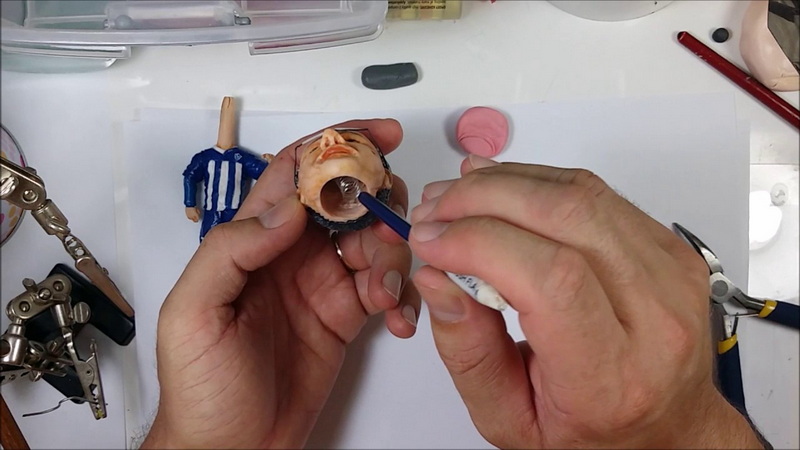
Wood glue is not recommended for resin Bobblehead repairs because it is designed for porous materials like wood, not smooth resin. On a resin Bobblehead, wood glue usually forms a weak skin that peels or breaks under light impact or stress. For resin Bobblehead figures, use epoxy or cyanoacrylate super glue instead for a strong, durable bond.
Wood glue can be useful when you are repairing or building a wooden base, shelf, or display stand for your Bobblehead. It performs very well on wood-to-wood joints and can help support a Bobblehead setup indirectly. However, you should avoid using wood glue on the Bobblehead figure itself unless you intentionally want a temporary, weak bond that can be removed later.
To remove wood glue from a Bobblehead, gently pry or twist the parts apart if the bond has already failed. Then scrape away dried glue with a toothpick, craft knife, or dental tool, taking care not to gouge the Bobblehead. Light sanding and, if safe for the material, wiping with a damp cloth or a bit of alcohol can help remove any remaining residue before re-gluing with epoxy or super glue.
For most Bobblehead repairs, two-part epoxy is the best option for large or load-bearing joints, and cyanoacrylate super glue works well for small, clean breaks. Both adhesives bond strongly to resin, plastic, and ceramic Bobblehead materials. Choose epoxy when you need gap filling and maximum strength, and super glue when you need a quick, precise fix on minor Bobblehead damage.
Yes, a Bobblehead repaired with epoxy or super glue can bobble correctly if you maintain proper alignment and avoid getting glue on the moving parts of the spring or cavity. Always dry-fit the Bobblehead head and test orientation before gluing, use minimal adhesive on non-moving surfaces, and let the joint fully cure before testing the bobble. With careful technique, your repaired Bobblehead should move just as well as before the break.
1. https://www.reddit.com/r/minipainting/comments/15r4dxy/fill_and_glue_bobble_head_to_neck/
2. https://www.reddit.com/r/howto/comments/1f9zfmy/fix_my_bobblehead/
3. https://www.ennasgifts.com/a-news-what-is-the-best-glue-to-use-for-resin-statue.html
4. https://www.loctiteproducts.com/ideas/fix-stuff/repairing-a-figurine.html
5. https://lakesidepottery.com/Pages/Pottery-tips/epoxies-vs-cyanoacrylate-super-glue-crazy-glue-ceramic-china-repair.htm
6. https://hirosarts.com/blog/finding-the-best-glue-for-resin/


