
Content Menu
● What Is An Indian Bobblehead?
● Cultural Roots Behind Indian Bobbleheads
>> Traditional Figurines And Idol Culture
>> Humor, Car Dashboards, And Daily Life
● Popular Types Of Indian Bobbleheads
>> Cricket And Sports Bobbleheads
>> Bollywood And Celebrity Bobbleheads
>> Everyday Characters And Folk Figures
● Design Features Of Indian Bobbleheads
>> Clothing, Jewelry, And Props
>> Colors, Patterns, And Facial Expressions
● How Indian Bobbleheads Are Manufactured
>> Materials And Production Steps
>> Customization And SmallBatch Crafting
● Indian Bobblehead As A Gift And Souvenir
>> Corporate And Promotional Uses
● Indian Bobbleheads In The Global Market
>> Appeal To International Collectors
● Why Indian Bobblehead Stands Out
● FAQ
>> 1. Why are Indian Bobbleheads different from regular bobbleheads?
>> 2. Are deity Bobbleheads appropriate to use in cars or offices?
>> 3. Can I get a custom Indian Bobblehead made to look like me?
>> 4. How should I choose a quality Indian Bobblehead?
>> 5. Do Indian Bobbleheads have collectible value?
Indian Bobblehead figures are attracting attention because they combine the universal fun of a nodding head with the colors, symbols, and stories of Indian culture. An Indian Bobblehead can represent gods, cricket heroes, film stars, or everyday people, all captured in a single expressive, wobbling figure. As gifts, collectibles, and branding tools, the Indian Bobblehead turns cultural pride and personality into a small object that is easy to display and hard to forget.

An Indian Bobblehead is a noddinghead figurine designed around Indian themes such as religion, festivals, sports, cinema, and regional traditions. Instead of generic clothing and faces, an Indian Bobblehead usually wears Indian outfits and carries props that immediately signal an Indian identity.
These Bobblehead designs range from spiritual figures and folk characters to modern office workers, autorickshaw drivers, students, and IT professionals. By using the Bobblehead format, creators turn familiar Indian archetypes into playful miniatures that can sit on car dashboards, work desks, or home shelves.
India has a long tradition of crafting figurines and idols from clay, wood, metal, and stone for worship and decoration. Festival displays, temple sculptures, and household shrines often feature small figures of deities, saints, dancers, and mythological scenes.
When the modern Bobblehead concept entered the market through global toys and collectibles, it naturally blended with this existing figurine culture. Indian Bobblehead makers simply added a nodding mechanism and stylized proportions to storytelling practices that already relied on small, characterrich sculptures.
Humor and satire are deeply embedded in Indian media, from Bollywood comedies to cartoons and online memes. A nodding Bobblehead fits perfectly into this environment because its constant wobble suggests agreement, irony, or gentle teasing.
In many cars, an Indian Bobblehead on the dashboard nods along to traffic and conversations, making long drives feel less stressful. In offices, a small Indian Bobblehead can soften the formality of a cubicle or meeting room and silently react to the day's emails and meetings.
Indian deity Bobblehead figures portray gods and goddesses such as Ganesha, Krishna, Shiva, or Lakshmi in simplified, friendly forms. Their heads nod gently with movement, giving a sense of blessing or presence to drivers and homeowners who keep them nearby.
Because religious imagery is sensitive, reputable producers strive for respectful poses, proper attributes, and dignified expressions, even when the design is stylized. For many users, a deity Bobblehead is both a devotional object and a charming decorative piece.
Cricket is one of India's strongest passions, and this naturally extends to cricketthemed Bobblehead dolls. A cricket Indian Bobblehead often wears national or league colors, holds a bat or ball, and captures a recognizable batting stance or bowling action.
Fans use these sports Bobblehead figures to decorate TVs, shelves, and gaming setups, turning match days into mini rituals. As other sports grow in popularity, more Indian Bobblehead designs featuring kabaddi stars, footballers, or league mascots also appear.
Bollywood and regional cinema inspire many Indian Bobblehead creations. Celebrity Bobblehead dolls can depict actors in iconic outfits, famous dance poses, or memorable movie scenes.
Licensed designs focus on accurate likeness and brand consistency, while custom or fanmade Bobblehead figures exaggerate hairstyles, costumes, or catchphrases. A single Indian Bobblehead can instantly remind fans of a favorite song sequence or punchline.
Not all Indian Bobblehead figures are famous personalities; many depict anonymous but familiar roles like chai vendors, office workers, shopkeepers, and grandmothers. These Indian Bobblehead characters highlight the humor and warmth of daily life.
Folkinspired Bobblehead designs may show dancers, musicians, or village elders in regional dress. When the head nods, these Indian Bobblehead figures feel like living caricatures of real people encountered in streets, markets, and festivals.
Indian Bobblehead figures are heavily defined by clothing and accessories. Sarees, lehengas, salwar suits, dhotis, sherwanis, turbans, and kurtas all appear in sculpted form, often paired with bangles, necklaces, nose rings, and anklets.
Props such as diyas, laddoos, musical instruments, cricket bats, microphones, laptops, or briefcases add narrative details. A single Indian Bobblehead can tell viewers whether the character is a bride, musician, student, or office executive just through outfit and props alone.
Indian Bobblehead designs frequently use bold colors and detailed patterns inspired by saree borders, henna designs, and festival decorations. Bright reds, yellows, blues, and greens make Indian Bobblehead collections stand out visually from more muted Western styles.
Facial expressions range from playful winks and wide smiles to serene meditative looks. When the head wobbles, these expressions appear to react to the viewer, giving the Indian Bobblehead a lifelike, emotional presence that invites interaction.
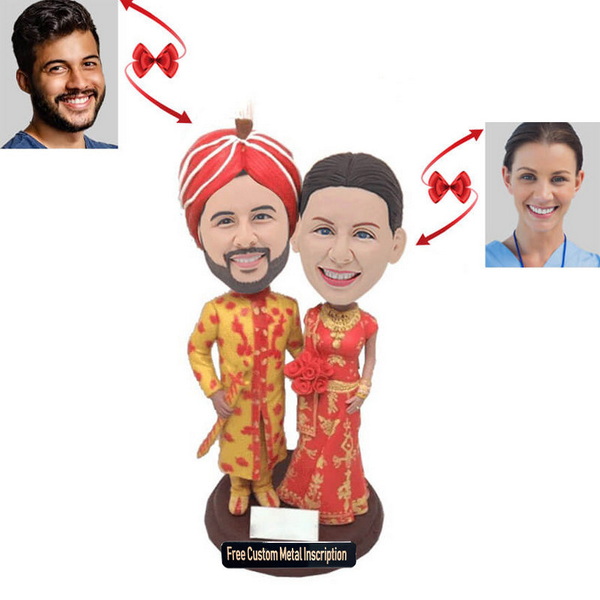
Most Indian Bobblehead products are made from resin or highgrade plastics. First, artists sculpt a master model, either by hand or digitally. This master is then used to create molds for the head and body.
After casting, pieces are trimmed, sanded, and primed, then painted with base colors and fine details. Finally, a spring or flexible connector attaches the head to the body, and the finished Bobblehead is mounted on a base that may feature text, logos, or decorative motifs.
Custom Indian Bobblehead services often operate in smaller workshops. Sculptors work from customer photos and instructions to capture facial features, clothing, and even brand elements for corporate orders.
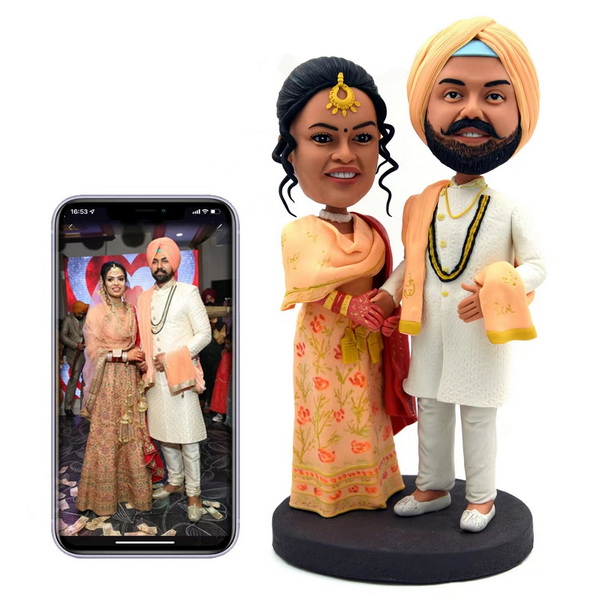
Smallbatch runs allow for highly specific Indian Bobblehead themes, such as wedding couples in regional attire, corporate award Bobblehead trophies, or limited festival editions. This flexibility makes the Indian Bobblehead a strong option for personalized gifting and branding.
Indian Bobblehead figures make memorable personal gifts because they can be tailored to the recipient's identity and interests. A custom Indian Bobblehead that looks like the person in wedding clothes, work attire, or traditional dress feels more meaningful than a generic present.
Families also enjoy buying deity Bobblehead figures, couple Bobblehead dolls, or generational sets—grandparents, parents, and children represented as Indian Bobblehead characters. These sets become longlasting keepsakes displayed in living rooms or study areas.
Companies use Indian Bobblehead designs as promotional items, representing mascots, founders, or stylized employees. A branded Indian Bobblehead on a client's desk can repeatedly remind them of a company's message in a friendly way.
Because a Bobblehead is both an object and a character, it often has more staying power than standard corporate gifts like pens or keychains. The nodding motion keeps the brand visible and creates a small emotional connection with the owner.
International collectors seek Indian Bobblehead figures for their unique mix of cultural symbolism and humor. A traveler may purchase an Indian deity Bobblehead as a spiritual souvenir or a Bollywood Bobblehead as a reminder of Indian cinema.
Collectors who specialize in world Bobblehead dolls enjoy the contrast between Indian Bobblehead designs and sports or political Bobblehead figures from other countries. Indian Bobblehead dolls add color, pattern, and new character archetypes to global collections.
Ecommerce platforms and directtoconsumer websites make it easy for Indian Bobblehead makers to serve overseas customers. Small manufacturers can list Indian Bobblehead items with international shipping options, and social media helps promote these designs to niche fan communities.
This digital reach turns the Indian Bobblehead into a quietly global product. A design created in an Indian workshop might end up on a shelf in Europe, North America, or the Middle East, spreading awareness of Indian stories through Bobblehead form.
Indian Bobblehead figures stand out because they sit at the crossroads of tradition and modernity. They borrow from centuriesold figurine practices while using contemporary materials, caricature styles, and popculture references.
They also serve multiple roles at once: devotional symbol, sports memorabilia, film merchandise, office humor, and personalized portrait. Few other products can move so easily between spiritual, casual, and corporate spaces while retaining the same basic Bobblehead format.
The question “Why Indian Bobblehead?” has many answers, but they all point to the same idea: Indian Bobblehead figures turn culture into character. From deities and cricket stars to Bollywood icons and everyday workers, Indian Bobblehead designs capture India's diversity in a small, nodding body and an expressive head. They can be devotional, funny, aspirational, or sentimental, depending on the theme and context.
As production techniques, customization services, and global distribution channels expand, the Indian Bobblehead continues to grow as both a local favorite and an international collectible. Whether on a dashboard in Mumbai or a desk in another country, an Indian Bobblehead keeps offering the same gentle, constant nod—a simple movement that expresses pride, connection, and joy.
Indian Bobblehead figures are different because they reflect specific Indian themes such as deities, regional clothing, cricket, and Bollywood rather than generic Western characters. Their colors, patterns, and facial features are designed to evoke Indian identities. This cultural grounding gives Indian Bobblehead dolls a distinct personality on any shelf.
Many people comfortably place deity Bobblehead figures on car dashboards or office tables as a modern devotional symbol. Others prefer more traditional idols only at home or in shrines. Whether an Indian deity Bobblehead is appropriate depends on personal beliefs and local customs, so it is wise to consider the expectations of family, colleagues, or community.
Yes. Many manufacturers offer custom Indian Bobblehead services where you can send photos and specify outfits, accessories, and poses. The result is a personalized Bobblehead that reflects your face and style, perhaps in wedding attire, professional clothing, or traditional regional dress. These custom Indian Bobblehead gifts are popular for weddings, anniversaries, and corporate awards.
To choose a quality Indian Bobblehead, look at the sculpting detail, painting consistency, and stability of the spring mechanism. Clean lines, accurate clothing details, and a smooth, controlled wobble indicate better workmanship. Strong bases and nonfading colors also suggest that the Indian Bobblehead will remain attractive over time.
Some Indian Bobblehead figures, especially limited editions, wellknown celebrity designs, or highquality custom pieces, can develop collectible value over time. However, most buyers choose Indian Bobblehead dolls for emotional connection rather than investment. The main value lies in their ability to represent culture, memories, and humor in a playful nodding form.


