
Views: 222 Author: Mia Publish Time: 2026-01-18 Origin: Site
Content Menu
● What Is A Talking Bobblehead?
● Planning Your Talking Bobblehead Project
● Choosing Sound Modules And Components
● Preparing Or Building The Bobblehead Body
● Installing The Sound Module Inside The Bobblehead
● Recording And Programming The Voice
● Testing And Troubleshooting Your Talking Bobblehead
● Ordering A Professional Talking Bobblehead
● FAQ
>> 1. How long can a talking Bobblehead message be?
>> 2. Can I change the message later on my talking Bobblehead?
>> 3. How loud can a talking Bobblehead be?
>> 4. Is it difficult to add sound to an existing Bobblehead?
>> 5. How much does a professional talking Bobblehead cost?
A talking Bobblehead combines the classic wobbling head with a hidden sound module that plays custom messages or sound effects when triggered. With a simple Bobblehead figure, a small speaker, and a recordable sound chip, you can create a talking Bobblehead that greets, jokes, or sings whenever someone taps or presses it.

A talking Bobblehead is a figurine with an oversized springmounted head plus an internal audio system that plays recorded sound on demand. The sound hardware is usually hidden in the Bobblehead base or torso and activated by a button, squeeze, or motion sensor.
Typical features of a talking Bobblehead include:
- Oversized, wobbling Bobblehead head sculpted like a real person, mascot, or character.
- Recordable sound module with small speaker and battery inside the Bobblehead base.
- Trigger method such as a pushbutton, squeeze switch, or tilt sensor that starts playback.
Good planning ensures your talking Bobblehead looks right, sounds clear, and fits the electronics without problems. Decide early whether you will modify an existing Bobblehead or build a new Bobblehead from scratch.
Key planning decisions:
- Purpose: gift, promotion, collectible, or joke Bobblehead for personal use.
- Subject: real person, pet, mascot, or brand character Bobblehead.
- Message: short greeting, catchphrase, sound effect, or music clip for the Bobblehead.
- Build method: DIY sculpted or 3Dprinted Bobblehead versus custom Bobblehead ordered from a manufacturer with voice options.
Space and hardware considerations:
- Confirm that the Bobblehead base is deep enough to fit a sound module, batteries, and speaker.
- Decide where the trigger should be located so users can easily activate the Bobblehead without seeing the electronics.
- Consider how often the Bobblehead will be used; more frequent use may need a larger battery or accessible battery compartment.
The sound module is the core of a talking Bobblehead, handling recording, storage, and playback of audio. Many recordable toy sound modules are small enough to fit inside Bobblehead bases and are designed for DIY use.
Common sound module types for Bobbleheads:
- Onebutton recordable modules: record a message by holding a button, then press to play.
- USBprogrammable MP3/WAV modules: draganddrop audio files from a computer to the Bobblehead board.
- Longduration modules: support up to 1–2 minutes or more of sound for longer Bobblehead messages or music.
Basic components you will need:
- Recordable sound module board with builtin memory and control logic.
- Small 8 Ω speaker sized to fit inside the Bobblehead base with enough volume for the environment.
- Battery holder and batteries (coin cells, AAA, or AA, depending on the module).
- Trigger: pushbutton, slide switch, squeeze switch, reed switch, or tilt sensor for the Bobblehead.
Selection tips:
- Check the physical dimensions of the sound board and speaker to make sure they fit under or inside your Bobblehead.
- Match recording length to your planned Bobblehead script; short greetings can use 10–20 second modules, songs or long jokes need more time.
- Look for modules marketed for toys, greeting cards, or crafts; these are typically robust enough for a talking Bobblehead.
You can either start from a premade Bobblehead or create one yourself from clay, resin, or a 3D print. In both cases, you need a hollow base or cavity where the talking Bobblehead electronics can be installed.
Option 1: Modifying an existing Bobblehead
- Choose a Bobblehead with a reasonably large base, ideally hollow plastic or resin rather than solid ceramic.
- Carefully drill or cut an opening in the underside of the Bobblehead base to access interior space.
- If the base is filled with plaster or resin, remove enough material to create a cavity for the sound module without weakening the Bobblehead.
Option 2: Building a new Bobblehead
- Sculpt the Bobblehead head and body in polymer clay or create a 3D model for printing, leaving space in the lower body or base.
- Design the Bobblehead model with an internal hollow and a removable plug or panel under the base.
- Ensure the neck spring and Bobblehead wobble mechanism remain independent of the electronics cavity.
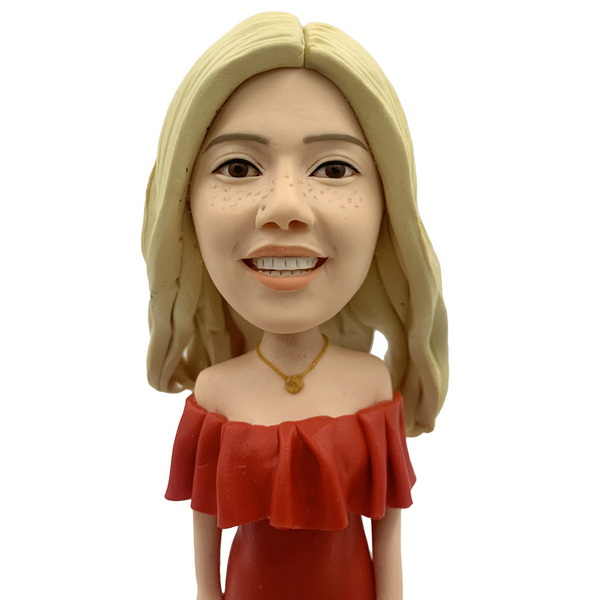
Once the structure is ready, install the sound module inside the Bobblehead base and connect the speaker, power, and trigger. Clean, secure installation ensures your talking Bobblehead works reliably and does not rattle.
Basic installation steps:
- Bench test the module: connect speaker and batteries, record or load a test message, and confirm playback before putting it inside the Bobblehead.
- Plan the layout: position the sound board, speaker, and battery so they fit without interfering with the Bobblehead spring or base stability.
- Mount the speaker close to small holes or a grille in the Bobblehead base to allow sound to escape clearly.
Securing components:
- Use hot glue, foam tape, or plastic brackets to fix the sound board in place so it does not move when the Bobblehead wobbles.
- Glue or screw the speaker into a recess, keeping its cone unobstructed.
- Bundle and route wires neatly along the inside walls of the Bobblehead base to avoid tangling with the spring or moving parts.
Trigger placement:
- Front pushbutton: accessible on the Bobblehead base front for visitors to press.
- Underside button: hidden under the Bobblehead so only the owner triggers it.
- Squeeze or tilt trigger: placed where a squeeze or wobble of the Bobblehead activates sound automatically.
The recorded message is what makes a talking Bobblehead feel personal and entertaining. Depending on the module, you can record directly or upload edited audio files for the Bobblehead.
Recording options:
- Onboard recording: hold the record button, speak into the microphone, then release and press play on the Bobblehead.
- Computer recording: record with a microphone into audio software, edit the file, then draganddrop MP3 or WAV into a USBprogrammable sound board.
- Professional voiceover: use a hired voice actor or studio to create polished Bobblehead messages for brands or highend gifts.
Tips for clear Bobblehead audio:
- Record in a quiet room and keep your mouth a consistent distance from the mic to avoid volume jumps.
- Aim for short, punchy Bobblehead lines; most modules sound best with brief messages or sound effects rather than long speeches.
- Normalize volume and reduce background noise in audio software before loading it into the Bobblehead module.
Creative ideas for talking Bobblehead messages:
- Personalized greetings, birthday wishes, or congratulations.
- Signature phrases, jokes, or “boss quotes” for office Bobbleheads.
- Team chants, short theme songs, or sound effects like applause for fan and mascot Bobbleheads.
Before sealing the base, thoroughly test the talking Bobblehead to ensure sound quality, trigger reliability, and wobble motion all work well together.
Testing checklist:
- Playback: confirm the Bobblehead audio is loud enough and free from distortion or clipping.
- Trigger: test the button or sensor multiple times to ensure consistent activation and no stuck switches.
- Wobble: gently tap the Bobblehead head and make sure movement does not loosen wires or shift internal parts.
- Battery: check that the module works after several dozen plays, and consider easy access for future battery replacement.
Common issues and fixes:
- Sound too quiet: create more or larger vent holes near the speaker, increase recording level, or use a slightly bigger speaker if the Bobblehead base allows.
- Hiss or noise: rerecord in a quieter environment or use noise reduction in editing.
- No playback: doublecheck wiring polarity, battery charge, and that the Bobblehead trigger contacts are correctly soldered or connected.
If you prefer not to build electronics yourself, many manufacturers offer custom Bobblehead services that include voice features. You provide photos and a script, and they deliver a complete talking Bobblehead.
Typical ordering process:
- Choose size, body style, and pose for the custom Bobblehead from an online catalog.
- Upload photos of the person or character and provide text or audio for the Bobblehead voice message.
- Approve digital proofs or sculpt photos of the Bobblehead before production.
- The manufacturer integrates a sound chip, speaker, and trigger into the Bobblehead base and ships the finished product.
Pros of professional talking Bobbleheads:
- Polished sculpting and painting quality, often based on 3D modeling and experienced artists.
- Tested audio integration and longerlasting Bobblehead materials suitable for gifts and collectors.
- Ability to order multiple identical talking Bobbleheads for corporate campaigns or team gifts.
Creating a talking Bobblehead is a fun way to combine traditional wobbling figures with personalized audio that surprises and delights people. By planning the character and message, choosing a suitable sound module, preparing or building a Bobblehead body with room for electronics, installing and wiring the module, and carefully recording and testing the voice, you can build a talking Bobblehead that feels truly unique. Whether you DIY the electronics or work with a professional manufacturer, a custom talking Bobblehead becomes an interactive minicharacter that nods, speaks, and adds personality to desks, displays, and promotions.
Contact us to get more information!
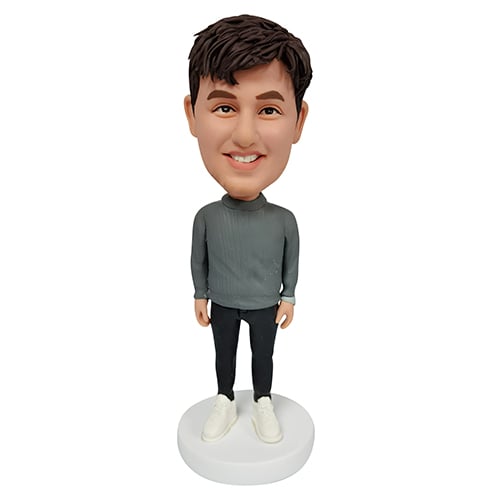
Most recordable toy sound modules for talking Bobbleheads support between 10 and 30 seconds of audio, which is enough for a greeting or short joke. Longer messages or music clips require highercapacity modules, some of which can store up to 1–2 minutes of sound for a Bobblehead.
If your talking Bobblehead uses a rerecordable or USBprogrammable module, you can update the message by recording over it or copying a new file to the board. Preprogrammed fixedaudio Bobbleheads, especially massproduced ones, usually cannot be changed after manufacturing.
A talking Bobblehead is usually designed for closerange listening on a desk or shelf, so volume is modest but clear. To maximize loudness, use an appropriately sized speaker, provide vent holes in the base, and ensure the recording level is strong without distortion.
Adding sound to an existing Bobblehead is manageable if the base is large enough to hollow out safely and you are comfortable with basic drilling and gluing. The main challenges are creating space for the module, hiding wires, and maintaining the Bobblehead's stability and wobble.
Custom professional Bobblehead figures with voice are more expensive than standard models because of additional electronics and labor. Prices vary by size and complexity, but voiceenabled custom Bobbleheads typically cost significantly more per piece than silent versions, especially for small order quantities.


